2026 Best Folded Packaging Innovations and Trends to Watch?
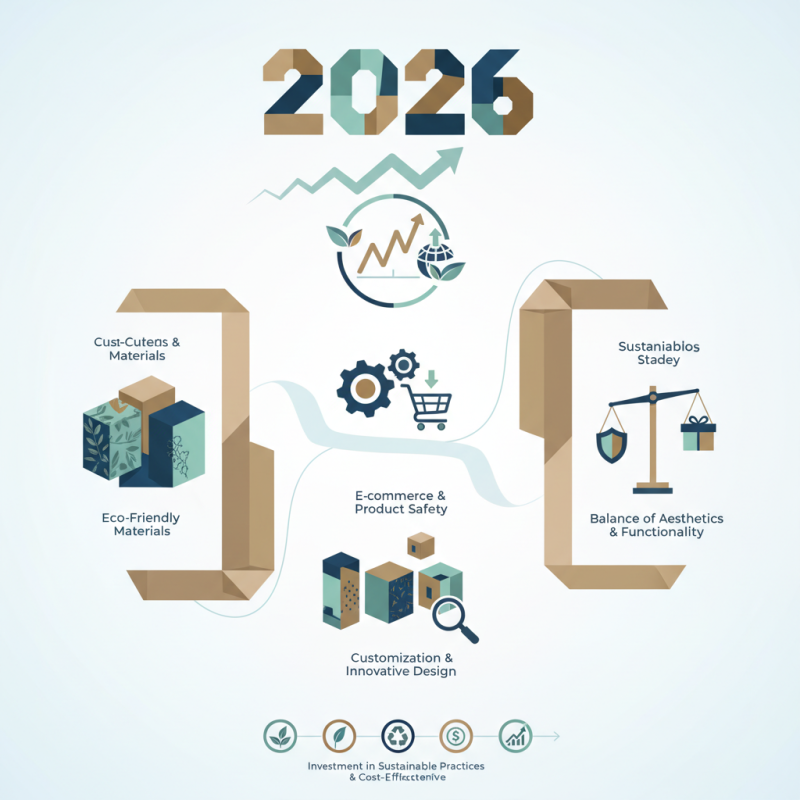
The folded packaging sector is evolving rapidly, driven by changing consumer preferences and sustainability concerns. A recent industry report indicates that the global folded packaging market is projected to reach $232.6 billion by 2026, growing at a CAGR of 4.5% from 2021. This growth reflects the increasing demand for eco-friendly materials and innovative designs that attract consumers. The rise of e-commerce also accentuates the need for robust folded packaging solutions that ensure product safety during transport.
As brands strive for differentiation, innovative folded packaging designs are becoming key to capturing consumer attention. Customization and personalization are significant trends, allowing products to stand out on the shelf. However, not all innovations lead to success. The balance between aesthetics and functionality remains a challenge for many companies. While striking designs can enhance brand perception, they must also provide adequate protection and be cost-effective.
Investing in sustainable folded packaging is not just a trend; it is a necessity. The demand for recyclable and biodegradable materials is increasing. However, companies must remain mindful of the trade-offs between cost and sustainability. This industry is on the cusp of exciting transformations. Observing the trends in folded packaging will be crucial for businesses to stay competitive in a rapidly changing market.
Key Features of Innovative Folded Packaging Designs in 2026
In 2026, innovative folded packaging designs will prioritize sustainability and functionality. According to recent industry reports, over 75% of consumers now prefer eco-friendly packaging options. This shift reflects a demand for materials that are recyclable, biodegradable, or made from renewable sources. Minimalist designs will reduce material use, aligning with this environmental consciousness.
One key feature will be smart packaging technology. This includes QR codes and NFC chips, allowing consumers to access product information instantly. Up to 40% of brands are expected to integrate these technologies in their packaging by 2026. This innovation enhances user experience and provides manufacturers with valuable data on customer preferences.
However, challenges remain. Not all innovations can guarantee a reduction in waste. Some complex designs may hinder recycling processes. The balance between creativity and practicality must be carefully managed. As the industry evolves, continuous reflection on these aspects will be essential for driving meaningful change in folded packaging design.
Sustainable Materials Transforming the Folded Packaging Industry
The folded packaging industry is undergoing a significant shift due to sustainable materials. Innovations in biodegradable plastics and recycled paper are leading the way. Brands are prioritizing eco-friendly options, aiming to reduce their carbon footprint. This shift not only caters to consumer demand but also addresses environmental concerns.
On the manufacturing side, challenges remain. Sourcing sustainable materials can be complex and costly. Some manufacturers face supply chain issues, making it hard to maintain consistency. This reflects the ongoing need for improvement in material sourcing and production methods. Additionally, there is a learning curve in adopting new technologies.
Despite these challenges, the benefits are clear. Consumers are becoming more aware and prefer brands that showcase their commitment to sustainability. This trend will likely shape the future of folded packaging. As the industry evolves, it is crucial to keep exploring new innovations. Embracing sustainable materials is not just a trend; it is a necessity for long-term viability.
Emerging Technologies Driving Efficiency in Folded Packaging Production
The landscape of folded packaging is rapidly evolving. Emerging technologies are shaping production efficiency in significant ways. Automation and AI are streamlining processes, reducing human error, and improving turnaround times. These advancements allow for swift adjustments in design and production, catering to diverse market needs.
Sustainability is another key trend. Eco-friendly materials are gaining traction, demanding innovative solutions. Consumers increasingly prefer packages that are biodegradable or recyclable. However, sourcing these materials can present challenges. Balancing sustainability with cost-effectiveness remains an ongoing debate within the industry.
Lastly, digital printing technology is transforming customization. It enables production runs that can accommodate fluctuating demands. Yet, the equipment can be costly, posing barriers for small producers. Overcoming these hurdles requires creativity and strategic investment, driving the conversation towards practical yet progressive solutions in folded packaging.
2026 Best Folded Packaging Innovations and Trends to Watch - Emerging Technologies Driving Efficiency in Folded Packaging Production
| Innovation/Trend |
Description |
Impact on Efficiency |
Sustainability Aspect |
| Digital Printing Technologies |
Utilizing advanced digital printing methods for higher quality and customization of packaging. |
Reduces lead times and waste in traditional printing processes. |
Enables on-demand printing, minimizing material usage. |
| Smart Packaging Solutions |
Integration of sensors and QR codes to provide real-time information and interactivity. |
Enhances supply chain visibility and customer engagement. |
Promotes recycling through app-based information on disposal. |
| Biodegradable Materials |
Introduction of packaging materials that decompose naturally. |
Reduces the overall environmental footprint of packaging production. |
Supports sustainable practices and reduces landfill contribution. |
| Automated Packaging Solutions |
Robotic efficiency in packing goods to speed up production lines. |
Increases throughput and reduces labor costs. |
Improves energy efficiency in the manufacturing process. |
| Creative Folding Techniques |
Innovative designs that enhance usability and aesthetic appeal. |
Optimizes material usage and can reduce packaging size. |
Maximizes shelf space and reduces material waste. |
Consumer Preferences Shaping Folded Packaging Trends in 2026
As we look toward 2026, consumer preferences are reshaping folded packaging trends. Sustainable materials are more than a trend; they are a necessity. Many consumers want packaging made from recycled or biodegradable substances. This reflects a growing awareness and demand for eco-friendly solutions.
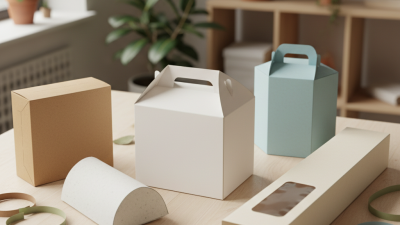
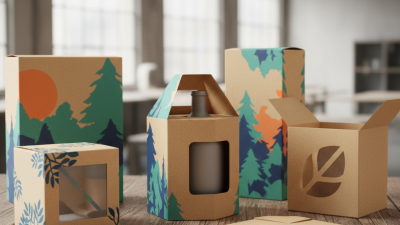
Design is another crucial factor influencing consumer choices. Shoppers increasingly gravitate toward bold colors and unique shapes. These elements not only make products stand out but also enhance the unboxing experience. However, companies must find a balance between aesthetics and functionality. Miscalculating this can lead to waste or unsatisfactory user experiences.
Personalization is gaining traction as well. Consumers appreciate packaging that feels tailored to them. A simple message or special design can create a more profound connection. However, brands must consider production costs. Financial constraints can limit their ability to innovate. Reflecting on these challenges can help businesses align their strategies with consumer expectations effectively.
2026 Best Folded Packaging Innovations and Trends