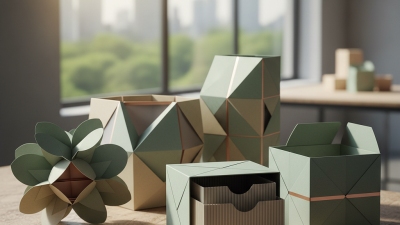
What are the Best Empty Boxes for Packing Your Products?
Choosing the right empty boxes for packing your products can significantly impact your business. Packaging expert Jane Smith emphasizes, “Quality boxes not only protect products but also enhance brand image.” This insight highlights the importance of selecting the right empty boxes for packing.
When considering empty boxes for packing, think about durability and size. Some options may look appealing but might not provide adequate protection. Many businesses overlook the importance of testing box strength before making a bulk purchase. A box that fails during shipping can harm your reputation and lead to financial loss.
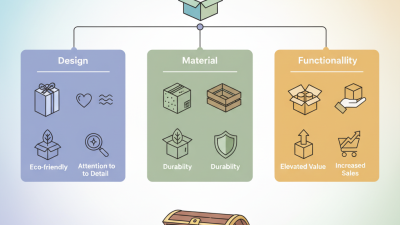
Additionally, consider the sustainability of your choice. Eco-friendly boxes are increasingly in demand. They not only attract environmentally conscious customers but also reduce your carbon footprint. Reflecting on your decision can lead to better choices. Investigate various materials and designs carefully. Doing so can elevate your packaging strategy significantly.
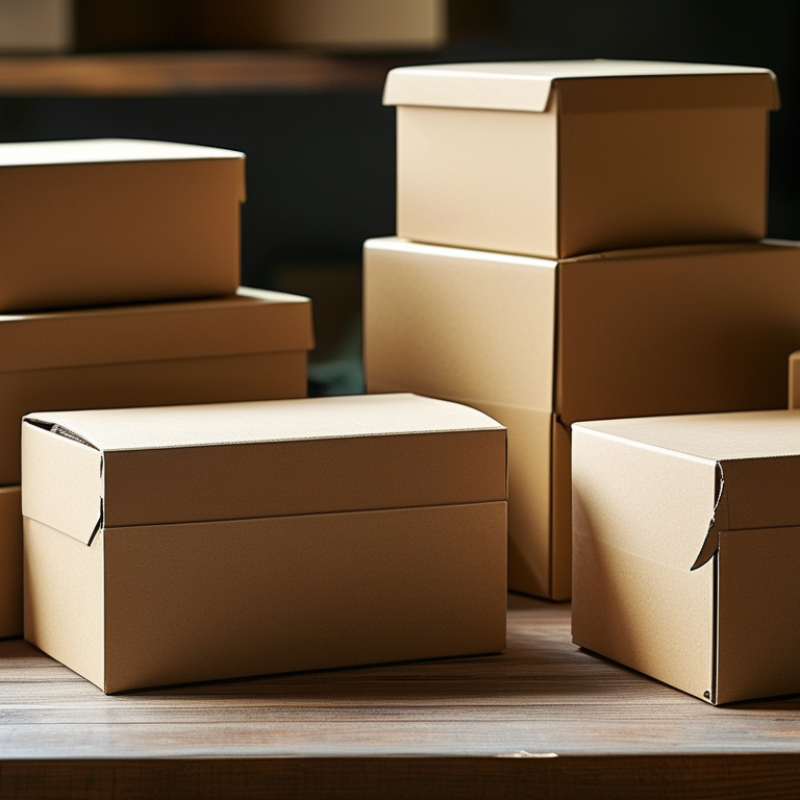
Understanding the Importance of Choosing the Right Packing Boxes
Choosing the right packing boxes is crucial for any business. It affects shipping costs, product safety, and customer satisfaction. Poor box choices can lead to damaged goods. This can result in financial losses and upset customers. Understanding the materials and sizes is essential. Each product has unique requirements.
Materials vary significantly from cardboard to plastic and foam. Cardboard is lightweight and cost-effective. However, it may not provide enough protection for fragile items. On the other hand, plastic boxes are durable but can be more expensive. Weighing the pros and cons is necessary. Sometimes, businesses stick with what they know, leading to missed opportunities for improvement.
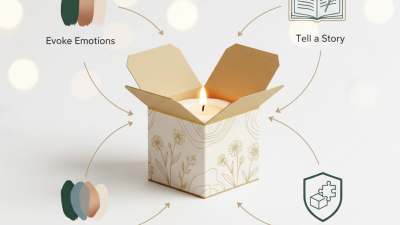
Visualizing the unboxing experience adds another layer to this decision. A well-chosen box enhances customer delight. An ill-fitting or unattractive box may disappoint. Reflections on past shipping experiences can guide choices. Gathering feedback from customers may expose flaws. Are your packing boxes aligning with the brand image? Striving for improvement in packing strategies can yield significant benefits.
Types of Empty Boxes Suitable for Various Products
When selecting empty boxes for packing products, various types cater to different needs.
Corrugated boxes are commonly used due to their strength and durability.
According to the Packaging Industry Association, 75% of products are shipped in some form of cardboard.
This is due to their ability to protect items during transit. They come in various sizes, making them versatile for many products.
Another option is plastic boxes, which are gaining popularity. They are reusable, making them an eco-friendly choice.
A recent report by the Plastic Packaging Association indicated that the market for sustainable packaging is expected to grow by 25% in the next five years.
These boxes are also waterproof and resistant to chemicals, making them suitable for food and pharmaceuticals.
However, it's essential to consider the impact of packing materials on the product and the environment.
Not all boxes fit every product perfectly. For instance, oversizing can lead to damage during transit or extra costs.
Assessing specific needs ensures better packing efficiency. Packaging may seem straightforward, but the wrong choice can lead to product loss and dissatisfied customers.
Make informed decisions to enhance your packing strategy.
Factors to Consider When Selecting Packing Boxes
When choosing packing boxes, it's essential to consider durability.
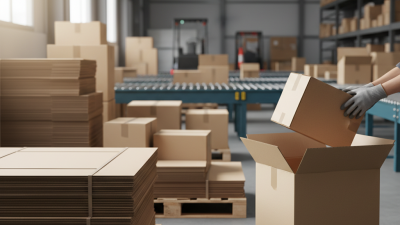
The right box should withstand various handling conditions during transport. Look for materials like corrugated cardboard or double-walled options for added strength. This ensures your products remain safe and secure.
Another factor is size. Boxes should fit your products snugly, reducing movement. A box that's too large risks damaging items through shifting. Conversely, a box that's too small can crush your products. Always measure items carefully before picking a box.
Lastly, think about the environment. Eco-friendly packaging is becoming increasingly important. Many consumers now prefer brands that prioritize sustainability. Make sure to explore biodegradable or recyclable options. This consideration can boost your brand's reputation and appeal to eco-conscious shoppers.
Top Brands and Manufacturers for Quality Empty Boxes
When choosing empty boxes for packing products, quality is essential. Several manufacturers are known for their reliable boxes. These brands prioritize durable materials and effective design. They understand the importance of keeping products safe during shipping and storage.
Many top brands offer a variety of box sizes and styles. Some specialize in eco-friendly options, while others focus on custom designs. Research shows consumers prefer brands that demonstrate environmental responsibility. Choosing a brand that aligns with these values can enhance your product's appeal.
Even reputable manufacturers may have issues. It’s important to check reviews and feedback. Look for signs of potential problems, such as delivery delays or inconsistent box quality. Test samples when possible. Reflect on your specific needs before making a decision. Quality empty boxes serve as a foundation for good business practices.
What are the Best Empty Boxes for Packing Your Products? - Top Brands and Manufacturers for Quality Empty Boxes
| Box Type |
Material |
Dimensions (L x W x H) |
Weight Capacity |
Eco-Friendly Options |
| Corrugated Box |
Kraft Paper |
12 x 10 x 8 inches |
30 lbs |
Yes |
| Shipping Box |
Cardboard |
16 x 12 x 12 inches |
50 lbs |
No |
| Folding Box |
Recycled Paper |
10 x 10 x 6 inches |
15 lbs |
Yes |
| Plastic Box |
Polyethylene |
14 x 8 x 6 inches |
25 lbs |
No |
| Care Package Box |
Cardboard |
18 x 14 x 10 inches |
40 lbs |
Yes |
Tips for Efficiently Organizing and Storing Empty Boxes
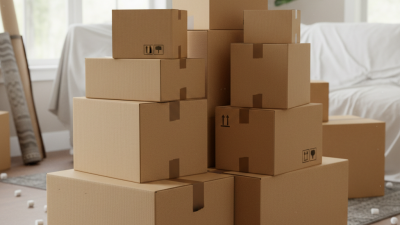
When organizing and storing empty boxes, efficiency is key. Start by assessing your space. Measure the areas where you plan to store the boxes. This will help you determine the size and type of boxes that best fit. Use boxes of similar dimensions to create a more organized appearance. Stacking them can save space and make retrieval easier.
Label each box clearly. This small step can save you time in the long run. Make sure the labels are visible from the outside. Consider color coding for different categories, such as fragile items or seasonal products. However, not every box needs a label. Sometimes, it’s okay to leave a few empty boxes as a ‘catch-all’ for unexpected items.
Lastly, evaluate your box collection periodically. Some boxes may take up space unnecessarily. Reflect on which boxes genuinely serve a purpose. Empty boxes may accumulate quickly. Set aside time every few months to sort through them. Letting go of boxes that no longer meet your needs can enhance your storage efficiency.