10 Best Foldable Paper Box Designs for Your Packaging Needs?
The demand for sustainable packaging solutions has surged in recent years. Foldable paper boxes have emerged as a key player in this market. According to a recent study by Smithers Pira, the global market for paper packaging is expected to reach $500 billion by 2026. This growth highlights the importance of innovative designs that meet both aesthetic and functional requirements.
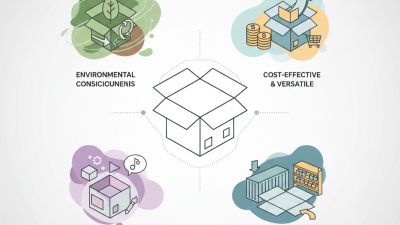
Foldable paper boxes offer versatility and convenience. They are lightweight, easy to store, and cost-effective. In addition, brands are increasingly recognizing the environmental benefits. Paper packaging is recyclable and biodegradable, appealing to eco-conscious consumers. The right design can enhance brand image and improve user experience. However, not all designs meet these standards. Several brands still struggle with structural integrity and visual appeal.
This article explores the ten best foldable paper box designs for various packaging needs. These designs balance functionality with style, and are crafted to meet diverse market demands. Addressing the need for improvement and innovation in this segment is crucial. Brands can learn from successful examples to refine their packaging strategies. Embracing effective designs might just be the key to staying competitive in today's market.
The Importance of Foldable Paper Boxes in Modern Packaging Solutions
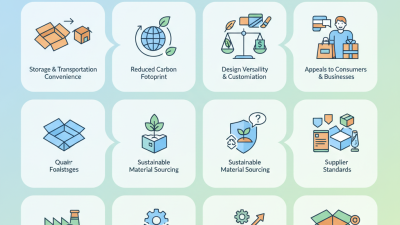
Foldable paper boxes have become essential in modern packaging solutions. Their versatility allows businesses to adapt to various needs. These boxes are lightweight and easy to store. They save space and reduce shipping costs significantly. Their design also appeals to consumers. Attractive packaging enhances product appeal and brand recognition.
Sustainability is another key factor. Many companies seek eco-friendly materials. Foldable paper boxes can be made from recycled paper. This choice resonates with environmentally conscious consumers. However, not all solutions prioritize sustainability. Some options still fall short of eco-friendly standards. Businesses must carefully consider their choices.
Customization plays a vital role in brand identity. Foldable boxes can be tailored to distinct sizes and graphics. This flexibility allows brands to showcase their unique attributes. However, over-customization can lead to increased costs and longer lead times. It’s important to balance uniqueness with efficiency in production.
Key Factors Influencing the Design of Foldable Paper Boxes
When designing foldable paper boxes, several key factors significantly influence the final product. The choice of materials is crucial. According to a recent market report, approximately 70% of consumers prioritize eco-friendly materials. This growing concern for sustainability impacts design choices. Designers must find a balance between aesthetics and environmental responsibility, ensuring that the packaging is usable and recyclable.
Another essential factor is structural integrity. A well-constructed box must withstand handling and transport without compromising the contents. Research shows that about 30% of products are damaged during shipping. Thus, a strong design leads to cost savings and enhanced customer satisfaction. Additionally, the size and shape of the box can affect production efficiency. Optimizing dimensions can minimize material waste, aligning with both economic and environmental goals.
Lastly, branding is a critical consideration. Packaging serves as a marketing tool. The design should represent the brand's identity clearly. A study found that 60% of consumers are influenced by packaging aesthetics. While it's essential to create visually appealing boxes, designers should avoid overcomplicating designs that can confuse customers. Each element must serve a purpose, enhancing the user's experience while reflecting the brand's values.
10 Best Foldable Paper Box Designs for Your Packaging Needs
| Design Type |
Material Used |
Dimensions (cm) |
Weight Capacity (kg) |
Suitable For |
| Tuck End Box |
Kraft Paper |
20 x 10 x 5 |
5 |
Cosmetics |
| Auto-Lock Bottom Box |
Recycled Paper |
15 x 15 x 10 |
10 |
Food Packaging |
| Mailer Box |
Double Wall Cardboard |
30 x 20 x 10 |
15 |
E-commerce |
| Foldable Gift Box |
Paperboard |
12 x 12 x 8 |
3 |
Gifts |
| Rigid Box |
Chipboard |
25 x 15 x 10 |
20 |
Luxury Items |
| Pillow Box |
Lightweight Cardstock |
22 x 10 x 8 |
4 |
Party Favors |
| Candle Box |
Eco-Friendly Paper |
15 x 15 x 15 |
6 |
Candles |
| Takeout Box |
Brown Paper |
18 x 10 x 7 |
5 |
Restaurants |
| Display Box |
Cardstock |
20 x 10 x 12 |
8 |
Retail Products |
| Book Style Box |
Laminated Paper |
20 x 25 x 5 |
12 |
Books |
Sustainability Trends: Eco-Friendly Materials in Box Production
The trend toward eco-friendly materials in box production has gained traction. According to a recent report by Smithers Pira, the global market for sustainable packaging is projected to reach $500 billion by 2027. Many companies are shifting to biodegradable and recycled materials to reduce their environmental footprint. This shift not only meets consumer demand but also promotes brand loyalty.
When choosing materials, consider the source. For instance, paper from responsibly managed forests can significantly reduce carbon impact. An estimated 70% of consumers prefer brands that use sustainable packaging. Look for options made from post-consumer recycled fibers or plastics derived from plant products.
Here are some essential tips for packaging design: prioritize minimalism to use fewer resources. Incorporating modular designs can also enhance space efficiency. Test prototypes before mass production to identify any issues early. This iterative process can help prevent waste and improve overall design. Sustainability is a journey, not a destination, and every small step contributes to a larger impact.
Top Industries Utilizing Foldable Paper Box Designs and Their Benefits
Foldable paper boxes have become a staple in various industries. They offer flexibility and convenience in packaging. Companies in food, cosmetics, and electronics are utilizing these designs. The benefits of foldable paper boxes are significant. They save space during storage and shipping. Additionally, they are often recyclable, appealing to eco-conscious consumers.
In the food industry, foldable boxes help maintain freshness. Bakeries and restaurants use them for takeout. Their designs are versatile, accommodating different food items. However, businesses should ensure these boxes can handle moisture. A poor choice could lead to soggy products and customer complaints. Testing the materials is essential.
For cosmetic brands, attractive packaging is crucial. Foldable paper boxes can be customized with eye-catching prints. They enhance product presentation and brand image. However, some designs can be complex and challenging for consumers to open. Simplifying the user experience should be a priority. Providing clear instructions can mitigate frustration.
When choosing foldable paper boxes, consider your product's nature. Lightweight items may need different designs than heavier ones. Also, assess the delivery process. Packaging must withstand transit conditions. Investing in quality materials will lead to better customer satisfaction and fewer returns.
Case Studies on Successful Implementations of Foldable Packaging Design
The success of foldable packaging design is evident in various case studies within the industry. For instance, a recent report revealed that brands utilizing such designs noted a 20% increase in customer satisfaction. This is attributed to the convenience and eco-friendliness of foldable boxes. Brands often cite how these designs reduce storage space and shipping costs. However, challenges persist in balancing structural integrity with aesthetic appeal, prompting a need for continuous improvement.
In another case, a notable beverage company adopted foldable packaging for their new product line. They reported a 30% decrease in packaging waste. The foldable design allowed for easy recycling and optimized shelf space. Despite the success, they faced challenges in achieving the optimal thickness of the material. This reflects the ongoing struggle between sustainability and durability. Such experiences underline the necessity for innovation in foldable box design. Continuous feedback from consumers can guide future enhancements.
As companies explore foldable packaging, they must consider the broader impact. A study revealed that consumers are increasingly aware of packaging's environmental footprint. This awareness leads to a preference for more sustainable options. However, creating a foldable box design that stands out while being sustainable is not an easy task. Brands must constantly adapt and refine their designs based on market feedback and performance metrics to meet ongoing consumer demands.
Analysis of Popular Foldable Paper Box Designs
This chart represents the popularity rating of various foldable paper box designs based on their features. Each design is rated on a scale from 1 to 10, showcasing their appeal in packaging needs.