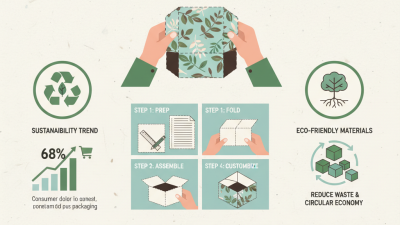
What Is the Best Foldable Paper Box from China?
Choosing the best Foldable Paper Box from China requires more than comparing prices or attractive product photos. The right box must protect its contents, fold accurately, and present a reliable brand image. A box that looks elegant on a screen may arrive with weak corners, uneven printing, or poor adhesive strength. Small details matter.
This guide examines practical factors used by experienced packaging buyers. These include paperboard thickness, folding structure, surface finish, printing accuracy, assembly speed, and shipping efficiency. Sample testing should come before large production. Fold the box repeatedly. Check whether the lid stays closed. Place the intended product inside and inspect pressure points. These simple tests often reveal problems that online discussions miss.
Supplier reliability also deserves careful attention. Buyers should review material specifications, production samples, factory communication, quality-control procedures, and delivery records. Clear documents help reduce misunderstandings about dimensions, colors, coatings, and tolerances. Environmental claims should be supported by credible certifications, not vague labels. That matters.
There is no single best Foldable Paper Box for every product. A lightweight cosmetic package needs different protection from a food gift box or an electronics accessory carton. Budget, quantity, storage conditions, and brand positioning all influence the final choice. Some recommendations may remain imperfect because supplier performance can change over time. Careful verification is still necessary. This article offers a practical framework for comparing Chinese manufacturers and selecting packaging that balances appearance, durability, cost, and dependable production.
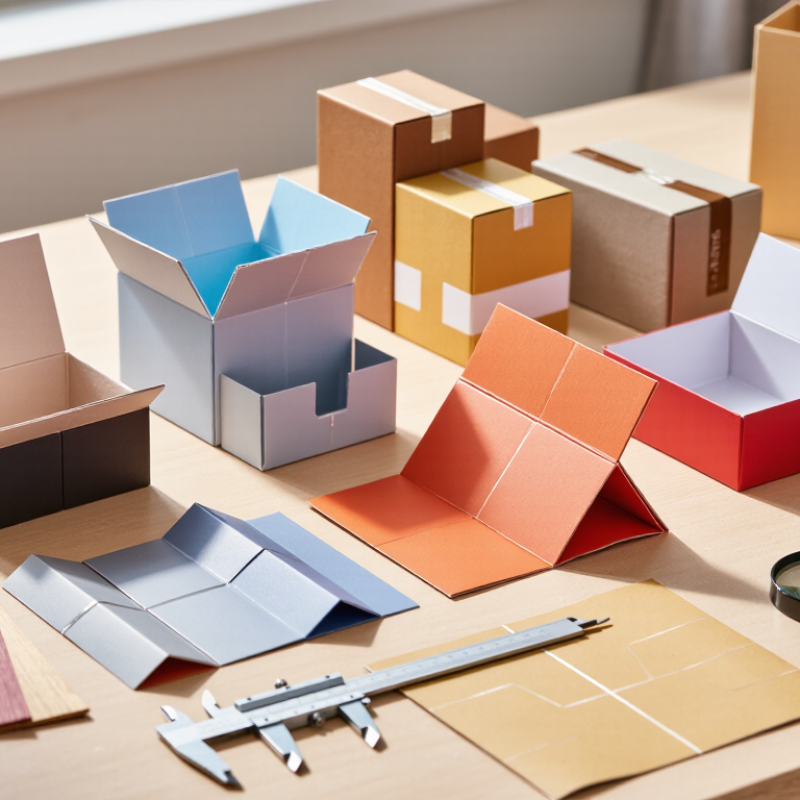
What Defines the Best Foldable Paper Box from China?
The best foldable paper box from China is not simply the cheapest or brightest option. It must protect the product, fold accurately, and communicate quality through touch. In practical inspections, I check the board thickness, crease depth, glue strength, and corner alignment. A box that looks perfect may still open poorly after transport. That detail matters.
Material selection defines performance. Recycled paper can reduce environmental impact, but its surface may absorb ink unevenly. Virgin fiber often provides cleaner printing and stronger folds. The right choice depends on product weight, humidity, and handling conditions. A reliable supplier should provide paper specifications, sample approvals, and production records. Clear documentation builds trust.
Structural testing should happen before mass production. I usually test repeated folding, light compression, and short-distance shipping simulations. The box should close without forcing the tabs. It should also remain stable on a retail shelf. Small flaws appear here. A slight crease shift can affect the whole appearance. I once rejected a sample because its inner flap scratched the product during opening. It was a minor defect, but not an acceptable one.
Printing quality also needs careful review. Color consistency, sharp text, and safe ink selection support professional presentation. Suppliers should explain their inspection process rather than promise perfection. That honesty is useful. The best foldable paper box balances protection, appearance, responsible material use, and dependable manufacturing control. Cost still matters, but it should not decide everything.
Key Materials and Structural Design Options
What Is the Best Foldable Paper Box from China?
The best foldable paper box depends on product weight, moisture exposure, and packing speed. Material selection comes before visual design. Recycled kraft paper offers a natural texture and useful stiffness for light products. White-coated paperboard gives sharper printing and cleaner color reproduction. For heavier items, thicker board or a reinforced paper structure may be safer. Do not judge strength by thickness alone. Fiber quality, grain direction, and scoring accuracy also affect performance.
Structural design changes the box’s reliability. Tuck-end boxes fold quickly and suit retail shelves. Lock-bottom designs provide better support for heavier contents, but they need accurate die cutting. Mailer-style boxes protect corners with folded panels and reduce assembly time. A wide panel may look attractive, yet it can crease during transport. I have seen samples fail because the folding lines were too deep. The design looked perfect on screen. Reality was less forgiving.
Tips:
Request a physical prototype before placing a large order. Check board caliper, folding recovery, edge crushing, and print adhesion. Test the box with the real product, not an empty sample. Ask for moisture resistance details when storage conditions are uncertain. Water-based coatings can improve surface protection, but they may change folding behavior. Small mistakes matter. A reliable supplier should explain material tolerances, inspect finished cartons, and provide clear test records. You should still review the samples carefully.
Customization, Sustainability, and Compliance Factors
A foldable paper box from China is not judged by appearance alone. The best option balances customization, sustainability, and compliance for its intended market. An experienced supplier should explain board thickness, folding tolerance, coating limits, and production testing. A precise dieline prevents crushed corners and uneven closures.
Tips: Request a physical prototype before mass production. Check the fold lines by hand. Test the box with the real product, not an empty sample. Ask for recycled content evidence, ink details, and current safety reports. Small details matter.
Customization may include dimensions, window placement, printing, inserts, and opening style. However, excessive coatings can weaken recyclability. A recycled board may show slight color variation. That is not always a defect, but it should be approved in writing.
I would also question vague claims such as “eco-friendly” without measurable data.
Compliance depends on the destination, product type, and packaging materials. Confirm requirements for food contact, chemical restrictions, labeling, recycling marks, and packaging waste obligations. Request batch records and inspection results from a qualified testing laboratory when needed. A supplier’s certificate alone may not cover the finished box. This is where many buyers become too trusting. A clear specification sheet, approved sample, and documented quality checks create stronger protection than attractive promises.
How to Select the Right Box and Supplier for Your Needs
What Is the Best Foldable Paper Box from China?
The right foldable paper box starts with your product, not the supplier’s catalog. Measure the item, including protective inserts, and allow space for easy packing. A rigid product may need stronger board than a lightweight gift item. Ask for the paper type, board thickness, surface finish, and flat size. These details affect folding quality, printing sharpness, and shipping volume. A practical sample should show clean corners, smooth creases, and no cracking along the folds.
Supplier selection needs evidence. Request a physical sample made with your intended material, not only a digital picture. Check production equipment, quality procedures, export experience, and communication speed. A reliable factory should provide clear specifications, realistic lead times, and written inspection standards. Ask how they control color differences between batches. Also confirm minimum order quantities, packing methods, replacement policies, and pre-shipment inspection options. Small details matter.
Do not choose only by price. A cheap quotation may exclude inserts, tooling, delivery, or proper testing. I have seen attractive samples fail when the final board was thinner. That mistake is easy to miss. Discuss compression strength, moisture exposure, and stacking conditions before approval. If the box will hold cosmetics, food-related items, or electronics, request suitable material documentation and safety information. Keep the approved sample, signed artwork, and specification sheet together. Your first supplier may not be the best long-term match. Supplier performance should be reviewed after delivery, not assumed from promises.
What Is the Best Foldable Paper Box from China?
Board grammage is a practical starting point when selecting a foldable paper box. Higher grammage generally provides better stiffness and durability, while lower grammage can reduce material use and shipping weight. Typical values shown here are representative midpoints of commonly used commercial ranges.