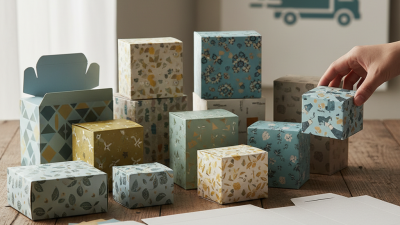
2026 Best Folding Paper Box Designs and Ideas for Creative Packaging
The packaging industry has witnessed significant evolution, and folding paper boxes have become a vital component. These boxes provide an eco-friendly solution that balances aesthetics with functionality. According to a recent report by Smithers Pira, the global paperboard packaging market is expected to reach $250 billion by 2025, highlighting the growing importance of innovative designs in meeting consumer demands.
Renowned packaging expert Dr. Emily Carter emphasizes, “Creative folding paper box designs can transform the unboxing experience and boost brand recognition.” Her insight underlines the pivotal role that design plays in consumer engagement. As brands strive for sustainable practices, folding paper boxes are increasingly favored for their recyclability and versatility. The challenge remains in harmonizing creativity with practicality, as not every design meets functional requirements.
However, the pursuit of the perfect folding paper box is fraught with challenges. Many designs may look appealing but fail in structure or ease of use. Critical reflection on design effectiveness is essential. This article explores the 2026 best folding paper box designs and ideas that fine-tune creativity and ensure reliability, paving the way for effective packaging solutions in the coming years.

Overview of Folding Paper Box Designs in Modern Packaging
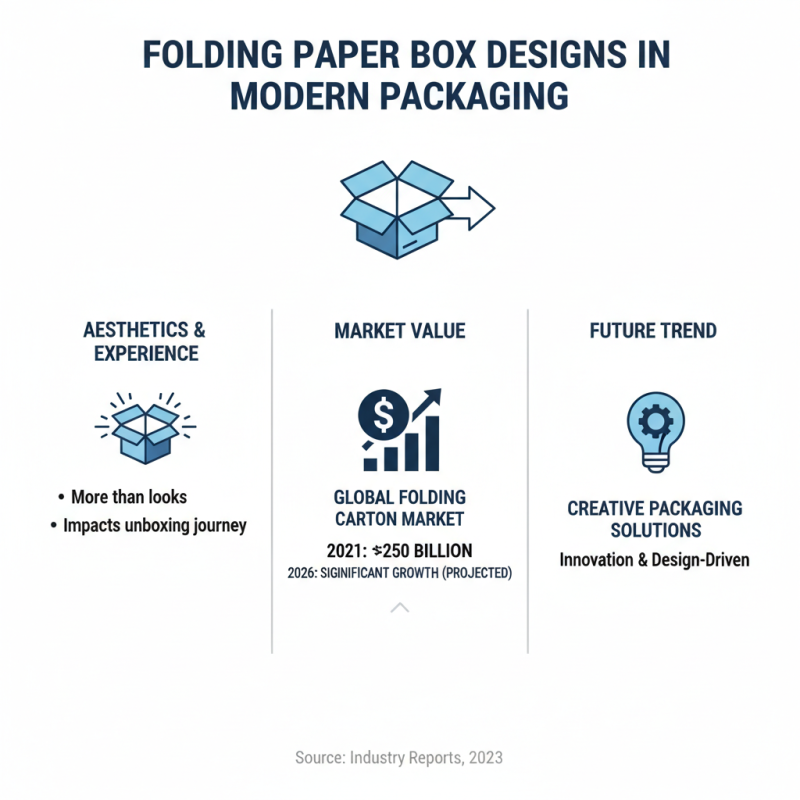
Folding paper box designs play a crucial role in modern packaging. These designs are not just about aesthetics; they impact the entire unboxing experience. In recent years, the global folding carton market was valued at approximately $250 billion, and it is expected to grow significantly by 2026, illustrating a strong trend towards creative packaging solutions.
The versatility of folding paper boxes allows for custom designs that cater to various industries, including food, cosmetics, and electronics. According to a report by Smithers Pira, 54% of packaging professionals prioritize sustainability in their designs. This shift is pushing manufacturers to adopt eco-friendly materials and innovative designs that reduce waste. However, challenges remain. Many companies rely heavily on traditional designs that do not appeal to eco-conscious consumers.
Additionally, the integration of technology into folding box designs is emerging. Smart packaging is on the rise, offering features like QR codes and NFC technology. This can enhance the consumer experience but also raises concerns about production costs. Balancing innovation with cost-effectiveness remains a constant struggle for many designers. Therefore, the industry's future lies in striking a balance between creativity, sustainability, and practicality in folding paper box designs.
Key Materials Used in Creative Folding Paper Box Designs
In the world of packaging, folding paper boxes offer a unique blend of functionality and aesthetics. Key materials play an essential role in shaping these designs. While traditional paper remains popular, advancements in eco-friendly materials have emerged. According to industry reports, the paper packaging market is projected to grow by 4.5% annually through 2026. This growth indicates a shift towards sustainable packaging solutions, which many brands now prioritize.
Kraft paper and cardboard are widely used due to their durability and recyclability. These materials can create a strong yet lightweight structure. Additionally, innovative finishes like lamination enhance both appearance and protection. Research shows that consumers are increasingly influenced by packaging design, with 72% stating it affects their purchase decisions.
Tips for choosing the right material include considering your product's weight and required protection. Assessing the environment where your packaging will be used is crucial. Be mindful of design limitations; sometimes complex features might compromise functionality. Simple designs can effectively convey your brand's message. This is an area where many designers can improve. Exploring new materials can lead to better solutions but may require trial and error.
Innovative Techniques for Designing Folding Paper Boxes
Folding paper boxes are gaining popularity due to their versatility and eco-friendliness. Innovative design techniques can elevate simple packaging into eye-catching artwork. Consider utilizing 3D modeling software to visualize designs before printing. This helps identify potential flaws and improves the overall aesthetics. Thoughtful choices in color and texture enhance the box’s appeal.
When designing, keep functionality in mind. Boxes should be easy to assemble and collapse for storage. Use creative shapes to capture attention. However, remember that intricate designs may complicate production processes. This balance is vital. Aim for designs that are both stunning and practical.
Tips: Always prototype your designs. This step can reveal unexpected issues. Solicit feedback from others to gain new perspectives. Testing various materials can also provide insights into durability and visual impact. Keep refining your ideas, embracing the learning journey with each iteration.
Applications of Folding Paper Boxes in Various Industries
Folding paper boxes serve versatile roles across numerous industries. Their design allows for easy customization, making them suitable for various products. In the food industry, these boxes often serve as takeout containers. They come in multiple shapes and sizes, enhancing visual appeal and practicality. Consumers appreciate their eco-friendly nature, which aligns with sustainable practices in food packaging.
In the cosmetics industry, packaging design is crucial. Folding paper boxes can create an elegant presentation for high-end products. Many brands utilize decorative prints and embossing to differentiate their offerings. This artistic approach not only attracts customers but also enhances brand recognition. However, companies must ensure that the packaging is both functional and stylish. Sometimes, striking a balance between aesthetics and cost can be challenging.
Similarly, in the e-commerce sector, folding boxes are essential. They provide protection and branding opportunities during shipping. However, some companies overlook the importance of user experience when opening the package. A well-designed box should be easy to open while keeping the product secure. This is an area where many brands could improve. Proper design can lead to a memorable unboxing experience that encourages repeat business.
2026 Best Folding Paper Box Designs and Ideas for Creative Packaging
This chart illustrates the popularity of various folding paper box designs across different industries in 2026. The data reflects the percentage of usage based on market trends.
Trends and Future Directions in Folding Paper Box Design
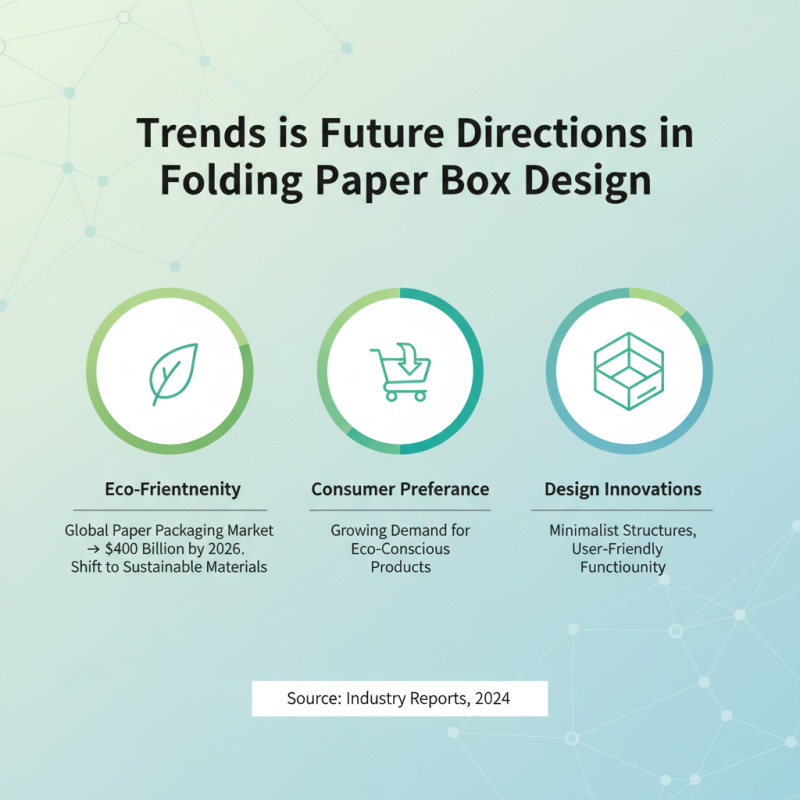
In the evolving realm of packaging, folding paper boxes stand out for their versatility and eco-friendliness. Recent statistics show that the global paper packaging market is expected to reach 400 billion USD by 2026, indicating a significant shift toward sustainable materials. Consumers are increasingly drawn to products that prioritize environmental impact. Innovations in design, such as minimalistic structures and user-friendly functionality, have become pivotal in attracting customers.
The future direction of folding paper box design emphasizes personalization and interactivity. Brands are exploring smart packaging solutions that engage users. A recent survey revealed that 72% of consumers appreciate packaging that tells a story or provides added functionality. This trend compels designers to think beyond aesthetics and focus on the consumer experience. However, there is a challenge; balancing creativity with cost-effectiveness remains a concern for many designers. Some may overlook the practicality of complex designs that could increase production costs.
A noticeable trend is the integration of technology. Augmented reality (AR) and QR codes are making their way into paper packaging, enhancing engagement. Yet, this innovation poses questions about durability and consumer accessibility. As folding paper boxes become a canvas for creativity, designers face the task of ensuring that these advancements align with user needs. It’s essential to reflect on whether these changes genuinely enhance the packaging experience or merely serve as fleeting trends.