China Best Folded Packaging Solutions for Your Business Needs?
In the fast-paced world of packaging, "Folded Packaging" has emerged as a versatile solution for businesses. It combines functionality with aesthetic appeal, catering to various industries. This flexible packaging method can enhance product presentation and promote brand identity. Companies are increasingly opting for folded packaging due to its cost-effectiveness and sustainable options.
Choosing the right folded packaging solution can be daunting. Different materials, styles, and sizes can confuse businesses. Understanding your specific needs is crucial. Factors such as product dimensions, weight, and fragility play significant roles. Many companies overlook these aspects, leading to packaging failures.
Seeking expert guidance is vital for successful folded packaging. Collaborating with experienced providers ensures quality and reliability. It's essential to prioritize expertise in this field. However, even seasoned managers may encounter challenges. Continuous learning and adaptation are necessary to stay ahead. In this competitive landscape, selecting the best folded packaging isn't just an option; it's a necessity for success.

The Importance of Folded Packaging in Modern Business
Folded packaging plays a crucial role in modern business. Its significance lies in both product presentation and protection. According to recent industry reports, over 70% of consumers judge a product by its packaging. This statistic emphasizes how impactful folded packaging can be for brand perception. Businesses that prioritize effective packaging designs often notice a 30% increase in sales.
In addition to aesthetic appeal, folded packaging serves practical functions. It is lightweight yet strong, reducing shipping costs while ensuring product safety. Data from packaging research indicates that businesses using folded solutions experience 20% less product damage during transit. However, some companies overlook sustainability in their packaging choices. This oversight can lead to environmental backlash and consumer dissatisfaction.
Emerging trends favor eco-friendly materials for folded packaging. Research shows that 65% of consumers prefer brands that use sustainable packaging. Yet, challenges remain in sourcing affordable, recyclable materials. Companies must balance cost, functionality, and environmental responsibility. Embracing these principles will shape the future of folded packaging and enhance business success.
Key Features of Effective Folded Packaging Solutions
Folded packaging solutions play a crucial role in enhancing product presentation and ensuring safety during transit. Effective folded packaging should combine durability with an appealing design. Research shows that 72% of consumers consider packaging quality when making purchase decisions. Brands that invest in high-quality packaging often experience increased customer loyalty.
A key feature to consider is material choice. Eco-friendly options have surged in popularity, aligning with consumer preferences. According to the 2022 Sustainable Packaging Trends report, 67% of respondents prefer brands that use recyclable materials. Additionally, customization can enhance brand identity. Tailored packaging can increase visibility, promising a unique customer experience.
Efficiency in production processes is vital as well. Automation in folded packaging can reduce waste and operational costs. However, many businesses struggle to balance speed with quality. Ensuring that packaging is easy to open yet secure is a common challenge. Addressing these complexities can lead to improved customer satisfaction and repeat business. Investing in both aesthetics and functionality is essential for success in the competitive market.
Types of Folded Packaging Available in China
In China, folded packaging is versatile and caters to diverse industries. Different types are available, each serving unique purposes. For example, paperboard boxes offer strength and design flexibility. They are often used in cosmetics and electronics. According to a recent report by Smithers Pira, the demand for paperboard packaging will increase by 3% annually through 2025.
Another option is corrugated packaging. It is lightweight yet durable, making it ideal for shipping goods. This type of packaging is prevalent in e-commerce, as it provides excellent protection against damage. The global corrugated board market is projected to grow significantly, driven by the surge in online shopping, which saw a 44% jump in 2020 alone.
Flexible packaging, such as pouches and wraps, is also gaining traction. It offers convenience and reduces waste. However, challenges exist in terms of recyclability and materials sourcing. The industry is working toward sustainable solutions. Companies are experimenting with biodegradable options, but the technology is still developing. Each type of folded packaging has unique strengths and weaknesses, requiring businesses to carefully assess their needs.
How to Choose the Right Folded Packaging for Your Products
Choosing the right folded packaging is crucial for your business. It affects product protection, branding, and customer experience. According to a recent industry report, over 70% of consumers believe packaging influences their purchasing decisions. Selecting appropriate materials can enhance your product appeal significantly.
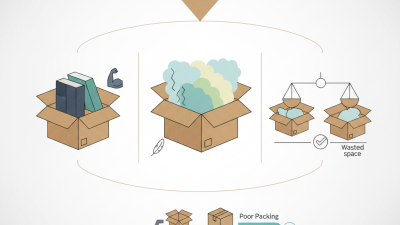
Consider your product size and shape. Opt for packaging that snugly fits. Overly large packaging can lead to product damage during transit. In contrast, tightly packed items might increase the risk of defects. Assess the balance between protection and presentation. It’s an art to find solutions that meet both needs without compromising quality.
**Tips:** Always test your packaging with prototypes. This will reveal potential issues before mass production. Evaluate sustainability options. Reports show that 60% of consumers prefer eco-friendly packaging, boosting your brand’s reputation. Focus on user-friendliness as well. Complex packaging may frustrate customers, affecting their final impression. Reflect on these aspects to ensure your choice aligns with market expectations.
China Best Folded Packaging Solutions for Your Business Needs
| Packaging Type |
Material |
Size (mm) |
Weight Capacity (kg) |
Customization Options |
Lead Time (Days) |
| Folding Cartons |
Paperboard |
200 x 100 x 150 |
5 |
Printing, Die-cutting |
15 |
| Rigid Boxes |
Cardboard |
300 x 200 x 100 |
10 |
Foiling, Embossing |
20 |
| Paper Bags |
Kraft Paper |
250 x 150 x 300 |
2 |
Handles, Custom Prints |
10 |
| Carton Boxes |
Corrugated Board |
400 x 300 x 400 |
15 |
Sustainable Options |
18 |
| Gift Boxes |
Art Paper |
350 x 250 x 200 |
4 |
Luxury Finishes, Inserts |
25 |
Future Trends in Folded Packaging Solutions in China
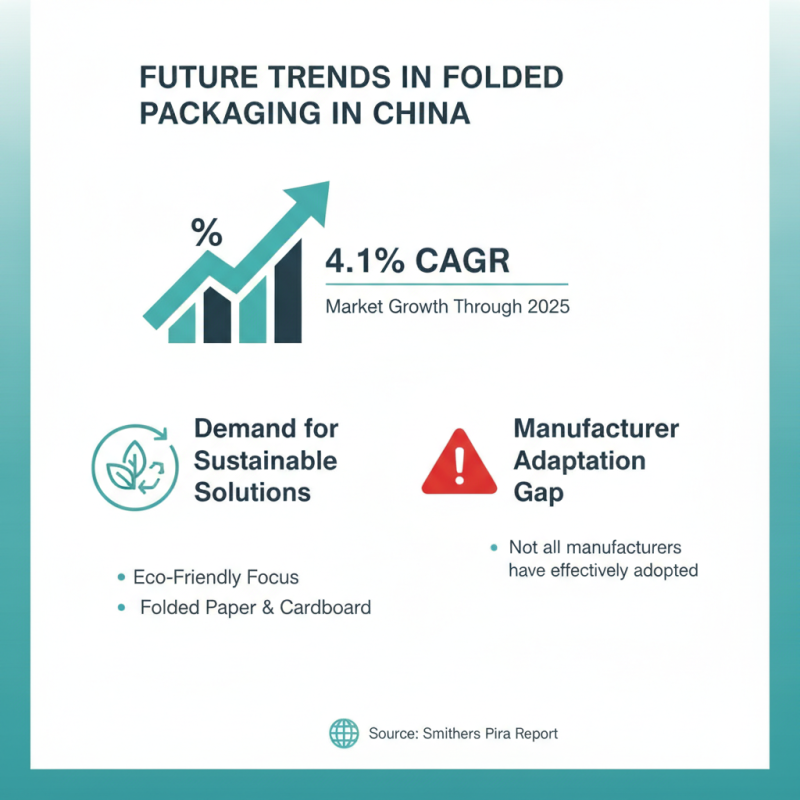
The folded packaging sector in China is rapidly evolving. A recent report by Smithers Pira projects that the market will grow at a compound annual growth rate (CAGR) of 4.1% through 2025. This growth highlights the increasing demand for sustainable packaging solutions. As businesses focus on eco-friendliness, folded paper and cardboard solutions are gaining traction. Surprisingly, not all manufacturers have adapted to these trends effectively.
Current trends indicate that customization is crucial. Studies show that around 70% of consumers prefer products with unique packaging designs. However, many companies still rely on conventional designs. This gap presents a challenge for businesses aiming to differentiate their products. Innovations, such as smart packaging that incorporates technology, are also on the rise. Yet, few companies are taking full advantage of these advancements.
The shift towards e-commerce is also influencing folded packaging trends. According to Statista, online retail sales in China are projected to reach $1.3 trillion by 2025. As a result, packaging solutions need to protect products during transit. This has prompted a reevaluation of materials and structural integrity. While some companies excel in developing rigid packaging, many still struggle with lightweight options that also offer protection. The path ahead requires continuous adaptation and a commitment to innovation.