How to Choose the Best Window Paper Box for Your Packaging Needs?
When selecting a Window Paper Box for packaging, expertise is essential. According to packaging specialist, Johnathan Wright, “The right choice can elevate your product's presentation.” His insights remind us of the importance of thoughtful selection in packaging.
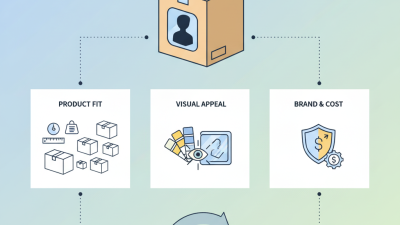
Window Paper Boxes offer visibility and allure to your products. A well-designed box not only protects but also communicates value. You must consider the dimensions, material quality, and design aesthetics, ensuring they align with your branding. Often overlooked, these factors directly impact customer engagement.
Many businesses falter by prioritizing cost over quality. It's crucial to strike a balance. A high-quality Window Paper Box may have a higher price but can enhance brand perception and increase sales. Reflecting on your needs and audience can guide you to the optimal choice. Remember, the right window box fosters a connection between your product and your customers.

Understanding Different Types of Window Paper Boxes for Packaging
When selecting the right window paper box for your packaging needs, understanding the various types available is crucial. Window paper boxes come in different styles, each serving unique purposes. For instance, tuck-top boxes are easy to assemble and provide a neat appearance. They're perfect for gifting and retail displays. Alternatively, the auto-bottom box is designed for quick assembly, making it suitable for high-volume packaging.
Tips: Consider the product's visibility. Clear windows enhance attractiveness and allow customers to see what’s inside. Choose the right size too. A box that is too small may damage products, while an oversized one can look unprofessional. Both aspects influence customer perception.
Another style to ponder is the die-cut window box. This option offers creativity and customization. Companies often use die-cutting to showcase distinctive product features. However, these boxes can be more expensive to produce. Weigh the benefits against your budget. The choice of window size also matters. A small window might limit visibility but could save costs. Think through what best meets your product needs.
Evaluating Material Quality: What to Look for in Window Paper Boxes
When choosing window paper boxes, material quality is crucial. The type of paper used affects durability and aesthetics. Look for sturdy options that can withstand handling during shipping. Coated paper can enhance moisture resistance. It’s important that the box maintains its shape, particularly if it contains fragile products.
Next, assess the thickness of the paper. Thicker materials provide better protection. However, too thick can be overkill and may add unnecessary weight. Consider the balance between strength and functionality. You want the box to look good while ensuring it protects the contents.
Also, pay attention to the finish. Matte or glossy finishes can influence the visual appeal. Glossy may enhance colors, while matte can give a more sophisticated look. This choice reflects your brand identity. Inconsistent quality among batches can pose a problem. Work with suppliers who offer reliable and consistent materials.
Sizing Matters: How to Choose the Right Dimensions for Your Product
When selecting window paper boxes, sizing plays a crucial role. The dimensions must match your product's size precisely. A box that’s too tight may crush delicate items. On the other hand, a box that’s too large can lead to movement, causing damage during transit. Adequate space is necessary, but you don’t want excess space.
Consider the specifics of your product. Measure its height, width, and depth. Include any additional components like padding. Not all products fit standard sizes. Custom solutions might be necessary. However, custom boxes often involve higher costs. Balancing budget constraints with product needs is essential.
Think about display as well. An ideal size showcases your product effectively. A well-fitting window box can attract customers. Large or small, dimensions matter for aesthetics too. However, be cautious with over-complicating designs. Sometimes, simplicity is key. Ensure your box remains easy to open and handle while still looking appealing.
Sustainability Factors: Eco-Friendly Options in Window Paper Box Packaging
Sustainable packaging is more than a trend. It’s a necessity for our environment.
Window paper boxes can be an excellent choice. They offer visibility of products while remaining eco-friendly.
Consumers increasingly seek packaging that minimizes waste and uses renewable materials.
When selecting window paper boxes, consider compostable or recycled options. Many paper products now use starch-based adhesives and plant-based inks. This reduces the overall environmental impact. However, not all window boxes are created equal. Checking for certifications like FSC or recycled content is vital. These indicators show a commitment to sustainability.
Moreover, think about the manufacturing process. Local production can lower carbon footprints significantly. Choosing a box that is lightweight yet durable can also minimize transportation emissions. It’s essential to weigh the aesthetics against environmental factors. Not every stylish option is the greenest choice, and sometimes compromise is needed. Addressing these complexities is crucial for better packaging solutions.
Cost Analysis: Balancing Quality and Price in Your Packaging Choices
When considering window paper boxes for packaging, cost analysis is crucial. Balancing quality and price can be challenging. You want to ensure that the materials used are reliable and durable. However, higher prices do not always guarantee better quality. Some lower-cost options can perform just as well in certain situations.
Understanding the different grades of window paper can help make informed choices. Higher quality paper often means a more resilient product. But does it justify the added cost? It may require testing various options to find the right fit. Sometimes, you might end up with a box that doesn't meet your packaging needs, leading to frustration.
Engaging with suppliers about their pricing strategies can provide insights. Ask questions about the sourcing of materials and production processes. This can reveal the reasons behind price variations. It’s also important to consider long-term costs, like potential damage to products. The cheapest option may not be the best when future replacements are considered. Balancing these factors requires thoughtful evaluation and reflection on your specific needs.