2026 How to Choose the Best Empty Boxes For Packing Efficiently?
When it comes to moving or organizing, choosing the right empty boxes for packing can be daunting. Many people overlook the importance of selecting the appropriate containers. Not all boxes are created equal. Some may not hold the weight of your items, while others may be too large or small. It’s essential to consider both size and sturdiness.
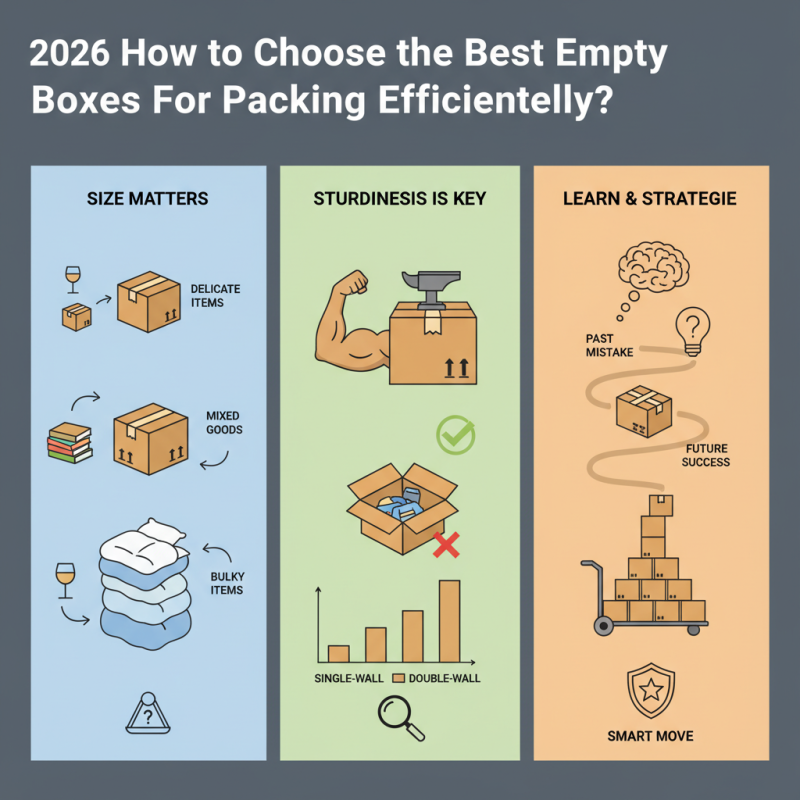
Empty boxes for packing should suit your specific needs. The size of the box matters significantly. For delicate items, smaller boxes may provide better support. Larger boxes can hold bulkier goods, but they risk being too heavy to lift. This balance is crucial during the packing process.
Reflecting on your experiences can also help. Have you ever packed and realized your boxes weren't fit for the job? Learning from these moments enhances your future packing skills. Selecting the right empty boxes for packing should feel like a strategic decision, not a chore.
Understanding Your Packing Needs and Requirements
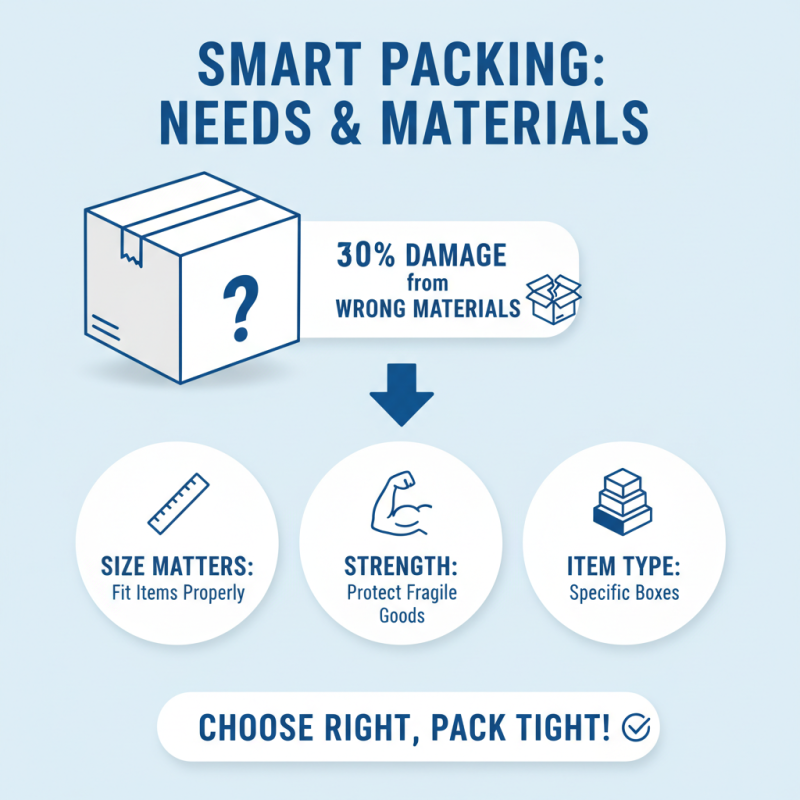
When it comes to packing, understanding your specific needs is crucial. A recent industry report indicated that 30% of movers experience damage due to improper packing materials. This highlights the importance of selecting the right empty boxes before starting your packing process. Think about the size, strength, and type of items you plan to pack. Box dimensions should align with the items' sizes to avoid wasted space or overcrowding.
Consider your packing environment. Are you moving fragile items, like glass or electronics? A box's strength rating is essential in these cases. Many packing suppliers list the maximum weight each box can support. Choosing a box that’s too weak could lead to disaster. For instance, a report by the International Association of Movers showed that proper box selection can reduce the risk of damage by up to 50%.
Reflect on the materials as well. Cardboard varies widely in quality. Some boxes offer double-walled protection for heavier items, while others may be flimsy. This selection process can feel overwhelming. Searching for the right balance of sturdiness and affordability is tricky. It's easy to overlook details, but these choices impact the success of your packing efforts.
Types of Empty Boxes Available for Different Items
When it comes to packing, the right empty boxes make all the difference. Different items require different types of boxes. For fragile items like glassware, sturdy cardboard boxes are essential. They should be well-padded with materials like bubble wrap or packing peanuts. On the other hand, clothing and textiles can be packed in softer, foldable boxes. These boxes take up less space and are easier to handle.
Tips: Consider box size. Too large, and items shift. Too small, and you're cramming. For books, opt for smaller boxes. They are heavy and can be cumbersome. For larger electronics, use boxes with compartments. This prevents movement during transport.
Remember, not every box is perfect. Sometimes, you'll need to repurpose boxes from deliveries. Just check for damage. A damaged box can lead to accidents. Reflect on your choices. Each item deserves the right care during packing.
Key Factors to Consider When Choosing Packing Boxes
When selecting the best empty boxes for packing, several key factors are essential. One of the most crucial is the size. According to industry reports, improper sizing can lead to more than 30% wasted space. Smaller boxes can cause damage to items, while larger boxes may let things shift during transport. It's essential to choose boxes that snugly fit your items, ensuring they're protected.
Material is another factor to consider. Cardboard is the most popular choice, but quality varies widely. A study published in 2023 found that double-wall cardboard offers 50% more protection than single-wall types. For fragile items, reinforced boxes are a must.
**Tip:** Always test the box strength with your heaviest items before packing. This simple step can prevent unexpected damages.
Lastly, consider the box's durability. Some inexpensive options can tear easily. A report suggests that over 20% of packages are damaged during transport. Choosing durable boxes can save money in the long run.
**Tip:** Invest in a few high-quality boxes for your most valuable items. It’s worth the peace of mind.
2026 How to Choose the Best Empty Boxes For Packing Efficiently? - Key Factors to Consider When Choosing Packing Boxes
| Dimension (inches) |
Material Type |
Weight Capacity (lbs) |
Suitability for Shipping |
Recyclability |
| 12 x 12 x 12 |
Cardboard |
30 |
Good |
Yes |
| 16 x 12 x 8 |
Corrugated |
40 |
Very Good |
Yes |
| 18 x 18 x 16 |
Plastic |
50 |
Excellent |
No |
| 24 x 18 x 18 |
Double Wall Cardboard |
70 |
Excellent |
Yes |
Tips for Ensuring Box Durability and Strength
When selecting empty boxes, focusing on durability and strength is crucial. The material of the box plays a significant role in its reliability. Cardboard is common, but not all are created equal. Opt for double-walled boxes for heavier items. These boxes resist crushing and ensure contents remain intact.
Besides material, the design matters. Look for boxes with reinforced edges. They can withstand the stresses of stacking and transport. When packing fragile items, consider adding padding inside the box. Bubble wrap or packing peanuts can help absorb shocks. Remember to choose the right size. Overpacking a box can lead to damage, while too much empty space increases movement inside.
Sometimes, even the best boxes fail. It’s frustrating to realize that gear isn’t safe, despite your careful selection. Testing a box’s endurance before your big move can help prevent mishaps. Try a simple drop test. If the box holds up, you’ve made a wise choice. Reflect on past packing experiences for better decisions. Each move teaches valuable lessons in box selection, leading to a more efficient packing process.
Eco-Friendly Options for Sustainable Packing Choices
When choosing empty boxes for packing, eco-friendly options play a vital role. Many materials are available, like recycled cardboard and biodegradable plastics. These materials reduce waste and help in conserving resources. Opting for sustainable packing choices adds a positive impact on our environment.
However, not all eco-friendly boxes are equal. It's important to consider packaging thickness and durability. A thin box may seem green but might not protect your items well. Balancing sustainability with functionality can be tricky. You might find yourself questioning the best choice. Sometimes, the best intentions lead to less efficient packing.
Look for boxes that are easily reusable. They often come in various sizes, accommodating different needs. Compact boxes save space and reduce the carbon footprint during transport. While shopping, keep an eye on certifications that indicate environmental responsibility. Small choices today shape a better future for packing and the planet.
2026 Packing Efficiency: Best Empty Boxes Selection