2026 How to Choose the Right Window Paper Box for Your Packaging Needs?
Choosing the right window paper box for your packaging needs is essential. These boxes are not just functional; they also enhance product visibility. A well-designed window paper box can attract customers and boost sales.
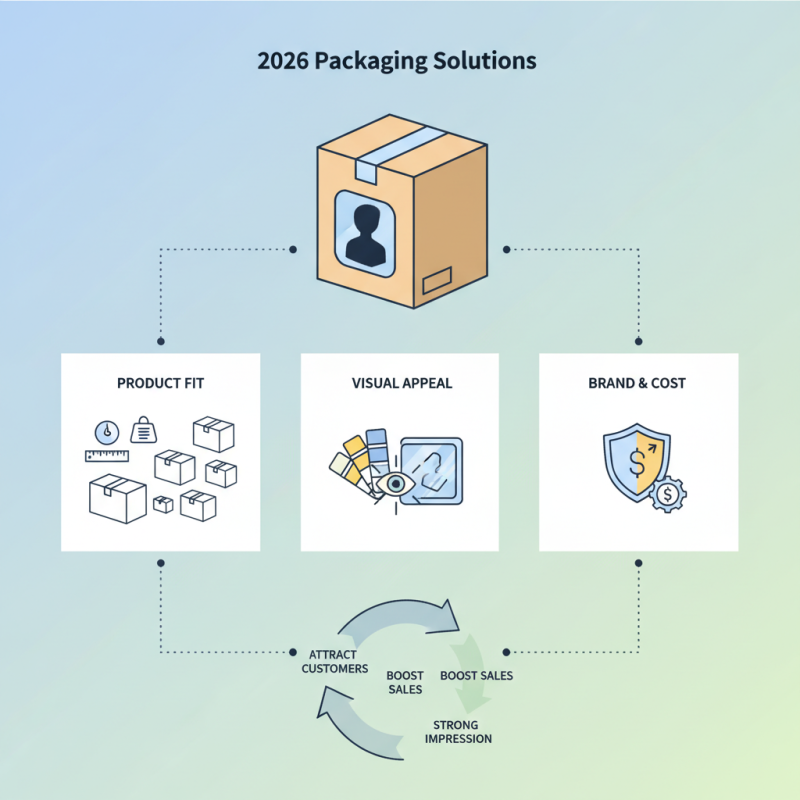
When selecting a window paper box, consider your product’s dimensions and weight. The box must be sturdy enough to protect what’s inside. You should also think about the box's aesthetics. Bright colors and clear windows can catch shoppers' eyes. However, balance is key. Too much design can overwhelm the product.
Reflect on your brand identity while choosing packaging. The box should represent what your brand stands for. Remember, packaging is often the first thing customers see. A window paper box can make a strong impression. Still, it’s important to evaluate cost-effectiveness. Finding quality at a reasonable price may take time and effort.
Understanding the Importance of Window Paper Boxes in Packaging
Window paper boxes play a crucial role in modern packaging. These boxes allow consumers to see products without opening the packaging. This transparency builds trust and encourages purchases. According to a recent market report, the demand for window paper boxes is projected to grow by 8.4% annually through 2025. Companies are recognizing the impact of aesthetics and functionality on shopping behavior.
When selecting the right window paper box, consider the product's shape and size. Ensure the window placement aligns with your branding. A poorly designed box can overshadow even the best products. Remember, the first impression matters. A clean and professional appearance can elevate your product's status.
Tips: Test different window shapes to find what's best for your item. Monitor consumer reactions to window designs. Small adjustments can lead to significant changes in customer response. It’s essential to reflect on design choices regularly. Sometimes, simplicity outshines complexity in packaging designs. Implementing effective window designs can enhance visibility and attract more customers.
Types of Window Paper Boxes Suitable for Various Products
When considering window paper boxes for your packaging needs, it's essential to understand the options available. Several types cater to different products. For baked goods, a box with a clear window offers visibility, showcasing delicious treats while maintaining freshness. This design invites customers to take a closer look.
For cosmetics, a window paper box with a decorative cut-out can enhance brand appeal. It allows consumers to see the product without opening the packaging. This option is visually striking but can sometimes lead to mixed messages if the cut-out is not well designed.
In contrast, food items like pastries and chocolates may benefit from a simpler silhouette. Often, a small window serves its purpose without overwhelming the design. However, selecting the wrong size can lead to frustration during packing. Reflecting on the balance between aesthetics and utility can significantly impact your overall packaging success.
Key Factors to Consider When Selecting Window Paper Boxes
When selecting window paper boxes, several key factors come into play. Material is crucial. Consider whether you want recyclable options. Some materials may not provide the sturdiness needed for your products. Think about the window type. Clear windows can showcase items well, but frosted windows offer a softer look. Each option affects your product's visibility.
Size matters, too. A snug fit keeps items secure. An ill-fitting box might lead to damage. If your products are various sizes, versatility is essential. Designing a box that adapts could enhance usability. Don't forget about aesthetics. The color and design of your box should align with your brand identity. It’s important to reflect the right image.
Pricing is always a consideration. Customizations can increase costs quickly. Sometimes, going with a simpler design can save money but still appear appealing. Balancing quality and cost is tricky. Reflecting on these choices can lead to better packaging solutions. Make a checklist of must-have features to guide your decision-making process.
Key Factors to Consider When Selecting Window Paper Boxes
Design and Customization Options for Window Paper Boxes
When selecting window paper boxes, design and customization play crucial roles. According to industry reports, 70% of consumers favor products with attractive packaging. Customization allows businesses to create distinctive designs that capture attention. This is essential in a competitive market where visual appeal can drive purchasing decisions.
Common choices include die-cut windows and unique shapes. These features enhance product visibility while maintaining the integrity of the packaging. However, businesses often overlook functionality. It's vital to balance aesthetic aspects with practical considerations, like security and durability. For instance, 60% of businesses report that fragile products require more robust packaging solutions.
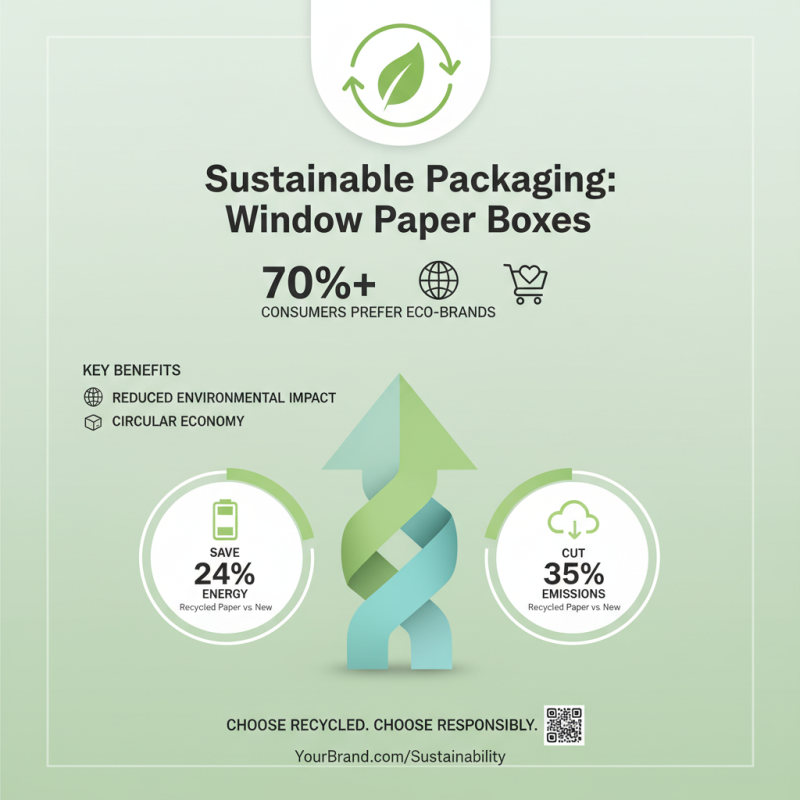
Sustainability is another concern. Many brands are moving toward eco-friendly materials. Reports show that 55% of consumers prefer sustainable options. However, not all materials suit every type of design. Finding the right balance between style, functionality, and environmental impact can be challenging. A constant reflection on these elements is necessary to make informed packaging choices.
2026 How to Choose the Right Window Paper Box for Your Packaging Needs? - Design and Customization Options for Window Paper Boxes
| Dimension |
Material |
Window Type |
Printing Options |
Customization Options |
| 10 x 6 x 4 inches |
Recycled Paper |
Rectangle |
Single Color |
Die-Cutting, Embossing |
| 12 x 8 x 6 inches |
Kraft Paper |
Square |
Full Color |
Window Shape Customization |
| 8 x 4 x 4 inches |
Cardboard |
Oval |
Spot UV |
Custom Sizes Available |
| 9 x 5 x 5 inches |
Bamboo Paper |
Triangular |
Water-Based Ink |
Custom Handle Options |