How to Create a Personalized Paper Box for Your Unique Packaging Needs?
In today’s competitive market, creating a "Personalized Paper Box" is more than just a packaging choice; it's a strategic necessity. According to a 2022 report by Smithers Pira, the global market for sustainable packaging is expected to reach $500 billion by 2025. Customers increasingly value personalized experiences, which extends to the packaging of products. A uniquely designed paper box can elevate a brand’s image and resonate with consumers.
Consider that 67% of consumers believe packaging influences their purchasing decision. Personalized boxes not only enhance aesthetics but also improve user experience. Brands that invest in customized packaging report a higher customer retention rate, emphasizing the importance of a distinct identity in a crowded marketplace. However, some businesses may overlook budget constraints when designing these boxes.
Ultimately, while a "Personalized Paper Box" can offer tremendous advantages, it is essential to balance creativity with practicality. Companies must remain mindful of production costs and environmental impact. Embracing this dual focus can lead to more sustainable personalized packaging solutions that meet both customer expectations and industry standards.
Understanding the Importance of Personalized Packaging Solutions
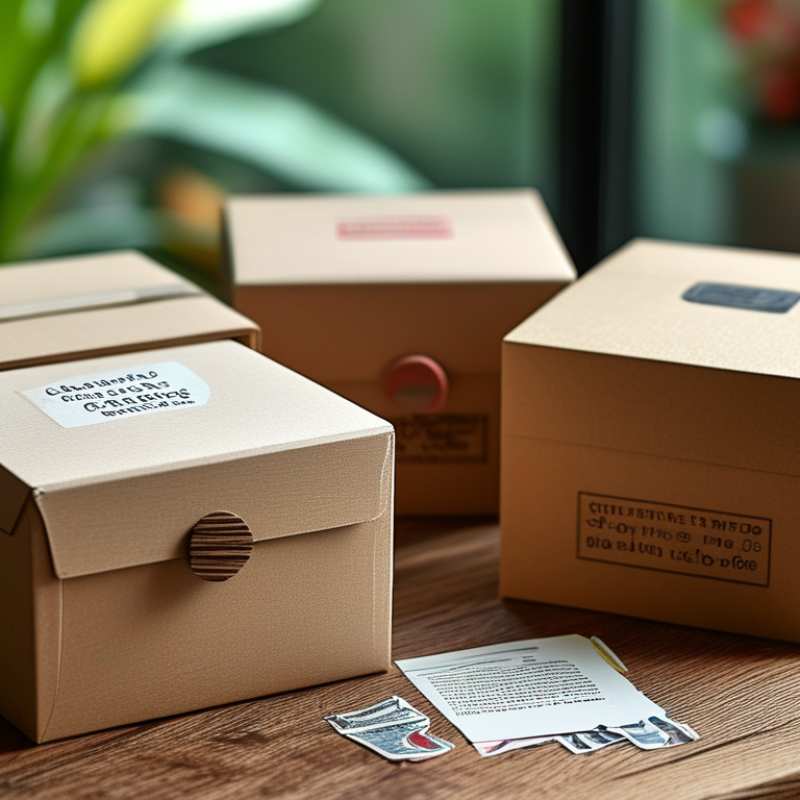
Personalized packaging solutions play a crucial role in today’s competitive market. Businesses need to stand out and connect with their customers. Custom paper boxes offer an effective way to enhance brand identity. These boxes can be tailored to fit specific products, ensuring safety during transit. A unique design immediately grabs attention. The right colors and graphics can evoke emotions.
Visual appeal is important in encouraging purchases.
Creating personalized packaging requires careful consideration. The box size, shape, and design should align with the brand message. However, not all designs turn out as expected. Experimenting with different styles can lead to unexpected results. Sometimes, the initial concept may need adjustments to meet functional requirements. A box that looks good but is impractical can be counterproductive. Testing prototypes helps refine the design.
Understanding customer preferences is essential for effective packaging. Feedback plays a huge role in improving solutions. Engaging customers through surveys or social media can provide valuable insights. Brands should remain open to criticism. This willingness fosters trust and helps in creating better packaging solutions. Personalized packages show customers that their satisfaction is a priority. In turn, this creates loyalty.
Selecting the Right Material for Your Custom Paper Box
Selecting the right material for a custom paper box is crucial. The choice impacts durability, appearance, and functionality. Many options exist, such as kraft paper, cardboard, and recycled paper. Each material has pros and cons related to strength and aesthetics. Kraft paper is sturdy, making it suitable for heavier items. However, it may lack the glossy finish some designs require.
Cardboard, on the other hand, offers more versatility. It can be lightweight or heavy-duty. Its adaptability is appealing for various product types. Recycled paper is eco-friendly but might not provide the same durability. It's a great choice if sustainability is a priority. Ensure the selected material matches the intended use. For example, fragile items require extra protection.
It's also essential to consider the printing method. Some materials absorb ink differently. This may affect your box's final appearance. Test samples before committing to a large order. Reflect on your project's goals and budget when choosing materials. Making the right choice leads to better packaging and enhances your brand's image.
How to Create a Personalized Paper Box for Your Unique Packaging Needs? - Selecting the Right Material for Your Custom Paper Box
| Material Type |
Thickness (gsm) |
Durability |
Eco-friendliness |
Cost per 1000 boxes |
| Kraft Paper |
300 |
High |
Biodegradable |
$250 |
| Cardboard |
400 |
Very High |
Recyclable |
$300 |
| Art Paper |
250 |
Medium |
Sustainable |
$270 |
| Chipboard |
500 |
Very High |
Recyclable |
$320 |
| White Cardstock |
350 |
High |
Semi-recyclable |
$290 |
Designing Your Unique Box: Shapes, Sizes, and Graphics
Creating a personalized paper box requires thoughtful consideration of shapes, sizes, and graphics. Customization allows businesses to stand out. In fact, a 2022 report by Smithers indicates that 40% of consumers prefer unique packaging. This trend highlights the importance of individual design.
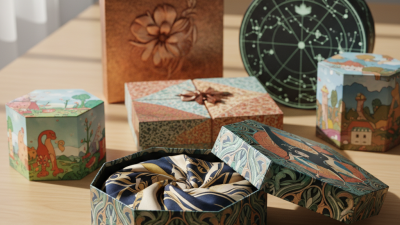
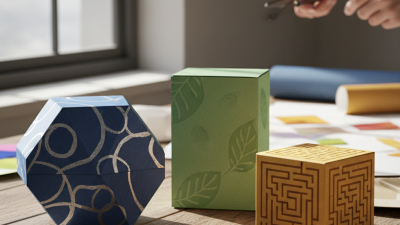
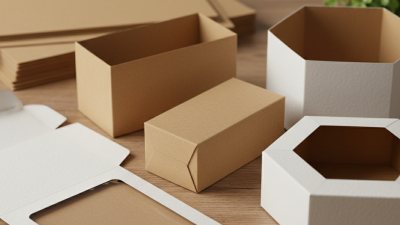
When choosing shapes, think beyond standard rectangles. Consider unique forms that reflect your brand. Boxes with unusual cuts can capture attention. For instance, hexagonal or triangular boxes enhance visual appeal. Sizes also matter. Tailoring dimensions to your product prevents waste. Striking a balance between functionality and aesthetics is crucial.
Incorporating graphics adds another layer of personalization. Use colors and designs that resonate with your audience. Research shows that packaging color impacts buying decisions by up to 85%. Consistency with your brand identity is key.
Tip: Test graphics before finalizing your design. Gather feedback to ensure resonance. Not every design will work as intended. Don’t shy away from revising based on insights.
Next, consider eco-friendly materials. With a rising emphasis on sustainability, opting for recyclable options can enhance your brand's appeal. Avoiding plastic can be a simple yet effective strategy. Prioritize materials that reflect a commitment to the environment for a positive impact.
Incorporating Branding Elements into Your Paper Box Design
Creating a personalized paper box involves more than just functionality; it's an opportunity to express your brand's identity. Incorporating branding elements into your design can significantly impact your packaging's appeal. Start with your brand colors. Ensure they reflect the mood and message of your brand. For example, vibrant colors can signify energy and creativity.
Incorporate your logo prominently onto the box. This reinforces brand recognition. Consider adding a tagline or a brief message that resonates with your audience. This tiny touch can enhance engagement and loyalty among customers. High-quality printing is essential for a polished look.
**Tips:** Use eco-friendly materials to communicate your brand's commitment to sustainability. Keep designs simple yet striking to avoid overwhelming the viewer. Remember to assess customer feedback on the design after launch; this can provide valuable insights for future projects. Consider imperfections in the design process; they can lead to creative breakthroughs and more authentic representations of your brand.
Personalized Paper Box Design Preferences
Steps to Assemble and Finalize Your Personalized Paper Box
Creating a personalized paper box is an exciting endeavor. Start by gathering materials. You will need sturdy paper, scissors, a ruler, and adhesive. Make sure to choose a paper weight that can sustain the structure of your box. Measuring accurately is crucial. Even slight inaccuracies can lead to a poorly fitting box.
Once you have cut the paper to size, begin folding according to your design. This step is where creativity shines. Experiment with different folding techniques. Use templates or freehand designs to add a unique touch. At this stage, mistakes may happen. You might find some folds don't align well. Reflection on these errors can guide future creations.
After assembling the base, it's time to finalize your paper box. Decorative elements can enhance its appearance. Think of adding labels or drawings. Consider color schemes that resonate with your brand or message. Test the sturdiness of your creation by placing items inside. If it collapses, revisit your folding strategy. Adjusting dimensions or rethinking designs may lead to better results. Each iteration brings you closer to your ideal personalized box.