Leave Your Message

10 Essential Tips for Choosing the Best Boxes For Candles?

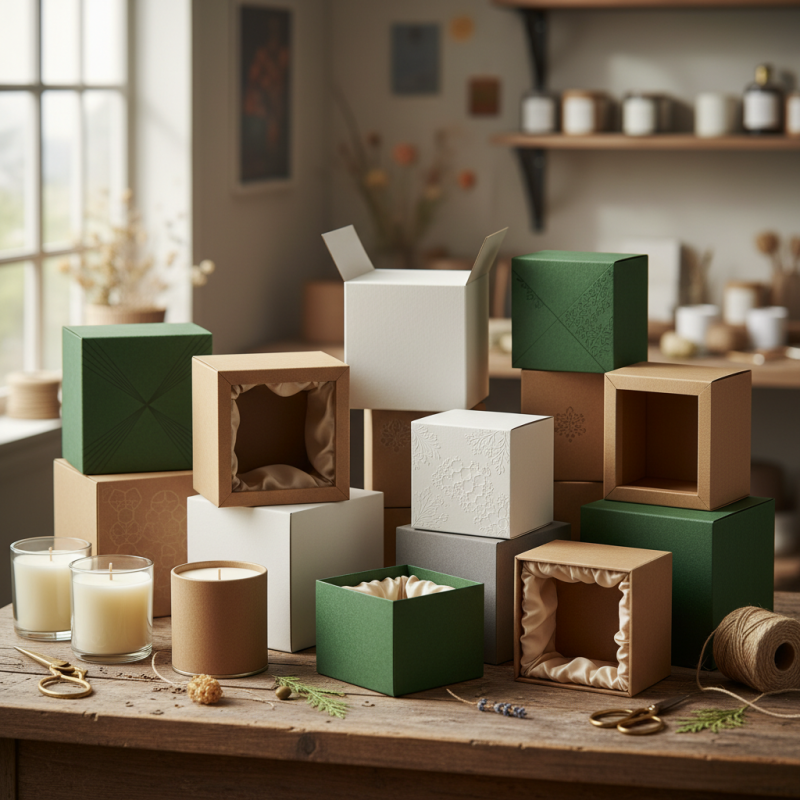
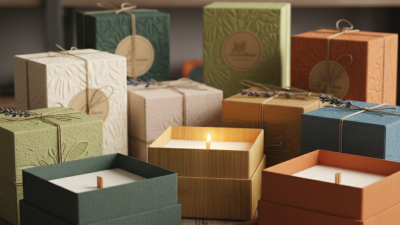
Choosing the right boxes for candles is crucial for both aesthetics and protection. Whether you’re a small business or creating handmade gifts, the packaging matters. It reflects your brand identity and can enhance customer experience.

When selecting boxes for candles, consider material, size, and design. Sturdy materials are essential to keep the candles safe during transit. Customizable options allow for creative branding, making your product stand out. A well-chosen box can elevate the overall appeal of your candles, creating a memorable unboxing experience.

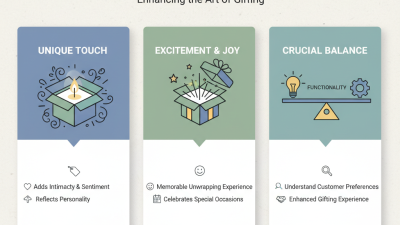
You might think all boxes are the same, but that’s not true. A poor choice can lead to broken candles or unappealing presentations. Reflect on your needs and your audience's preferences. Investing time in this decision will pay off in customer satisfaction and brand loyalty.

10 Essential Tips for Choosing the Best Boxes For Candles?

Understanding the Different Types of Boxes for Candle Packaging

10 Essential Tips for Choosing the Best Boxes For Candles?

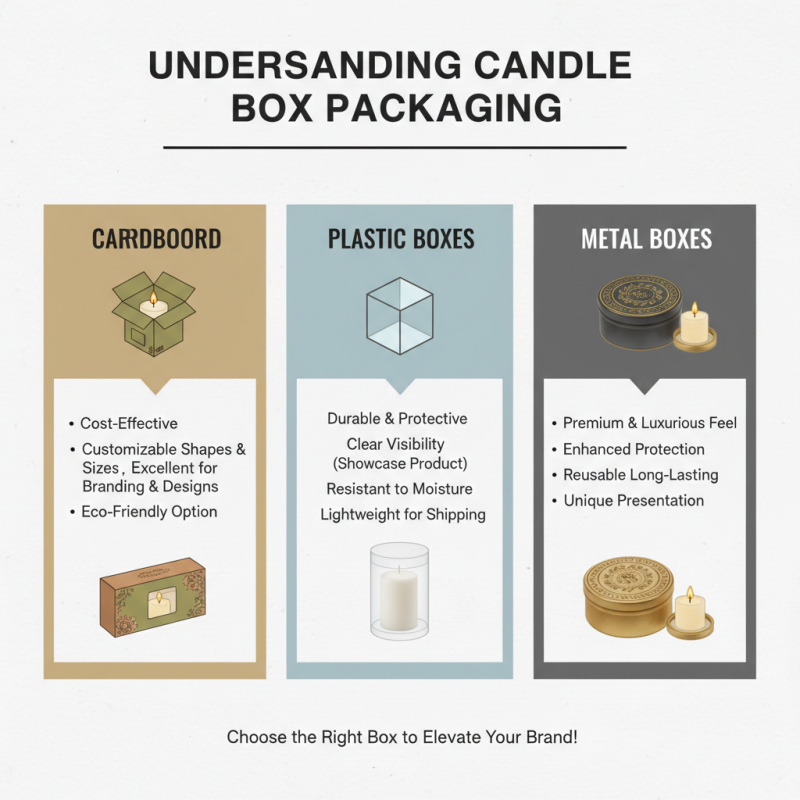
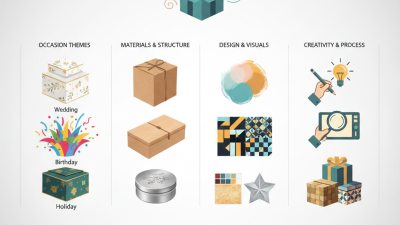
When it comes to candle packaging, understanding different box types is crucial. Candle boxes come in various materials, including cardboard, plastic, and metal. Each type offers unique benefits. For instance, cardboard boxes are cost-effective and customizable. They can showcase beautiful designs that capture attention. Plastic boxes provide durability, protecting the candles during shipping. Metal boxes, while less common, offer a luxurious feel and enhanced protection.

Choosing the right box also depends on the candle type. Pillar candles often require sturdier boxes than tealights. Think about the size and weight of your candles. Larger candles need boxes that can support their weight without deforming. Moreover, consider the visual appeal. A box that aligns with your brand aesthetic can significantly impact customer perception. Simplicity can be beautiful but might not convey the premium quality you want.

Reflecting on these details can shape your packaging strategy. Think about your target audience. What materials and designs resonate with them? Balancing functionality and aesthetics is essential, yet can be challenging. Each decision in packaging can influence sales and brand reputation. Carefully consider every option to find the box that fits your needs perfectly.

Evaluating Material Options for Candle Boxes: Pros and Cons

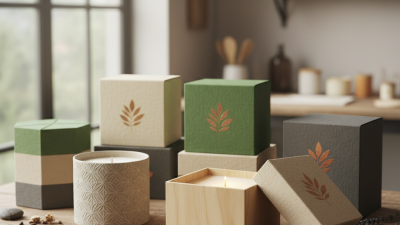
When selecting boxes for candles, the material plays a vital role. Various materials offer unique benefits and drawbacks. For example, cardboard is lightweight and cost-effective. It’s easy to customize for branding. However, cardboard is not waterproof, which can be an issue if the candle melts.

Another popular option is glass. Glass provides an elegant touch and showcases the candle beautifully. It is durable and maintains temperature well. On the downside, glass can be heavy and breakable. This might lead to packaging challenges during shipping.

Consider using biodegradable materials for an eco-friendly solution. These options are sustainable and appeal to environmentally-conscious customers. On the contrary, they may not be as rigid, which could affect the box’s ability to protect your candles. Overall, factor in your brand's identity and audience preferences when making a choice.

Always remember to assess the balance between style and functionality. This will ensure your candle boxes stand out while remaining practical for use.

Material Options for Candle Boxes: Pros and Cons

Choosing the Right Size: How to Measure Your Candles Properly

10 Essential Tips for Choosing the Best Boxes For Candles?

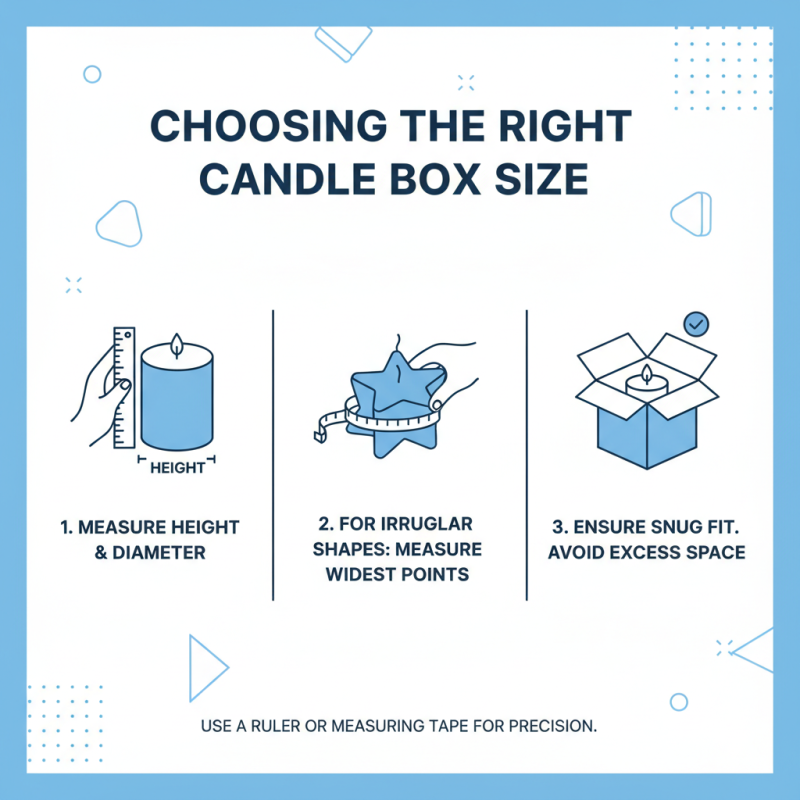
Measuring your candles accurately is crucial for selecting the right box. Start by measuring the height and diameter of your candle. Use a ruler or measuring tape for precision. If your candle has irregular shapes, consider measuring at the widest points. This ensures that the box fits snugly without excess space.

Tip: Always consider the wick height too. If the wick is tall, you might need a slightly taller box. A box that's too tight can damage your candle. Remember, a perfect fit not only looks professional but also provides protection during transport.

Another point to reflect on is the box's depth. This affects how your candles sit inside. A shallow box can compress the candle. On the other hand, a very deep box may allow it to shift during shipping. Test with a few samples before finalizing your choice.

Tip: Think about adding cushioning material. This can help if your box is slightly larger than your candle. Cushioning provides extra protection and can enhance the unboxing experience.

Design Considerations: Aesthetic Appeal and Branding for Candle Boxes

When selecting candle boxes, aesthetics and branding are paramount. Data shows that 60% of customers choose products based on packaging design. This underscores the importance of visually appealing boxes. Vibrant colors, innovative shapes, and captivating graphics can make a significant impact. The right design tells a brand’s story. It draws customers in. A box that reflects the candle's scent or theme often resonates more.

Sustainable packaging is gaining traction. A recent market report indicated that 72% of consumers are influenced by eco-friendly materials. Using recyclable or biodegradable options can elevate a brand’s image. It demonstrates commitment to the environment. Yet, not all consumers prioritize sustainability equally. Some are more drawn to luxury aesthetics. Understanding the target market is crucial for striking the right balance between design and eco-consciousness.

Branding goes beyond visual appeal. The way a box feels can also influence customer perceptions. Textures can evoke luxury or warmth. Simple, tactile elements can enhance the experience. However, brands should avoid over-complicating designs. Sometimes, simplicity speaks volumes. Reflecting on these choices is essential for creating effective candle packaging that stands out in a crowded market.

10 Essential Tips for Choosing the Best Boxes For Candles

Tip Consideration Description
1. Choose Quality Materials Durability Select materials that can withstand heat and are sturdy enough to protect the candles.
2. Focus on Aesthetics Visual Appeal Design boxes that are visually attractive and represent the candle's theme.
3. Consider the Size Fit Ensure the box fits the candle snugly to prevent movement during shipping.
4. Use Eco-Friendly Options Sustainability Opt for recyclable or biodegradable materials to appeal to eco-conscious customers.
5. Incorporate Branding Elements Brand Identity Include your logo, colors, and design to strengthen brand recognition.
6. Add Protective Features Safety Consider inner padding or inserts to protect candles from damage.
7. Explore Closure Options Practicality Use secure and easy-to-open closure methods like tabs or magnetic flaps.
8. Pay Attention to Printing Quality Clarity Ensure high-quality printing for vibrant colors and clear text.
9. Keep Shipping in Mind Logistics Design boxes that are lightweight yet protective for cost-efficient shipping.
10. Test and Get Feedback User Experience Test the boxes with real customers to gather feedback for improvement.

Sustainability in Candle Box Packaging: Eco-Friendly Choices and Practices

Sustainability in candle box packaging is becoming essential. Eco-friendly choices can significantly impact our environment. According to a recent study by Smithers Pira, over 70% of consumers prioritize sustainable packaging. This trend shows a growing awareness of environmental issues.

Many producers are shifting to biodegradable and recyclable materials. For example, using paper sourced from responsibly managed forests can reduce deforestation. A report from the World Wildlife Fund indicates that sustainable forestry can provide long-term benefits for our ecosystems. However, not all packaging claims are genuine. Transparency in sourcing materials is crucial for building trust with customers.

Consider using soy-based inks and water-based adhesives in packaging. These options reduce harmful emissions during production. However, the transition to eco-friendly practices requires investment. Some small businesses may struggle with costs and supply chain logistics. It’s important to research and find reliable sources for sustainable materials. Balancing cost and sustainability can be challenging but necessary.