2026 How to Choose Paper Boxes For Packing Efficiently?
Choosing the right packing materials can greatly influence your shipping efficiency. Among the various options available, "Paper Boxes For Packing" have gained popularity due to their versatility and eco-friendliness. These boxes not only provide sturdy protection for your items but also ensure that they are presented attractively.
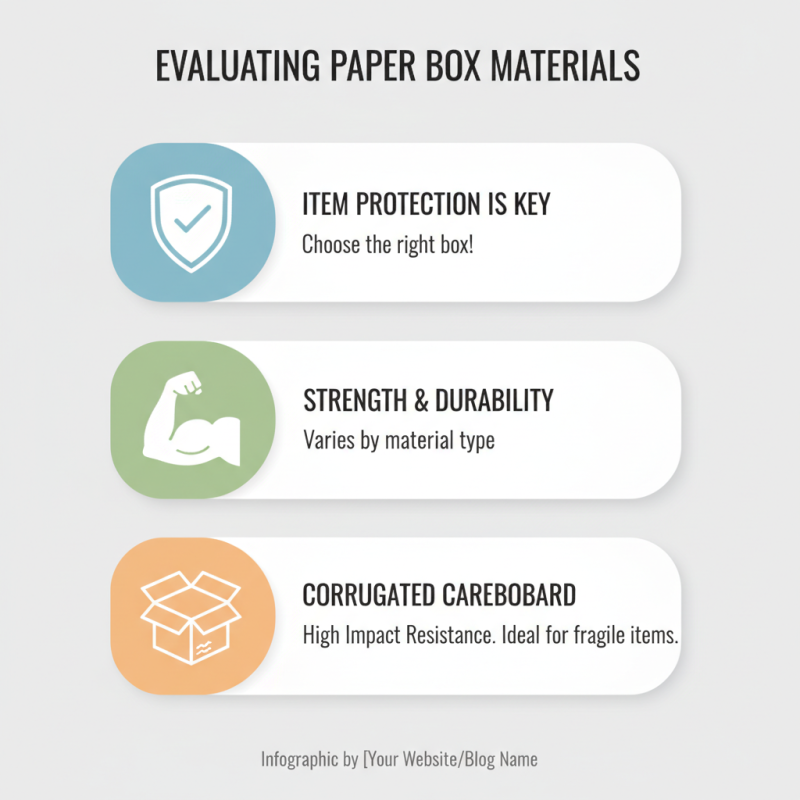
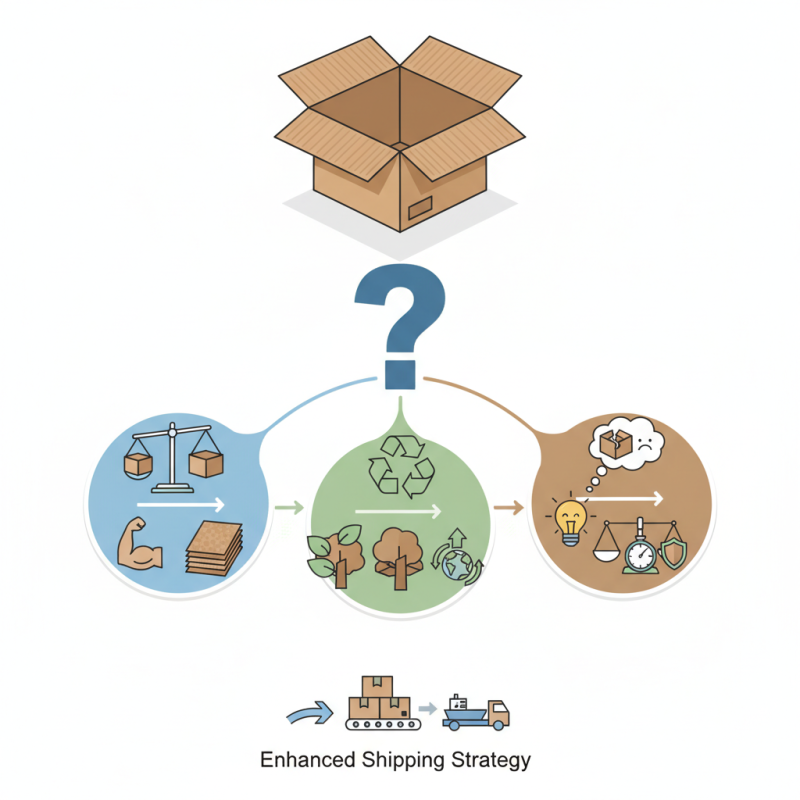
When selecting paper boxes for your packing needs, consider the size and strength. A box that is too large will increase shipping costs, while one that is too small may damage your products. It's essential to evaluate the materials used in the boxes. Not all paper is created equal; some offer better protection than others. You should also think about the sustainability of your choices. Can you find recyclable options?
Reflecting on past experiences can bring valuable insights. Perhaps you’ve encountered issues with certain materials, leading to damaged goods. Learning from such moments can guide your future decisions. The goal is to balance efficiency with reliability. Choosing the right paper boxes can ultimately enhance your shipping strategy.
Understanding the Types of Paper Boxes Available for Packing
When it comes to packing, understanding the types of paper boxes available is essential. Paper boxes come in various styles, including folding cartons, rigid boxes, and corrugated boxes. Folding cartons are lightweight and easy to assemble. They often serve retail products and are great for saving space. However, they may not always provide the best durability for heavy items.
Rigid boxes, on the other hand, offer sturdiness and a premium feel. These boxes are used for high-value items, making them ideal for gifts and luxury products. While they provide excellent protection, they can be more expensive than other options. Corrugated boxes are robust and perfect for shipping. They are made with multiple layers of paper, offering extra cushioning. Yet, their bulkiness can be a drawback, especially for smaller items.
Choosing the right box requires careful thought. Consider the item's size and weight. Think about your budget and how the box will be used. Not all boxes fit every need. Sometimes, a simple design might not be the safest choice. Reflecting on these aspects will lead to more effective packaging decisions.
2026 How to Choose Paper Boxes For Packing Efficiently? - Understanding the Types of Paper Boxes Available for Packing
| Type of Paper Box |
Material |
Weight Capacity (kg) |
Best Use Case |
| Corrugated Box |
Fluted Paper |
30-50 |
Shipping and Storage |
| Rigid Box |
Cardboard |
20-40 |
Retail Packaging |
| Folding Carton |
Paperboard |
5-15 |
Consumer Goods |
| Mailer Box |
Recycled Paper |
10-30 |
E-commerce Shipping |
| Pizza Box |
Fluted Cardboard |
5-10 |
Food Delivery |
Factors to Consider When Selecting Paper Boxes for Your Products
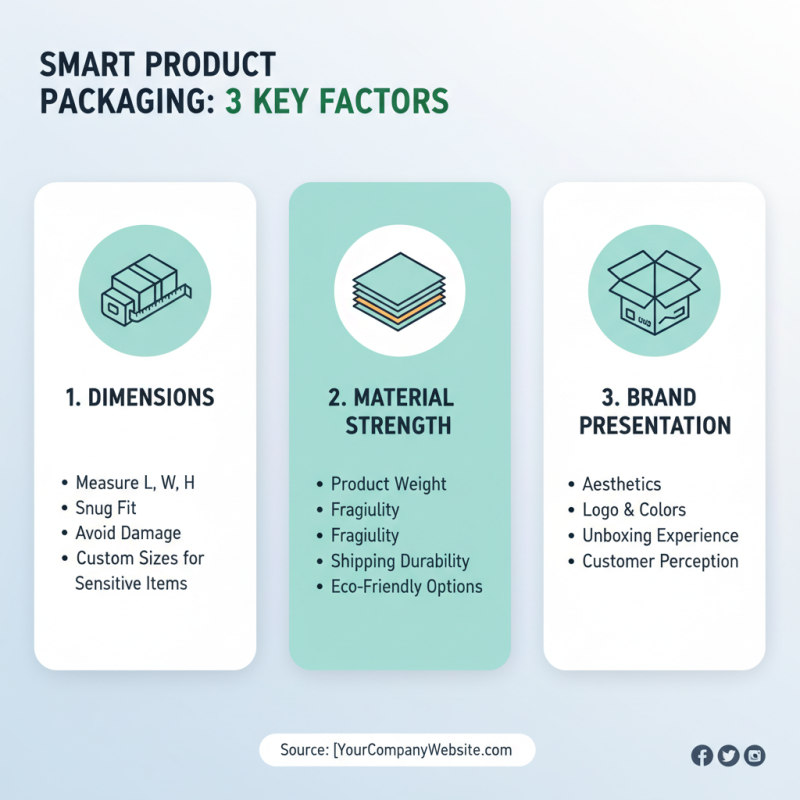
Choosing the right paper boxes for packing is crucial for product safety and presentation. When selecting paper boxes, consider the dimensions of your product. Measure length, width, and height accurately. The box should fit snugly without being too tight. An ill-fitting box can lead to damage during shipping. Ideally, use custom sizes for sensitive items.
Material strength is another factor. Different products require different durability. For heavier items, opt for double-walled or reinforced options. Evaluate the weight and fragility of your products. Sometimes, a thicker paper isn't always the best choice. Balance cost and functionality.
Aesthetics matter too. The design of your box creates the first impression. Choose colors and patterns that reflect your brand. However, keep functionality in mind. Overly elaborate designs may increase costs or complicate packing. Always seek feedback on your box choices. Learning from customer experiences can lead to improvements.
Design and Size: Tailoring Paper Boxes for Efficient Packing
Choosing the right paper box for packing is essential for efficiency. The design and size of the box significantly impact shipping costs and product safety. According to recent industry reports, 30% of shipping costs stem from improperly sized packaging. This suggests that tailoring box dimensions to fit products closely can help save on expenses.
When considering design, strength and durability are critical. Boxes shouldn't be oversized, as they can lead to damage during transit. A well-fitted box reduces movement and minimizes the risk of breakage. Studies indicate that using the right box size can lower damage rates by up to 25%.
However, achieving the perfect fit can be challenging. Overpacking or underpacking may lead to waste. It requires a balance between aesthetics and functionality. An ideal design should maintain structural integrity while appealing visually. Reflecting on past projects that fell short of these goals can help identify what to improve.
2026 How to Choose Paper Boxes For Packing Efficiently?
This chart illustrates the various paper box sizes and their efficiency in packing different types of products. The effectiveness is measured based on optimal space utilization and protection offered to the products during transportation.
Cost-Effectiveness: Budgeting for Quality Paper Packaging Solutions
When considering paper boxes for packing,
cost-effectiveness is crucial. Quality packaging can reduce waste
and improve customer satisfaction.
According to a recent industry report, 70% of consumers prioritize
packaging durability. This shows that investing in quality materials pays off.
Budgeting for paper packaging solutions requires weighing quality against costs.
Cheaper options may lead to higher damage rates. In fact, damaged goods can result in a loss of up to
30% in revenue. Therefore, finding a balance is key.
Tips: Evaluate suppliers’ past performance.
Check if they have experience in your industry.
Consider sourcing locally to save on shipping costs. Look for bulk purchasing opportunities, which often lower
the price per unit. Always review samples before making a large investment.
It’s essential to avoid the temptation of going for the cheapest option, as this could lead to
future losses and
customer dissatisfaction. Make informed choices for
sustainable growth.