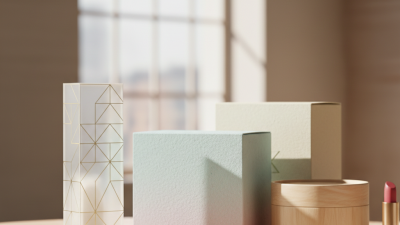
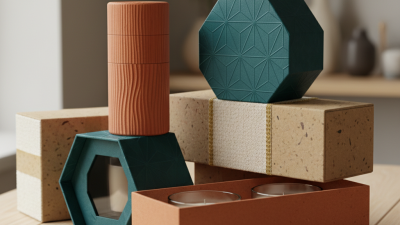
Top Cosmetic Packaging Box Designs for Global Buyers?
In the competitive world of cosmetic packaging, design plays a crucial role. According to Sarah Thompson, a leading expert in cosmetic packaging design, “An effective Cosmetic Packaging Box not only attracts consumers but also enhances their overall brand experience.” This highlights the importance of innovative designs that resonate with buyers.
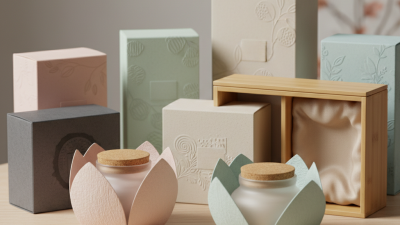
The right packaging can influence purchasing decisions. Buyers want something that stands out on shelves. Cosmetic Packaging Boxes that offer a unique unboxing experience can create lasting impressions. However, simplicity is just as vital. A sleek, minimalist design often appeals to consumers looking for quality.
Yet, challenges remain in balancing creativity and functionality. Some designs may look stunning but fail in practical use. Experts warn against overly complex structures that frustrate users. Striking the right balance between aesthetic appeal and usability is essential for brand success. Engaging with customer feedback can provide insights for improvement.
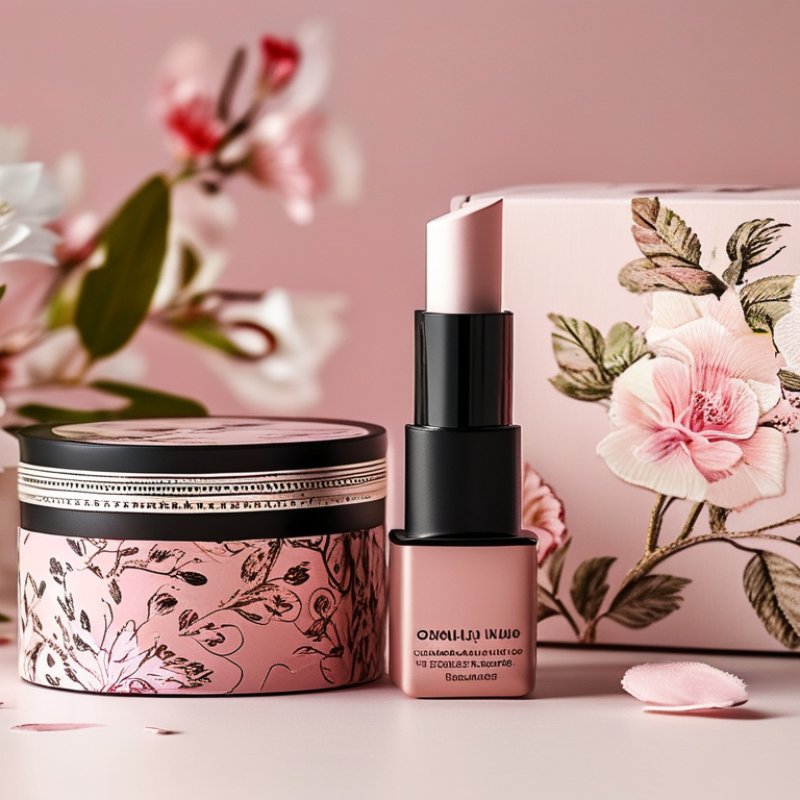
Top Innovative Trends in Cosmetic Packaging Designs for 2023
In 2023, the cosmetic packaging industry is experiencing groundbreaking innovations. The rise of sustainable materials is a prominent trend. According to a recent report by Smithers Pira, eco-friendly packaging will dominate the market, accounting for around 30% of sales by the end of the year. Brands are seeking biodegradable and recyclable options. This shift not only meets consumer demand but also aligns with environmental goals.
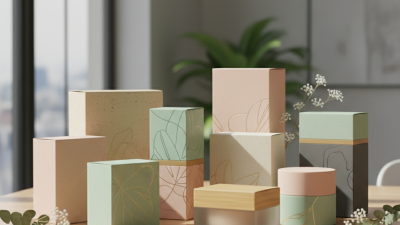
Another impactful trend is minimalist design. Reports indicate that consumers prefer simple, elegant designs that communicate brand values without clutter. Clean lines and muted colors attract modern buyers. Research shows that minimalist packaging can enhance brand perception, leading to a 25% increase in purchase intent. However, this trend raises questions about originality. Are brands relying too heavily on simplicity, leading to a lack of uniqueness?
Furthermore, personalized packaging continues to gain traction. Customization fulfills the consumer's desire for individuality. Data from Mintel indicates that 50% of consumers are willing to pay more for personalized packaging. Creating unique experiences can differentiate products in a saturated market. Yet, the challenge lies in balancing personalization with production efficiency. Brands must carefully consider the implications of bespoke designs on scalability and cost.
Sustainable Packaging Solutions: Eco-Friendly Materials in the Cosmetic Industry
The cosmetic industry is making significant strides in sustainable packaging. Eco-friendly materials are now becoming essential for brands aiming to attract environmentally-conscious consumers. According to a recent survey, 70% of global buyers prefer products with sustainable packaging. This shift is pushing brands to reconsider their packaging designs.
Biodegradable materials, such as plant-based plastics and recycled paper, are gaining traction. These solutions not only reduce carbon footprints but also enhance brand image. A report by the Green Packaging Association reveals that sustainable packaging can increase sales by 30%. Despite these benefits, some companies struggle to implement eco-friendly practices. This often leads to challenges in maintaining product safety and aesthetics.
Tip: When designing sustainable packaging, explore innovative materials that maintain product integrity. Prioritize transparency in sourcing to build consumer trust. Remember, finding the right balance between sustainability and functionality is key. Another consideration is cost; eco-friendly materials can be more expensive, affecting your bottom line. Always calculate the long-term benefits against initial investments to make informed decisions.
Impact of Customization on Consumer Experience in Cosmetic Packaging
In the world of cosmetics, packaging plays a crucial role in shaping consumer experiences. Customized packaging not only enhances the aesthetic appeal but also creates a sense of exclusivity. Shoppers are drawn to unique designs that reflect their personal style. This connection fosters emotional engagement, making them more likely to make a purchase.
Tips: Consider the color palette carefully. Different shades evoke various emotions. Use materials that align with sustainability trends. Consumers appreciate eco-friendly choices. Go for designs that are functional yet eye-catching. A great balance pulls in prospective buyers.
The impact of customization extends beyond appearance. It affects the overall perception of a brand. Consumers often associate high-quality packaging with quality products. However, not all customizations bring positive feedback. Sometimes, overly complex designs can confuse potential buyers. Simplicity can be key.
Finally, remember that consumer preferences change. Stay updated with trends and be willing to adapt. Listen to customer feedback. It's essential to refine and improve packaging designs continuously. This attention to detail can significantly boost customer satisfaction.
Top Cosmetic Packaging Box Designs and Their Impact on Consumer Experience
Tech-Integrated Packaging: Enhancing Engagement Through Smart Features
In today's cosmetic packaging landscape, tech-integrated options are rising. These smart features elevate brand experiences and enhance consumer engagement. According to a recent report by Grand View Research, the global smart packaging market is expected to reach $31.1 billion by 2027, growing at a CAGR of 6.2%. This growth reflects the increasing demand for enhanced user interactions.
Smart packaging allows brands to integrate QR codes, NFC technology, and augmented reality elements into their designs. Such features engage consumers in novel ways and facilitate product interaction. For instance, a product with AR features can offer tutorials or skin assessments. This level of interaction can boost consumer confidence and drive sales.
When designing packaging, brands should keep user experience at the forefront. Here are a few tips:
- Incorporate clear instructions for any tech features to prevent user frustration.
- Conduct user testing to understand what resonates.
- Regularly update content linked to smart features, keeping engagement fresh.
While tech integration offers many advantages, it also poses challenges. Not all consumers are tech-savvy; some may find advanced features overwhelming.
Striking a balance between innovation and usability is crucial.
Market Analysis: Consumer Preferences Driving Cosmetic Packaging Choices
The cosmetic packaging market is evolving rapidly. Recent research shows that over 60% of consumers consider packaging a key factor in their purchase decisions. This demand emphasizes the need for brands to prioritize not just aesthetics but also functionality and sustainability in their packaging designs.
Sustainability is more than a trend; it's a necessity. According to a report by McKinsey, 75% of consumers are willing to pay more for eco-friendly packaging. Brands that embrace biodegradable materials or reusable designs gain a competitive edge. This shift also reflects a broader societal trend toward responsible consumption. However, many brands still face challenges in sourcing sustainable materials that meet consumer expectations.
Tip: Balance practicality with innovation. Brands should explore unique textures and finishes that draw the eye but remain user-friendly. Consider minimalist designs that allow the product to shine. Remember, less can often be more in cosmetic packaging. As market preferences shift, ongoing research is crucial to keep up with changing consumer values. Adaptability is key for maintaining relevance in this dynamic industry.
Top Cosmetic Packaging Box Designs for Global Buyers
| Design Type |
Material Used |
Target Market |
Sustainability Score |
Consumer Appeal |
| Luxury Box |
Rigid cardboard |
High-end market |
4.5/5 |
Highly appealing |
| Eco-friendly Box |
Recycled paper |
Eco-conscious buyers |
5/5 |
Very appealing |
| Minimalist Design |
Cardboard, glass |
Young consumers |
4/5 |
Moderately appealing |
| Vintage Style |
Tin, glass |
Older demographics |
3.5/5 |
Appealing |
| Modern Sleek |
Plastic, acrylic |
Urban professionals |
4.2/5 |
Highly appealing |