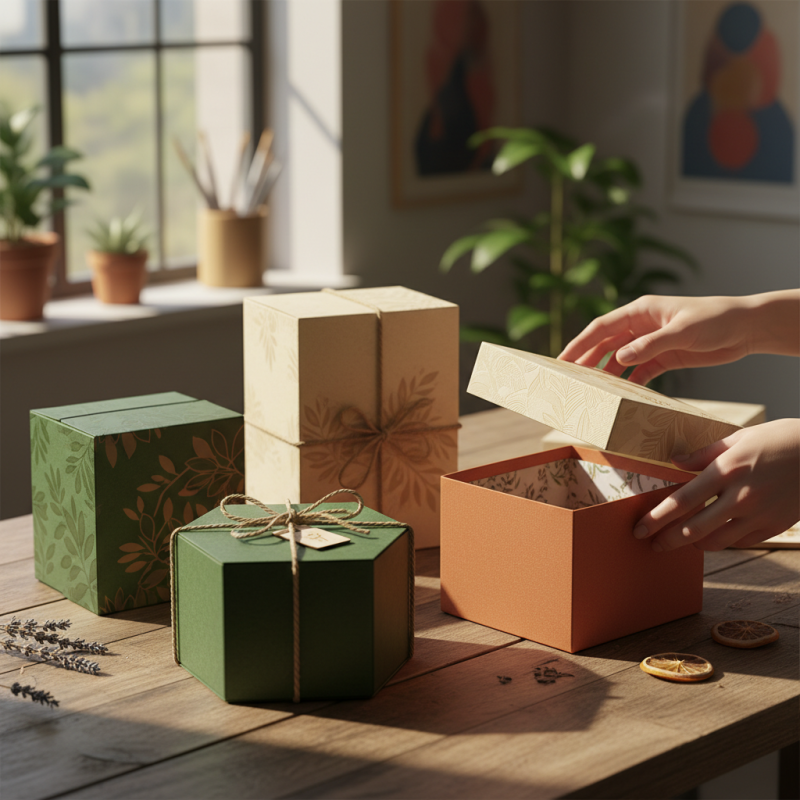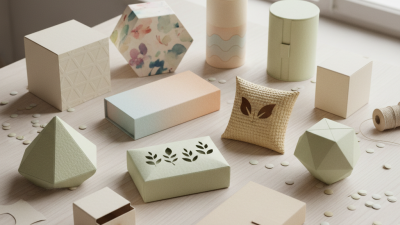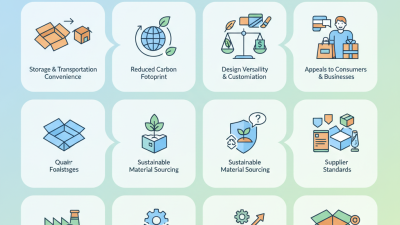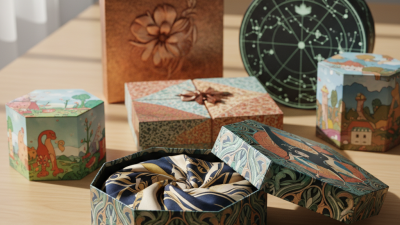
Creating a Personalized Paper Box requires a thoughtful approach. It’s not just about aesthetics; it’s also about functionality and branding. A well-designed box reflects your brand’s identity and appeals to your audience.
The process begins with understanding your target market. What do they value? What designs resonate with them? Knowing this ensures your Personalized Paper Box will stand out. Choose materials that align with your brand values. Eco-friendly options are increasingly popular and can enhance your image.
Don’t forget about the unboxing experience. Customers often share their experiences on social media. A unique, personalized box can lead to organic promotion. It's essential to refine your design over time. Gather feedback and understand what works and what doesn’t. This iterative process will help you create better, more effective designs.
A personalized paper box plays a crucial role in shaping brand identity. It goes beyond mere packaging; it tells a story. The design should reflect the brand's values and mission. Color, typography, and materials must align with the overall message. Consumers connect with visuals that resonate with their preferences. Unique designs can capture attention and create lasting impressions.
Consider the use of textures and finishes. They add depth and intrigue. A matte finish can exude sophistication, while vibrant colors may convey energy. Imbalances in design can lead to confusion. Brands must avoid cluttered visuals. Simplicity often speaks louder, allowing key elements to shine. Strive for a harmonious balance that invites customers into your brand story.
Personalization fosters emotional connections. Names or tailored messages can make customers feel valued. However, it’s vital to maintain quality. A poor presentation can backfire, damaging the brand's image. Reflect on your design choices carefully. Seek feedback and be ready to iterate. It's an ongoing process that enhances both product appeal and brand loyalty.
When designing a personalized paper box, several key factors can influence its effectiveness. The first step is to understand the target audience. Knowing their preferences shapes the design elements. For example, color schemes and graphics should resonate with customers. If the design feels off, it can misrepresent the brand. Emotional connections are vital. Engaging the audience creates a memorable unboxing experience.
Another crucial aspect is functionality. A well-designed box must not only look attractive but also serve its purpose. Measurements should be precise to ensure a perfect fit for the product inside. An ill-fitting box can lead to damage and dissatisfaction. Reflecting on past designs can reveal lessons. What worked? What didn't? Iterating on ideas based on feedback enhances future designs.
Sustainability is also becoming a vital consideration. Eco-friendly materials attract environmentally conscious consumers. The choice of paper and printing processes matters. Design teams need to balance aesthetics with environmental impact. It’s a challenge but essential for modern brands. These factors contribute significantly to the overall success of custom paper box design.
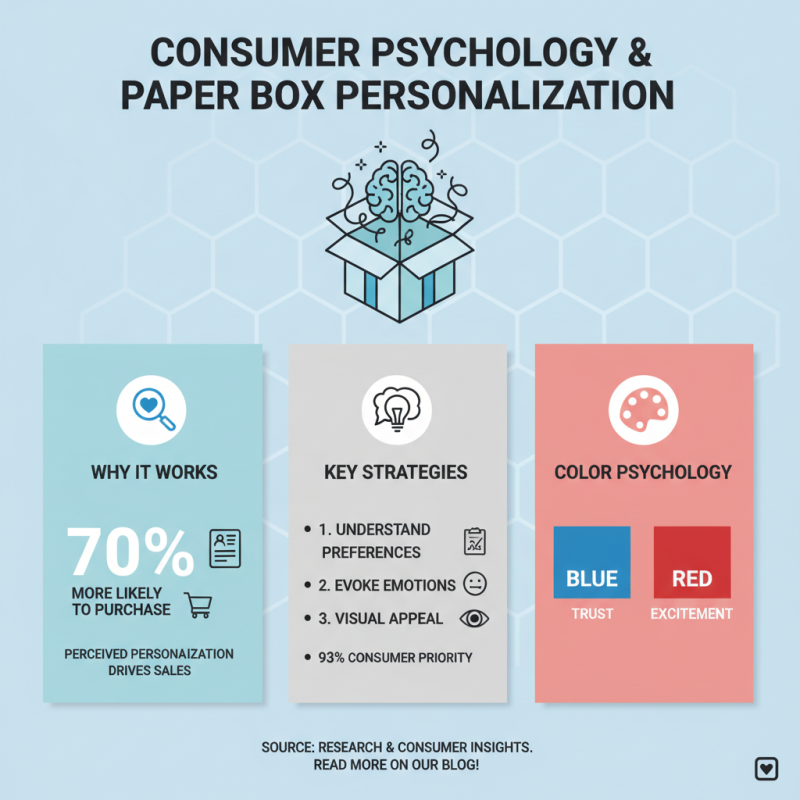
When designing personalized paper boxes, integrating consumer psychology is crucial for success. Research indicates that 70% of consumers are more likely to purchase from brands they perceive as personalized. Effective personalization strategies rely on understanding customer preferences and emotions. Visual appeal plays a significant role, as 93% of consumers prioritize aesthetics in their buying decisions. Use colors that evoke desired feelings: blue for trust, red for excitement.
Tip: Incorporate clear and engaging typography. A font that resonates with your target market can enhance the emotional connection. Make sure your design aligns with your brand’s voice. Inconsistency can create confusion and distrust among consumers.
Moreover, considering the unboxing experience can enhance customer satisfaction. Studies show that consumers are 60% more likely to share their positive experiences on social media when the unboxing is memorable. Use high-quality materials and thoughtful packaging details to create surprise and delight. However, be cautious; over-personalization can backfire. Data privacy concerns are on the rise, and 40% of consumers express hesitation when brands collect excessive personal information.
Tip: Balance personalization with respecting consumer privacy. This approach builds trust while maintaining engagement.
When designing personalized paper boxes, materials play a crucial role. Opt for recycled paper to minimize environmental impact. This reduces waste and promotes sustainability. Consider using sturdy cardboard for structural integrity. It offers durability while being eco-friendly. Lightweight materials can also be beneficial for shipping costs. However, they must still protect the contents.
Sourcing materials locally can further enhance sustainability. This reduces transportation emissions and supports local economies. Customization is key. Using non-toxic inks for printing ensures safety and eco-friendliness. Some designers incorporate plant-based or biodegradable coatings. These options appeal to eco-conscious consumers.
Reflecting on challenges can guide your design process. Sourcing sustainable materials might be more expensive upfront. Balancing cost and sustainability requires careful planning. Testing different materials can lead to unexpected results. A thoughtful approach leads to better designs that resonate with your audience. Embrace the journey, learn from each step, and strive for excellence in every detail.
Designing personalized paper boxes requires a strategic approach. Incorporating data-driven insights helps enhance design effectiveness. Research indicates that personalized packaging can boost customer engagement by up to 40%. This statistic underscores the importance of using data to refine designs.
Understanding customer preferences is key. Surveys show that 65% of consumers feel more connected to brands that use personalized packaging. Tracking metrics like customer feedback and purchase behavior enables brands to tailor designs accordingly. For example, adjusting colors or themes based on demographic data can create a more resonant experience.
However, challenges often arise. Balancing personalization with production cost can be difficult. Teams must analyze data on customer behavior while ensuring costs remain manageable. Careful evaluation of designs against real-time data can reveal areas for improvement. While personalized packaging can drive sales, it may require iterative testing and reflection on effectiveness.
| Tip Number | Tip Description | Data Insights | Expected Impact |
|---|---|---|---|
| 1 | Utilize Customer Preferences | 75% of customers prefer personalized packaging | Increase in customer satisfaction and repeat purchases |
| 2 | Incorporate User Feedback | 70% of customers would recommend brands that listen to feedback | Enhanced brand loyalty |
| 3 | Offer Customization Options | 60% of consumers value customization | Higher conversion rates |
| 4 | Use Analytics Tools | Data analysis can predict customer behavior with 80% accuracy | More effective marketing strategies |
| 5 | Test Different Designs | A/B testing can improve design effectiveness by 40% | Improved customer engagement |
| 6 | Focus on Sustainability | 55% of consumers prefer eco-friendly packaging | Boosts brand reputation |
| 7 | Incorporate Multi-Sensory Elements | Enhances the unboxing experience | Increases social media sharing |
| 8 | Use High-Quality Printing | High-quality design increases perceived value | Improves customer trust |
| 9 | Enhance Functional Design | 85% of consumers value packaging functionality | Reduces product damage during shipping |
| 10 | Leverage Social Media Trends | Companies engaging with trends increase visibility by 50% | Boosts brand awareness |