Leave Your Message

Why Choose Folded Packaging for Global Shipping?

Global shipping demands packaging that protects products without consuming unnecessary space. Folded Packaging offers a practical response. It arrives flat, stores efficiently, and can be assembled close to dispatch. This matters when warehouses manage thousands of cartons, labels, and changing order volumes.

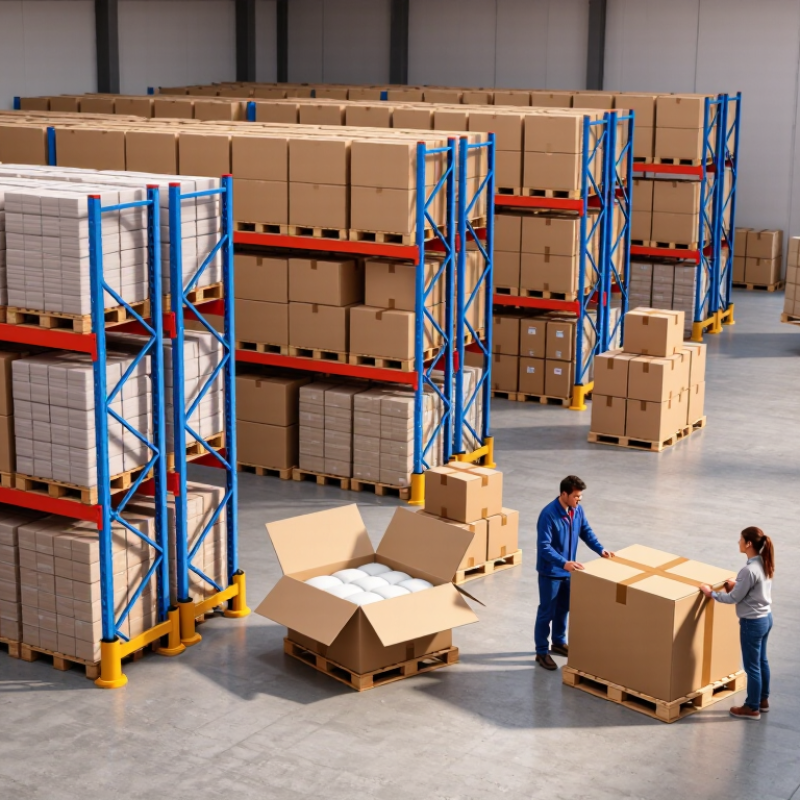
In real operations, a folded carton can reduce storage pressure and improve pallet use. A box that lies flat may occupy only a fraction of its assembled volume. Workers can unfold it, secure the base, and add suitable cushioning within seconds. The right board grade also helps resist compression, vibration, and humidity during long transport routes. These details influence product condition, handling time, and total shipping cost.

Still, Folded Packaging is not automatically the best choice. Heavy machinery, fragile instruments, or irregular products may require reinforced structures. Poorly matched dimensions can create movement inside the box. That mistake is easy to overlook. Reliable decisions should follow product testing, stacking trials, moisture checks, and documented supplier specifications. Packaging teams should also review recycled content, print quality, closure strength, and the needs of different transport modes. Standards and destination requirements can vary, so professional review remains important. This article explores why folded formats support global distribution, where they perform well, and when another packaging design may offer better protection. Performance should guide the decision, not appearance alone.

Why Choose Folded Packaging for Global Shipping?

What Is Folded Packaging and How Does It Work?

Why Choose Folded Packaging for Global Shipping?

What Is Folded Packaging and How Does It Work?

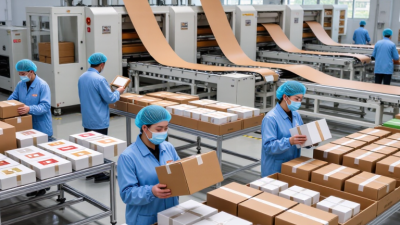
Folded packaging uses flat paperboard or corrugated sheets. Manufacturers print, die-cut, and score each sheet. The scores create controlled hinges. Machines fold panels along those lines. Glue, tabs, or locks hold the final shape. A flat blank becomes a carton, mailer, or shipping case. It travels flat and gets assembled near use. This reduces warehouse space and unnecessary transport volume.

For global shipping, structure matters more than appearance. Corrugated flutes resist compression, while folded panels support stacked loads. The European Federation of Corrugated Board Manufacturers reported about 50.5 billion square metres of corrugated board production in Europe in 2022. That scale shows continued demand for lightweight protective formats. Designers should match board grade, dimensions, and closure style to route risks. Sea transport needs moisture resistance and stable stacking. Parcel delivery needs stronger corners and secure edges.

It is not flawless. A flat box can still fail after repeated handling. The United Nations Environment Programme’s 2023 Turning off the Tap report says plastic pollution could be reduced by 80% by 2040 through systemic changes. Clean paper packaging may support recycling, but coatings and mixed materials complicate recovery. Trial packing, compression testing, and ISTA procedures reveal weak points. Slightly awkward testing early can prevent costly damage later.

How Folded Packaging Improves Shipping Efficiency

Folded packaging improves shipping efficiency by changing the package before it reaches the truck. Flat cartons occupy little shelf space. They can be stacked in narrow warehouse aisles and shipped in larger quantities. This reduces handling and replenishment pressure. The Pitney Bowes Parcel Shipping Index 2023 recorded 161.8 billion parcels worldwide in 2022. More parcels mean greater value in every saved cubic centimeter.

At the packing bench, workers fold cartons only when orders are ready. This approach can reduce unused warehouse volume and simplify inventory planning. Right-sized dimensions also limit air inside each parcel. That may allow more packages per pallet, container, or delivery vehicle. Small gains become meaningful at scale. However, folded packaging is not automatically efficient. Poorly chosen board can crease, split, or require extra protective material.

The U.S. Environmental Protection Agency reported 82.2 million tons of containers and packaging waste generated in 2018. This figure shows why material efficiency deserves practical attention. Testing remains essential. ISTA distribution testing can examine compression, vibration, drops, and temperature exposure. A carton that saves space but fails after a short journey creates more waste, not less. Designers should measure flat-pack volume, folded strength, packing time, and damage rates together. Perfect right-sizing is unrealistic. Real supply chains are less tidy. Wet loading docks, rushed workers, and uneven pallets can expose weak decisions. Folded packaging works best when its structure matches the product, route, and handling conditions.

Why Choose Folded Packaging for Global Shipping? - How Folded Packaging Improves Shipping Efficiency

Shipping Metric Folded Packaging Assembled Packaging Efficiency Benefit
Pre-shipment volume Primarily a flat stack of panels before assembly Retains its three-dimensional shape during transport More available cargo space for products instead of empty package volume
Stacking efficiency Flat blanks can usually be stacked closely, subject to design and material thickness Empty internal space may remain between packages Improves pallet and container cube utilization when the design is optimized
Storage requirement Requires a flat storage area and protection against moisture and crushing Requires storage space matching the assembled package footprint and height Can reduce warehouse volume before final assembly
Container loading Flat geometry is easier to arrange in regular layers Irregular voids can occur around assembled shapes Supports more predictable load planning and carton counts
Assembly stage Requires manual or automated folding and closure before use Usually ready for filling immediately after delivery Shipping savings must be balanced against assembly labor and equipment
Dimensional control Fold lines, locking tabs, and material thickness determine final dimensions Shape is established before shipment Accurate dielines help reduce unused space and dimensional-weight exposure
International freight impact Lower empty-package cube can reduce space-based freight costs Higher package cube may increase space consumption Particularly useful for long-distance sea, air, and multimodal transport
Damage considerations Flat parts can be protected with rigid outer sheets, correct pallet stacking, and moisture control Assembled units may provide immediate shape retention but still require appropriate protection Packaging performance depends on board grade, stacking pattern, closures, and handling conditions
Best-fit applications Retail cartons, mailers, sleeves, inserts, trays, and other die-cut formats Applications where immediate deployment or pre-formed protection is the priority Select folded formats when transport cube and warehouse space are major cost drivers
Planning note: Actual freight savings vary according to package dimensions, board thickness, stacking strength, pallet pattern, destination, transport mode, and carrier dimensional-weight rules. Folded packaging reduces shipping volume only when the flat-pack design is properly optimized and protected during handling.

Which Materials and Designs Suit Global Transport?

Folded packaging must survive more than a warehouse shelf. It may face seawater humidity, vibration, compression, and sudden drops. UNCTAD reports that about 80% of global merchandise trade by volume moves by sea. Therefore, moisture resistance and stacking strength deserve serious attention. Corrugated fiberboard suits many shipments because it is light, printable, and widely recyclable. Higher edge-crush strength helps when cartons are stacked for weeks. However, recycled fibers can lose performance in damp conditions. That weakness is easy to underestimate.

Design should match the journey, not only the product. A flat-fold carton reduces storage volume and can lower empty-space costs. Locking tabs, reinforced corners, and molded-pulp inserts can replace plastic cushioning in many applications. Honeycomb board may support heavier items without adding excessive weight. The right choice depends on weight, dimensions, handling points, and expected humidity. ISO 18601 and ISTA test methods provide useful frameworks for evaluating packaging performance before shipment. Testing should include compression, vibration, and controlled drops. Laboratory results still need practical review.

The World Bank’s 2023 Logistics Performance Index highlights continuing differences in customs, infrastructure, and delivery reliability worldwide. Packaging should allow for those uneven conditions. A carton designed for a short domestic route may fail after repeated transfers. I have seen small design changes matter: a wider locking tab, a tighter insert, or two millimeters of extra clearance. Yet stronger packaging is not automatically better. More material can increase freight weight and waste. The honest answer is sometimes uncomfortable: the first prototype may look efficient, but real-route testing can prove otherwise.

How Folded Packaging Protects Products Across Supply Chains

Folded packaging protects products by controlling movement, pressure, and contact during long supply chains.

A flat-packed design uses scored panels that become rigid walls, corner buffers, or internal dividers after assembly. These folds can keep a glass container away from outer surfaces. They can also reduce empty space, limiting harmful movement during vibration and sudden drops.

Global parcel networks create demanding conditions. The Pitney Bowes Parcel Shipping Index 2023 recorded 161.8 billion parcels worldwide in 2022. Each parcel may face sorting belts, vehicle vibration, stacking, and repeated manual handling. Folded structures help distribute compression across broad panels instead of one fragile point. Correctly placed locking tabs also reduce the need for loose fillers. Small details matter.

Humidity remains a difficult variable. The World Bank’s Logistics Performance Index 2023 highlights uneven shipment reliability and visibility across countries. A package may wait in a humid warehouse, then move through a dry, hot vehicle. Folded packaging can include moisture-resistant coatings, raised product supports, and ventilation gaps. However, folding alone cannot solve every risk. A neat carton is not proof of protection. Packaging teams should test the assembled format under ISTA-style drop, vibration, compression, and atmospheric conditions. The imperfect part is useful: testing often reveals weak score lines, loose tabs, or insufficient clearance. Design should improve from those failures, not hide them.

What Factors Should Businesses Consider Before Choosing It?

Why Choose Folded Packaging for Global Shipping?

Before choosing folded packaging, businesses should test the journey, not just the package. A flat-packed carton saves warehouse space and can reduce shipping volume. However, thin board may buckle under stacked pallets. Measure compression strength, edge crush resistance, moisture tolerance, and drop performance. International Safe Transit Association testing methods can reveal weaknesses before commercial shipment.

Material selection also needs evidence. The OECD’s Global Plastics Outlook reported 353 million tonnes of plastic waste in 2019, with only 9% recycled. Folded paperboard can support easier fiber recovery, but recyclability depends on coatings, adhesives, inks, and local collection systems. A glossy moisture barrier may protect frozen goods, yet complicate recycling. That trade-off is easy to miss.

Cost calculations should include more than the unit price. The World Bank’s What a Waste 2.0 estimates 2.01 billion tonnes of municipal solid waste are generated worldwide each year. Packaging that uses less material can help, but damaged goods create additional waste and replacement freight. Businesses should compare board grades, assembly labor, pallet density, customs labeling, and destination climates. A carton tested in a dry warehouse may soften after several days near a humid port. It happens. Small pilot shipments, real temperature exposure, and documented test results provide stronger evidence than attractive samples. Rules also vary by destination, so confirm material claims with qualified packaging and compliance specialists.

Why Choose Folded Packaging for Global Shipping?

Container selection and pallet compatibility are important factors when evaluating folded packaging for international distribution. The chart compares approximate internal capacities of common dry freight containers.

What to consider: Folded packaging can reduce storage space before assembly, but businesses should validate board strength, moisture protection, dimensional stability, pallet fit, customs requirements, and the available volume in each transport mode.