

Green transformation is accelerating, and smart technology is rising
1. Driven by environmental protection policies and material innovation, the industry is ushering in a green revolution
Policy increase
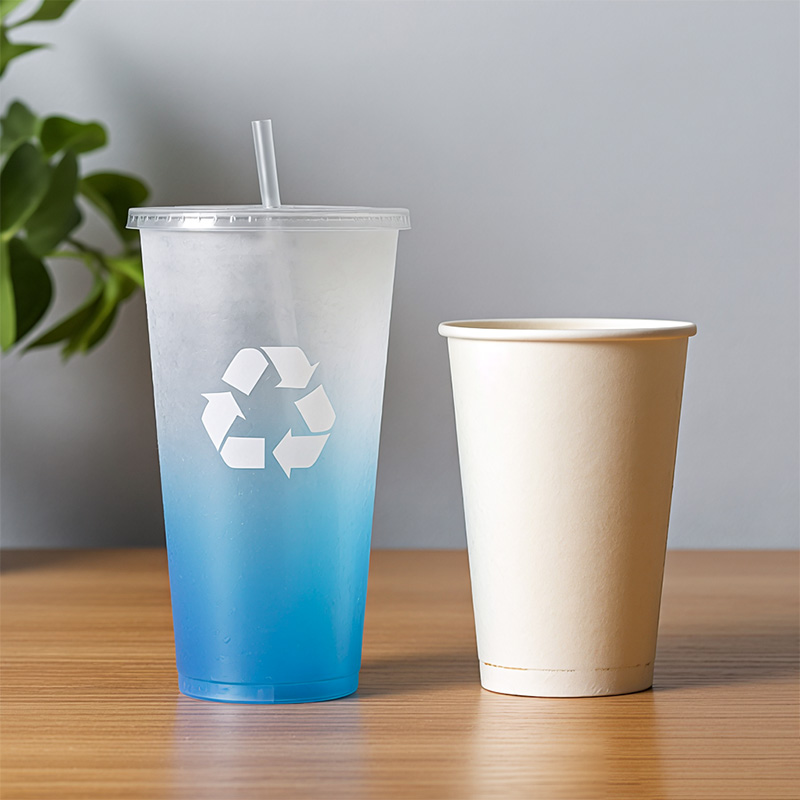
Domestic: The National Development and Reform Commission has made it clear that a comprehensive express green packaging standard system will be established by the end of 2025, toxic packaging materials will be banned, and recyclable packaging will be promoted. For example, the proportion of recyclable packaging for intra-city express delivery must reach 10%, and the phenomenon of excessive packaging in e-commerce will be focused on rectification.
International: Although the global negotiations on plastic pollution control have not reached a final agreement, it is determined that the meeting will be resumed in 2025, and countries have reached a consensus on limiting plastic pollution. The EU's "plastic restriction order" has reduced the use of traditional PE plastic bags in supermarkets by 72%, and China's PLA (polylactic acid) degradable material production capacity has surged. The revenue of the leading company Kingfa Technology in 2024 will increase by more than 40% year-on-year.
Material technology breakthrough
Degradable materials: The "PLA+PBAT blended film" developed by Fengyuan Group has a tensile strength of 45MPa, close to the 50MPa of traditional PE, and has been applied on a large scale in the nut packaging of Bestore.
Single material packaging: Mondi launches recyclable cooking packaging to replace traditional aluminum foil materials; Amcor's sustainable composite film packaging reduces carbon emissions by 44%, which is suitable for the fields of medicine and health products.
Cost optimization: By replacing corn starch with straw, Kingfa Technology has reduced the cost of PLA materials to 18,000 yuan/ton, which is still twice as expensive as traditional PE materials, but is close to the critical point of large-scale commercial use.
2. Deep integration of smart packaging and circular economy, technology empowerment value enhancement
Market scale explosion
It is estimated that the scale of China's smart packaging market will reach 120 billion yuan in 2025, of which the pharmaceutical, liquor and luxury goods sectors will contribute 75% of revenue. The RFID chip wine bottle customized by Yutong Technology for Moutai has reduced the circulation rate of counterfeit wine by 63%.
Cross-border e-commerce drive: E-commerce packaging orders in the Southeast Asian market increased by 29% year-on-year, and the recycling rate of Cainiao Network's "Packaging as a Service" model increased to 81%, reducing carbon emissions by 120,000 tons annually.
Highlights of technological innovation
Digital twin: Origin shortened the production line commissioning cycle from 30 days to 7 days, and the yield rate increased to 99.3%.
Blockchain traceability: Sealed Air's smart cold chain box reduces the loss rate of fresh food from 15% to 4% and the damage rate to 0.3%.
Personalized customization: Generation Z is willing to pay for smart packaging with a design premium of 20%. Xiaomi's ecological chain companies launched voice interactive packaging boxes, with daily sales exceeding 100,000 pieces.
3. Market demand stratification, corporate competition intensified
E-commerce and consumption upgrade
Fresh food packaging: The penetration rate of food-grade paper boxes and antibacterial packaging exceeds 35%. Meituan's "Qingshan Plan" has pushed the cost of environmentally friendly lunch boxes down to 0.8 yuan/piece, close to traditional plastics.
Luxury goods and electronic packaging: Huawei and Apple use bamboo fiber composite materials, which increase compressive strength by 40%; high-end smart device packaging must have both anti-theft and anti-counterfeiting functions.
Corporate dynamics and challenges
International giants shrink: Tetra Pak closes its Dijon factory in France (lays off 207 employees), but the Chinese market is stable and plans to launch its first carbon neutral base in 2025.
Local enterprises break through: Zijiang Enterprise and Origin occupy the paper packaging market through the layout of the entire industrial chain, with a stable gross profit margin of 22%-25%; foreign-funded Sealed Air launches quantum encryption cold chain packaging, with a premium rate of 35%.
IV. Future trends and investment directions
Technology positioning
Key layout: biodegradable material modification technology (such as PLA cost optimization), RFID chip miniaturization, low-weight and high-strength pulp process.
Risk warning: smart packaging data security compliance challenges, biodegradable material overcapacity risk.
Regional and policy dividends
Midwest opportunities: Hubei Greenme recycled plastic base has an annual processing capacity of 500,000 tons, driving the raw material cost of local enterprises to drop by 8%.
Subsidy support: In 2025, the application for the "Bamboo instead of Plastic" demonstration project will be launched, and bamboo fiber packaging companies can strive for 15%-20% special subsidies.
Industry summary: In 2025, the packaging industry will show the triple trends of "greening, intelligence, and scenario-based". Enterprises need to balance environmental compliance and technological innovation, and seize the dual-wheel drive opportunities of consumption upgrading and policy support.