Best Folding Paper Box Designs for Eco-Friendly Packaging Solutions?
The demand for eco-friendly packaging solutions is surging. Among these solutions, the Folding Paper Box stands out as a sustainable option. According to a report by Smithers PIRA, the global market for paper packaging is expected to reach USD 300 billion by 2025. This illustrates a growing trend toward environmentally responsible products.
Industry expert Dr. James Ellison notes, "Folding Paper Boxes not only reduce waste, but also enhance brand appeal." His insight highlights the dual benefits of sustainability and marketing. Consumers increasingly prefer brands that prioritize eco-friendly practices. Using these boxes can also lower carbon footprints.
However, the folding paper box industry faces challenges. Not every design meets the standards for durability and recycling. It is vital for brands to evaluate their materials carefully. Striving for perfection requires continual assessment and improvement. By focusing on innovative designs, businesses can ensure they are part of the solution for a greener future.

Innovative Materials for Eco-Friendly Folding Paper Boxes
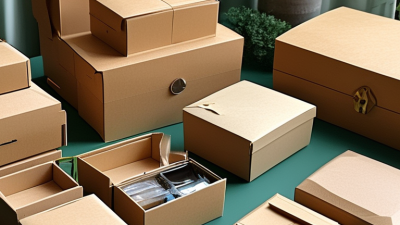
The rise of eco-friendly packaging has led to innovative materials for folding paper boxes. These materials often incorporate recycled paper, which helps reduce waste and conserve resources. Biodegradable inks are also gaining popularity, as they minimize environmental impact and enhance sustainability. Bamboo pulp is another exciting option, known for its rapid growth and renewability.
When designing folding paper boxes, consider the weight and thickness of the paper. Thicker papers provide more strength, but might increase waste during production. Instead, explore lighter materials that still maintain durability. You can also check local availability of sustainable resources. Sourcing materials close to your production site can lower carbon footprints.
Experimentation is key. Not every design will work perfectly the first time. It's essential to revisit prototypes and gather feedback. Trying different shapes and closure types can yield surprising results. Each attempt offers valuable learning opportunities, even when initial outcomes are not ideal. This iterative process ultimately leads to refined, eco-friendly packaging solutions.
Best Folding Paper Box Designs for Eco-Friendly Packaging Solutions
Key Design Elements for Sustainable Packaging Solutions
When considering eco-friendly packaging solutions, the design elements play a crucial role. Effective folding paper box designs must focus on minimalism. A simple structure reduces material usage. Every fold and crease should serve a purpose. This not only lowers costs but also minimizes waste.
Sustainable packaging emphasizes user experience as well. An intuitive design enhances the unboxing moment. Consider the tactile experience of the paper. Textures can convey quality without excessive embellishments. Eye-catching yet environmentally friendly inks can elevate aesthetics. However, the balance between style and sustainability can be challenging.
Additionally, functionality cannot be overlooked. Boxes should be easy to assemble and disassemble. They should also be suitable for various products. Reflections on durability are necessary. A box that crumbles easily may compromise the product inside. The goal is to create a harmonious blend of utility, style, and environmental responsibility. Thoughtful design can achieve this balance, enriching both the product experience and the planet's health.
Benefits of Using Folding Paper Boxes in Eco-Conscious Brands
Folding paper boxes are gaining traction in eco-conscious brands. They offer sustainable packaging solutions that align with consumer demands. According to a recent study, 73% of consumers prefer brands using eco-friendly packaging. This statistic reflects a growing trend toward sustainability in purchasing decisions.
One key benefit of folding paper boxes is their recyclability. These boxes are typically made from renewable materials. This makes them easier to recycle compared to plastic alternatives. Research shows that recycling paper products can save up to 60% of energy compared to producing new materials. Brands adopting these practices can not only reduce waste but also appeal to environmentally aware customers.
However, not all folding paper boxes are created equal. Some designs may use coatings or inks that complicate recyclability. Brands must evaluate their packaging choices carefully. A commitment to truly eco-friendly packaging requires ongoing assessments and improvements. This approach ensures that businesses do not just follow trends but actively contribute to a sustainable future.
Creative Designs to Enhance Functionality and Aesthetics
Folding paper boxes have become popular for eco-friendly packaging. Their designs can enhance both functionality and aesthetics, making them an excellent choice for various products. One creative design is the collapsible box. When empty, it takes up minimal space. Yet, when assembled, it provides sturdy protection. Choosing biodegradable paper elevates this design, making it more sustainable.
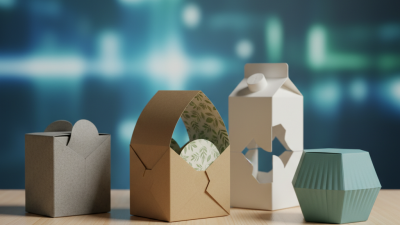
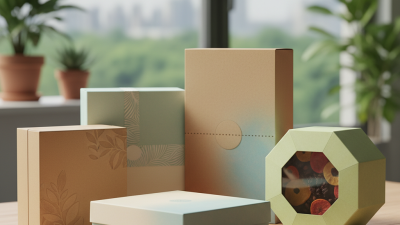
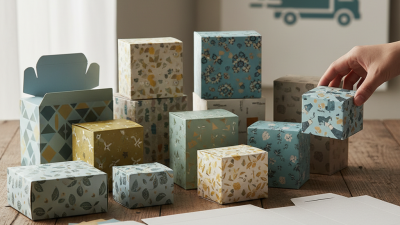
Another appealing option is the windowed box. This design allows visibility of the product inside. Not only does it attract attention, but it also builds trust with consumers. A clever way to enhance aesthetics is by incorporating vibrant colors or unique patterns. These elements can represent the brand’s identity while remaining environmentally friendly. However, striking a balance between beauty and sustainability can be challenging.
While innovation thrives in box design, some aspects require reflection. For example, intricate designs may complicate recycling. Keeping the design simple while maintaining appeal can be tricky. Designers must prioritize usability. They should ask whether the aesthetics compromise the box's functionality. Understanding this balance is vital for truly eco-friendly packaging solutions.
Best Folding Paper Box Designs for Eco-Friendly Packaging Solutions
| Design Name |
Material |
Dimensions (cm) |
Weight (g) |
Recyclable |
Aesthetic Appeal |
| Classic Foldable Box |
Recycled Paper |
20 x 15 x 10 |
50 |
Yes |
Simple and Elegant |
| Windowed Gift Box |
Kraft Paper |
15 x 15 x 15 |
30 |
Yes |
Charming and Displayable |
| Eco-Friendly Pizza Box |
Biodegradable Paper |
30 x 30 x 5 |
80 |
Yes |
Casual and Fun |
| Compact Storage Box |
Sustainable Paperboard |
25 x 10 x 10 |
40 |
Yes |
Minimalist and Functional |
| Custom Design Box |
Recycled Cardboard |
20 x 25 x 20 |
60 |
Yes |
Innovative and Unique |
Case Studies of Successful Eco-Friendly Packaging Implementations
Eco-friendly packaging has gained traction in recent years. Brands are increasingly adopting sustainable practices. One notable case is a small business that shifted to using folding paper boxes. The change not only reduced plastic waste but also resonated with environmentally conscious customers.
This business noticed an uptick in sales after making the change. Their packaging became a talking point among customers. The boxes feature simple designs that are easy to assemble. Despite initial challenges in sourcing materials, the long-term benefits outweighed the difficulties. The shift towards sustainability often prompts reflection. It's essential to assess the entire supply chain.
Another case illustrates a larger company implementing similar changes. They redesigned their packaging to be recyclable and biodegradable. Customer feedback highlighted appreciation for minimizing environmental impact. However, they faced setbacks when some products were damaged due to the new packaging. This led to a need for reevaluation. Companies must balance eco-friendliness with practicality. Engaging in these practices fosters brand loyalty while encouraging a broader conversation on sustainability.