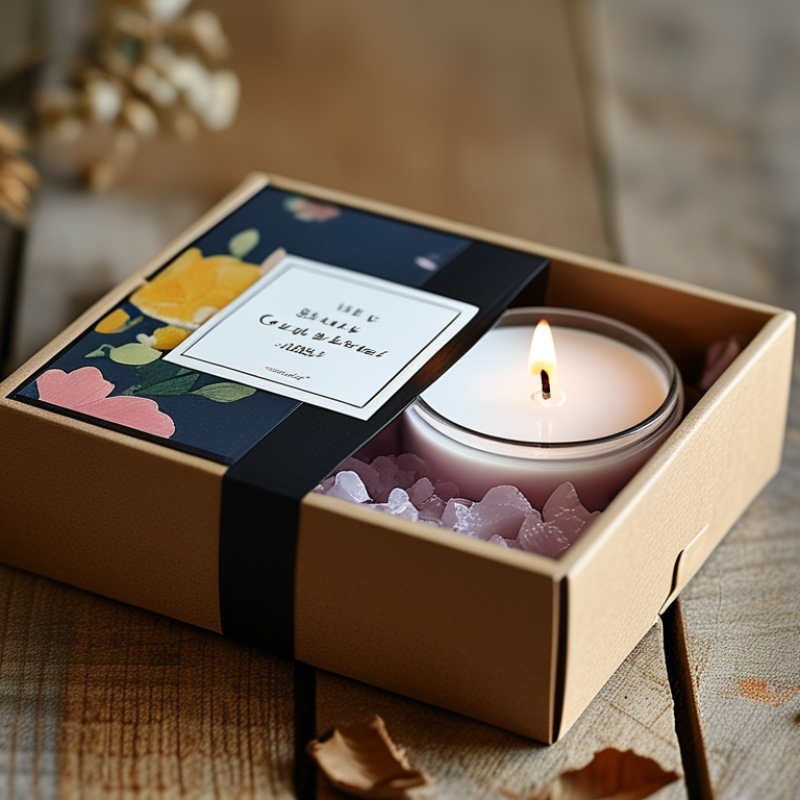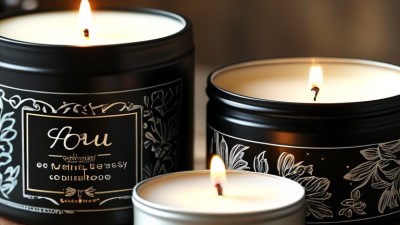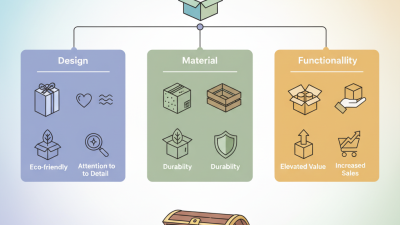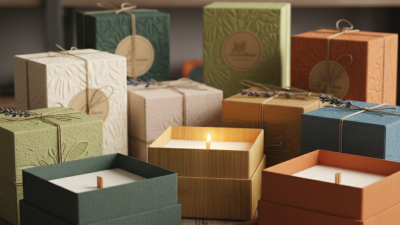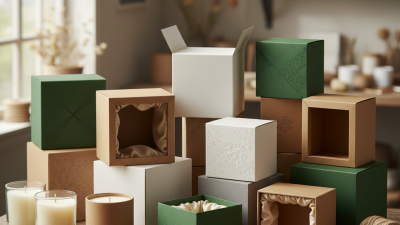
Choosing the right Boxes For Candles involves more than selecting an attractive color or finish. The box must protect glass, wax, fragrance, and labels during storage and delivery. It should also reflect the candle’s price, purpose, and brand personality. A rigid box may create a premium experience, while corrugated packaging often offers stronger protection during shipping. Folding cartons can reduce costs, but they may need internal inserts. Small details matter.
Packaging consultant Claire Hughes says, “The best candle box protects the product before it promotes the brand.” That principle remains practical for both boutique makers and established retailers. A beautiful box cannot compensate for cracked glass or a damaged lid. The packaging must fit closely without pressing against the candle. It should also leave enough room for cushioning and safe handling. Poor sizing wastes materials and increases movement inside the parcel.
This guide examines the most suitable box styles for different candle products. It considers durability, presentation, sustainability, customization, and shipping conditions. Recycled paperboard may support an eco-conscious message, but its strength varies between suppliers. Kraft boxes look natural, though they may not suit every luxury collection. There is no perfect option. The best choice depends on the candle, budget, audience, and sales channel. Even experienced brands sometimes choose attractive packaging too quickly. Testing remains essential. Drop tests, moisture checks, and sample packing can reveal weaknesses before customers do.
Choosing the best candle box starts with protection, not appearance. A folding carton suits lightweight candles and supports efficient storage. Rigid boxes offer a stronger premium feel, but they need more material and space. Corrugated packaging works well for heavier jars or shipping orders. The box must match the candle’s actual weight.
Measure the jar, lid, and inner padding together. Leave enough room to prevent rubbing, but avoid large empty areas. A snug insert can stop glass movement during delivery. Paperboard dividers, molded pulp, and cardboard supports are practical options. I recommend testing a packed box with short drops and gentle shaking. Real handling often reveals weak corners.
Moisture resistance also matters. Wax, fragrance oils, and temperature changes can affect unfinished paper. Select a suitable coating or laminated surface after checking your packaging requirements. Avoid coatings that make recycling difficult without a clear reason. Printing should remain readable around folds and edges. Include essential product information and safety guidance where applicable.
Small details shape customer trust. A clean opening, firm closure, and smooth inner fit feel dependable. Still, no box performs perfectly in every situation. A beautiful rigid box may crush under poor shipping conditions. A recyclable carton may need stronger inserts. Test samples before ordering in bulk. That step costs time, but it can prevent expensive packaging failures.
Candle packaging should match the product’s shape, weight, and handling risks. According to Grand View Research’s 2024 candle market analysis, the global market was valued at about $12.88 billion in 2023. That scale increases pressure for packaging that looks attractive and protects reliably.
Straight-sided jar candles usually suit rigid folding cartons with snug inserts. The square edges create clean shelf alignment. A die-cut window can show the wax color without exposing the lid.
For round tins, tuck-end boxes work well. Their compact form reduces empty space and limits movement during delivery. However, thin cartons may dent around the corners.
I have seen this happen after only moderate stacking.
Pillar candles need deeper sidewall support, especially when their surfaces are unwrapped. A two-piece rigid box gives them a steadier fit and a more premium presentation.
Taper candles are better protected in long, narrow cartons with internal dividers. These dividers prevent rubbing and reduce broken tips.
For irregular sculptural candles, molded pulp inserts can hold fragile curves more securely than loose paper. They may look less polished, though.
The National Candle Association reports that candles are used in about seven of ten U.S. households, so familiar shapes still deserve practical packaging. A beautiful box that causes wax scuffs is not truly successful.
Paperboard is usually the strongest starting point for candle packaging. It is light, printable, and easy to customize with inserts. For standard jar candles, use rigid paperboard with at least 350–400 gsm thickness. A snug insert should prevent the glass from shifting during delivery. Corrugated mailer boxes offer better protection for heavier candles or multiple units. They also reduce crushing around corners.
The material choice affects both safety and perception. The U.S. Environmental Protection Agency reported that paper and paperboard reached a 68.2% recycling rate in 2018. That figure supports paper-based packaging, but recycled fibers can weaken when exposed to moisture. Add a water-resistant coating only when necessary. Too much coating may reduce recyclability. This is where packaging decisions become less simple.
The candle market was valued at about $12.88 billion in 2022, according to Grand View Research. Packaging must therefore survive greater shipping volume and visual competition. McKinsey research found that 60–70% of consumers may pay more for sustainable packaging. Still, premium appearance should not rely on excessive layers. A matte paperboard box, molded-pulp insert, and clear material label can feel refined without unnecessary plastic.
I would not call paperboard perfect. It can dent, absorb humidity, and look weak when poorly designed. Test the packed candle with drop, vibration, and humidity checks before approving the final box.
What Is the Best Type of Boxes For Candles?
How to Match Box Design With Candle Protection
The best candle box is not simply the thickest one. It should match the candle’s shape, weight, surface, and shipping risks. A snug folding carton can protect a light jar candle. Heavier glass needs stronger board and a well-fitted insert. Pillar candles often need scuff-resistant paper because their exposed wax marks easily. Tall taper candles require narrow compartments that prevent bending and movement.
Protection begins with accurate measurements. Leave enough space for cushioning, but avoid a loose interior. Too much movement can cause chips, cracked glass, or damaged labels. Paperboard dividers work well for multiple candles. Molded pulp inserts offer stronger separation and a more natural appearance. For delicate containers, a two-piece rigid box may provide better compression resistance. The design should also close securely without crushing the lid or wick area.
In practical testing, I check drop resistance from different angles and inspect every corner afterward. I also test vibration, stacking pressure, and humid storage conditions. A box can look beautiful and still fail. I learned this after seeing a small insert shift during transport. The box needed better friction, not more decoration. Clear product information, clean edges, and a protective inner wrap improve reliability. However, no package performs perfectly in every delivery environment. Small test shipments can reveal weaknesses before full production.
| Box Type | Typical Construction | Best Candle Format | Protection Level | Recommended Interior Design | Main Strength | Main Limitation |
|---|---|---|---|---|---|---|
| Folding Carton | Folded paperboard, commonly made from approximately 250–400 gsm stock. | Lightweight tins, tealights, and small jar candles. | Medium | Use a snug fit, locking tabs, and a paperboard or molded-pulp platform to reduce movement. | Lightweight, printable, and efficient for retail shelving. | Limited resistance to crushing and impact unless paired with an outer shipper. |
| Corrugated Mailer | Self-locking corrugated board, often using E-flute material of about 1.0–1.8 mm thickness. | Single jars, candle gift sets, and direct-to-consumer shipments. | High | Add a die-cut insert, corner clearance, and a small void-fill zone around the candle vessel. | Good balance of cushioning, stacking strength, and shipping efficiency. | Requires accurate internal sizing to prevent movement during transit. |
| Rigid Setup Box | Thick wrapped board with fixed walls and a separate lid or shoulder structure. | Premium glass jars, gift collections, and heavier candles. | High | Use a fitted platform, soft paper wrap, and a rigid insert that supports the vessel without pressing the glass. | High compression resistance and a strong premium presentation. | Heavier, less space-efficient, and usually more expensive to transport. |
| Two-Piece Corrugated Box | Separate base and lid made from corrugated board, commonly B-flute at about 2.5–3.5 mm thickness. | Large jars, multi-candle sets, and heavier containers. | High | Use a full-height divider, molded-pulp end caps, or a suspended insert for multiple vessels. | Strong protection against stacking pressure and side impacts. | Uses more board and may require tape or an external closure. |
| Kraft Paper Tube | Spiral-wound paperboard cylinder with a friction-fit or metal-free paper lid. | Small cylindrical candles and candles with a narrow diameter. | Medium | Use a paperboard end disc, a snug inner sleeve, and sufficient clearance above the wick area. | Good radial strength and distinctive cylindrical presentation. | Less efficient for square or irregular vessels and difficult to stack tightly. |
| Molded-Pulp Insert Box | Outer carton combined with molded fiber components shaped around the candle vessel. | Glass jars, irregular containers, and multi-item candle kits. | High | Support the base and sidewalls while keeping the glass away from the outer box panels. | Excellent fit, impact absorption, and plastic-free protective design. | Tooling may be needed, and the insert can take more storage space. |
| Magnetic-Closure Gift Box | Rigid board construction with a hinged lid and concealed magnetic closure. | Premium single candles and curated gift sets. | Medium | Combine the presentation box with a removable inner tray and an outer corrugated shipping carton. | Excellent opening experience and strong shelf appeal. | The decorative box alone may not withstand parcel handling. |
Choosing the right candle box starts with the product, not the artwork. A glass jar needs stronger protection than a small tin. Measure the candle’s height, diameter, lid, and any label raised above the surface. Leave enough space for cushioning, but avoid a loose fit. Movement can cause scratches, broken lids, or damaged wax.
In packaging tests, I place a filled candle inside the box and gently shake it from several angles. I also check the box after stacking several units. A folding carton may suit lightweight candles and retail shelves. Corrugated boxes work better for heavier jars or shipping. Rigid boxes provide a premium feel, but they cost more and use more material. That trade-off deserves honest review. A beautiful box is not automatically a practical box.
Tips: Choose an insert that holds the candle firmly without pressing against the glass. Test the package in warm and cold conditions, because wax and adhesives can react differently. Check whether the box closes smoothly after adding tissue paper. Use clear product information and readable care instructions. If sustainability matters, select recyclable materials and avoid unnecessary layers. I once approved a box that looked excellent but rubbed against the label during transport. That mistake showed me why real handling tests matter more than appearance alone. Reliable packaging protects the candle, supports safe delivery, and matches the customer’s expectations.
Recommended internal box volume for common candle product formats
Smaller tins and votive sets generally fit folding carton or tuck-end boxes, while glass jars and pillar candles benefit from stronger corrugated mailer or rigid boxes. The dimensions shown are practical planning examples based on common candle formats; confirm the product size and add clearance before finalizing packaging.