Why Choose Paper Boxes For Packing Your Products?
In today's competitive market, choosing the right packaging material is crucial for your products. Paper Boxes For Packing are becoming the preferred choice among many businesses. According to a recent industry report, the global paper packaging market is projected to reach $500 billion by 2025, growing at a CAGR of 4.7%. This growth highlights the increasing preference for sustainable and eco-friendly solutions.
Using Paper Boxes For Packing not only enhances product presentation but also aligns with consumer values. Studies show that 74% of consumers are more likely to choose brands that demonstrate eco-friendly practices. The versatility of paper boxes can accommodate various shapes and sizes, making them suitable for a wide range of products. They are lightweight, which reduces shipping costs, yet strong enough to provide reliable protection.
However, it’s important to acknowledge potential drawbacks. Not all paper boxes are created equal. Some may lack durability or fail to meet specific product requirements. Businesses should carefully assess their needs and the quality of paper boxes they choose. A thoughtful approach can lead to better customer satisfaction and brand loyalty.

Benefits of Using Paper Boxes in Product Packaging
When considering product packaging, paper boxes present an exceptional choice. They offer durability and protection for various items. Made from sustainable materials, they are eco-friendly and biodegradable. This makes them suitable for brands focused on environmental responsibility. Consumers appreciate brands that prioritize sustainability, enhancing brand loyalty.
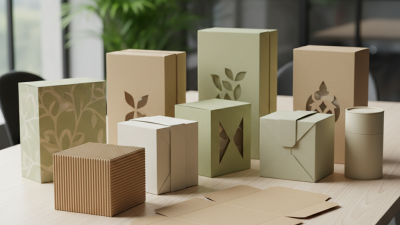
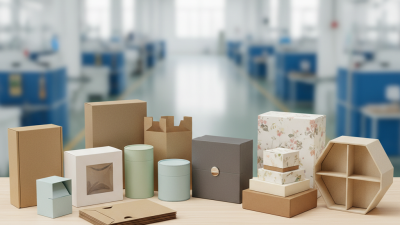
Utilizing paper boxes also allows for versatile design options. They can be printed with vivid colors and unique patterns. This capability can capture the attention of potential buyers. Moreover, paper boxes are relatively lightweight, reducing shipping costs. However, the thickness and quality of the paper must be considered to avoid damage during transit.
While paper boxes provide numerous benefits, challenges do exist. They might not withstand moisture as well as plastic options. Brands need to assess the nature of their products to ensure compatibility. Additionally, sourcing high-quality paper can incur extra costs. Balancing these factors is essential for effective packaging strategies.
Environmental Impact of Paper Packaging Compared to Plastic Alternatives
Choosing paper boxes over plastic for packaging your products is an environmentally friendly decision. Paper packaging has a significantly lower carbon footprint compared to plastic. While plastic may seem durable, it takes hundreds of years to decompose. Paper, on the other hand, is biodegradable and can be recycled multiple times. This helps reduce waste and promotes sustainability.
When using paper boxes, consider the source of the materials. Opt for recycled paper to further lessen the environmental impact. This contributes to a circular economy and supports responsible forestry practices. Be mindful of your suppliers and select those committed to sustainable methods.
Tips to enhance your paper packaging:
Use minimal ink for printing. This reduces chemical usage and enhances recycling potential. Choose sturdy papers that can withstand shipping without compromising the product inside. Simple designs tend to be more pleasing and functional. While paper packaging is a reliable option, not every design may work perfectly for every product. Testing is key. Consider feedback from your customers to improve your choices.
Cost-Effectiveness of Paper Boxes in Shipping and Storage Solutions
Paper boxes have become a preferred choice for packaging due to their cost-effectiveness in shipping and storage. A report from Smithers Pira highlights that the global market for paper-based packaging is expected to exceed $400 billion by 2024. This substantial growth indicates that businesses are increasingly seeing the value in using paper boxes. Unlike plastic alternatives, paper boxes are often cheaper to produce and transport, significantly reducing shipping costs.
The efficiencies extend beyond mere economics. Studies indicate that paper packaging can be up to 50% lighter than traditional materials. This weight reduction translates into lower freight charges, which can accumulate into substantial savings for companies, particularly those shipping high volumes. However, some businesses still hesitate, fearing that the durability may not match that of heavier materials. Yet, advances in paper technology have led to robust designs that withstand handling and transport.
Furthermore, paper packaging often takes up less space in storage due to its stackable nature. This can lead to reduced warehousing costs. Research from the Paper and Packaging Board notes that around 75% of consumers prefer environmentally friendly materials. This creates a compelling case for brands to rethink their packaging strategies. Although challenges exist in sustainability practices, the overwhelming benefits suggest that for many, transitioning to paper boxes could be a rewarding decision.
Consumer Preferences for Eco-Friendly Packaging Options
Consumers are increasingly gravitating towards eco-friendly packaging options. According to a recent report by the Paper and Packaging Board, 72% of consumers prefer to purchase products packaged in environmentally friendly materials. This trend highlights a significant shift in consumer behavior towards sustainability. They are willing to pay more for products with green packaging. The desire for eco-friendly options is no longer just a niche market; it has become a crucial factor in purchasing decisions across various sectors.
Paper boxes stand out as a popular choice for eco-conscious consumers. Made from renewable resources, paper is biodegradable and recyclable. A study by the World Resources Institute notes that packaging made from recycled content can reduce carbon emissions by up to 40%. However, companies must remain vigilant. While paper packaging is an excellent choice, not all paper products are created equal. The sourcing of materials and the production processes can influence their overall environmental impact. Transparency in these practices is essential for building trust with consumers.
Furthermore, there's a growing expectation for brands to take responsibility for their packaging choices. The EcoFocus Trend Report shows that 70% of consumers expect companies to demonstrate their sustainability efforts. This ongoing scrutiny means brands must innovate continuously in their packaging strategies. The challenge lies in balancing aesthetics, cost, and sustainability. Brands should aim for authenticity in their eco-friendly claims to avoid backlash.
Consumer Preferences for Eco-Friendly Packaging Options
Trends in Customized Paper Box Designs for Enhanced Branding
Customized paper box designs are gaining popularity. Brands are realizing the importance of packaging in their marketing strategies. Unique designs can create an emotional connection with customers. Eye-catching visuals can enhance brand recognition and recall.
Creating an effective design requires thought. Consider using eco-friendly materials to appeal to sustainability-conscious consumers. Incorporate your brand colors and logo into the design. This reinforces your identity and builds loyalty.
Tip: Keep your target audience in mind. Understand their preferences and style. When in doubt, gather feedback to refine your design. Testing different styles can lead to surprising insights. It's okay to experiment and reflect on what works best for your brand.