What is Folded Packaging and How Can It Benefit Your Business?
In today's competitive market, businesses seek innovative ways to enhance their product presentation. Folded Packaging stands out as an effective solution. This packaging type combines aesthetic appeal with functional design, which can significantly elevate a brand's identity. Many companies have adopted Folded Packaging to reflect their commitment to quality and sustainability.
Folded Packaging is more than just a box; it is a strategic asset. The versatility of this packaging allows it to be customized for various products. Brands can utilize unique shapes and colors to attract attention. This approach is particularly beneficial for small businesses looking to make a lasting impression.
However, Folded Packaging also requires careful planning. It's crucial to consider the material and design to ensure safety during transportation. Businesses must also weigh the costs against potential gains. Each decision can impact the overall effectiveness of the packaging. Embracing this method calls for a balance of creativity and practicality.

What is Folded Packaging? A Comprehensive Overview
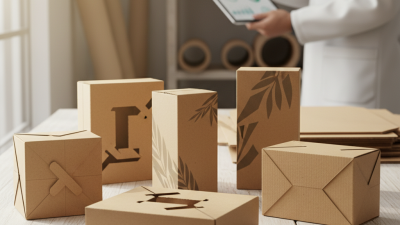
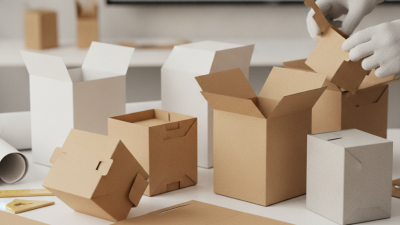
Folded packaging refers to a type of packaging that is made from paperboard or cardboard. It is designed to be folded into a specific shape, often for products like boxes, cartons, or sleeves. This packaging style is widely used across various industries for its versatility and efficiency. Manufacturers can create customized designs that enhance product visibility and appeal. The foldable nature also allows for cost-effective shipping, as flat-packed materials save space.
The benefits of folded packaging are manifold. It significantly reduces the material needed while protecting the products inside. Companies can use printed designs to convey their brand messages effectively. However, not all designs resonate with consumers. Crafting the perfect artwork requires insight into target audiences and their preferences. Testing different styles can be a bit of a trial-and-error process.
Opting for folded packaging also poses some challenges. The choice of materials impacts durability and sustainability. It's crucial to strike a balance between aesthetics and functionality. Some designs may look appealing but could fail in protecting the contents. Reflecting on design choices and their consequences is essential for long-term success. Creating folded packaging that aligns with consumer expectations demands both creativity and practical considerations.
The Historical Development of Folded Packaging
Folded packaging has evolved significantly through the years. Initially, it was a simple concept aimed at providing protection to products. Over time, this form of packaging has integrated various materials and designs. According to a recent industry report, the folded packaging market size was valued at approximately USD 200 billion in 2022. It is expected to grow steadily as more businesses recognize its advantages.
The development of folded packaging is linked closely to advancements in manufacturing technologies. The introduction of automated folding machines has increased efficiency. In turn, this has reduced costs for businesses. A vital area of focus has been the sustainability of materials. Studies reveal that 70% of consumers consider eco-friendly packaging important, which has prompted brands to shift their strategies. This shift towards sustainable folded packaging is not just a trend; it reflects changing consumer priorities.
However, challenges remain. Some businesses struggle with the balance between aesthetics and practicality in folded packaging designs. Achieving an attractive look while ensuring functionality can be tricky. Additionally, the reliance on digital marketing has highlighted the importance of packaging as a critical touchpoint with customers. As businesses adapt to these changes, the history of folded packaging will continue to influence its future trajectory.
Historical Development of Folded Packaging
This chart illustrates the historical development of folded packaging, showcasing its increasing market share over the decades. From a modest 15% in the early 1900s to over 55% in the 2020s, it highlights the growing importance of folded packaging in various industries.
Advantages of Folded Packaging for Businesses
Folded packaging has become increasingly popular due to its versatility and cost-effectiveness. Many businesses are recognizing its potential. According to the Paper and Paperboard Packaging Environmental Council, folded cartons represent over 70% of the total packaging market in the U.S. This highlights the growing reliance on folded packaging solutions across various industries.
One significant advantage of folded packaging is its efficiency in storage and transportation. When flat, these cartons take up minimal space, reducing shipping costs. In fact, reducing shipping volume can lead to savings of approximately 20% for some businesses. Additionally, folded packaging is easily customizable, allowing brands to tailor designs that resonate with their target audience. The ability to implement unique shapes and sizes can help products stand out on the shelves.
Another benefit lies in sustainability. A report by Smithers Pira shows that the demand for sustainable packaging is expected to increase by 5.5% annually. Folded packaging is often made from recyclable materials, which appeals to eco-conscious consumers. However, brands must be cautious with their sourcing choices. Not all folded packaging is created equal, and some materials may have a larger carbon footprint than others. This necessitates careful evaluation to ensure environmentally friendly practices.
Different Types of Folded Packaging Solutions
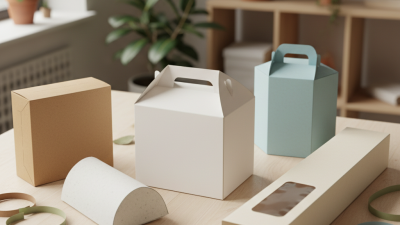
Folded packaging comes in various forms, each suited for distinct needs. One popular option is the folded carton. This type of packaging is lightweight and easily customizable. It’s commonly used for food, cosmetics, and electronics. Brands appreciate how appealing folded cartons can be. They attract customers and enhance shelf presence.
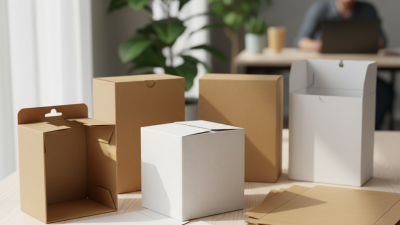
Another option is the paperboard box. These boxes are sturdy and can be designed to fit products perfectly. Many businesses utilize them for shipping and storage. Using paperboard can also reduce environmental impact. It's recyclable and often made from sustainable materials.
Lastly, there's folded flexible packaging. This type is adaptable and used for items like snacks and beverages. It often incorporates resealable features, improving convenience for consumers. However, businesses must consider the balance between aesthetics and practicality. While folded packaging offers advantages, some designs may not protect products adequately.
Best Practices for Implementing Folded Packaging
Implementing folded packaging can enhance operational efficiency and customer satisfaction. Research shows that 30% of consumers prefer packaging that is easy to open yet secure. These preferences highlight the need for thoughtful design in packaging solutions. Businesses should adopt best practices to maximize the benefits of folded packaging.
Consider the materials used in folded packaging. Choosing sustainable options can improve brand perception. A survey indicated that 73% of millennials are willing to pay more for eco-friendly packaging. Yet, it’s crucial to balance sustainability with cost-effectiveness. Sometimes, brands may find sustainable materials are pricier, leading to difficult choices.
Training staff on effective assembly techniques is also essential. Proper training ensures efficiency and reduces errors. Statistics reveal that employee training can lead to a 20% increase in productivity. However, neglecting this aspect may result in waste and increased costs. Therefore, investing in employee development while considering budget limitations is not straightforward.
What is Folded Packaging and How Can It Benefit Your Business?
| Feature |
Description |
Benefits |
| Cost-Effectiveness |
Reduced material usage leads to lower production costs. |
Helps improve profit margins. |
| Sustainability |
Made from recyclable materials, reducing environmental impact. |
Meets eco-conscious consumer demands. |
| Custom Design |
Easily customizable to fit branding needs. |
Enhances brand recognition and customer loyalty. |
| Protection |
Durable construction provides excellent product protection. |
Reduces product damage during transport. |
| Easy Assembly |
Designed for quick and easy setup without tools. |
Saves time and labor in packaging processes. |