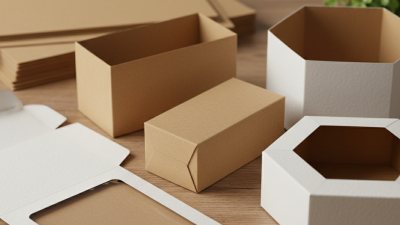
Top 10 Foldable Paper Box Designs for Global Buyers?
In today’s competitive market, packaging plays a pivotal role. The foldable paper box has gained significant popularity among global buyers. These boxes offer an excellent balance of functionality and aesthetics. They are lightweight, easy to store, and can be customized to meet a buyer’s unique needs.
Design is crucial for making a lasting impression. Innovative designs can enhance brand recognition and customer engagement. However, it's essential to ensure that these designs are practical. A beautiful foldable paper box should still be easy to assemble and sturdy enough to protect the contents.
While there are many impressive designs available, not every style will suit every product. Some may lack durability, while others might not be cost-effective. Buyers must consider their specific requirements. Finding the right foldable paper box design requires careful thought and evaluation.
Top Foldable Paper Box Designs: Enhancing Portability and Sustainability
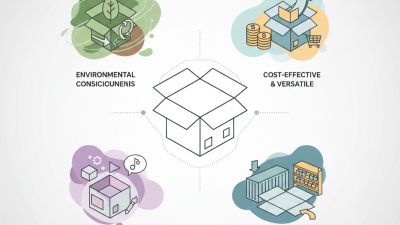
The rise of foldable paper box designs reflects a growing emphasis on sustainability. These boxes are lightweight and easy to carry. Their portable nature makes them ideal for various uses, from packaging to gifts. Being recyclable, they align with eco-friendly values. Global buyers increasingly seek solutions that minimize environmental impact.
Innovative designs enhance usability but can complicate production. Some foldable boxes may lack durability. Finding the right balance between sturdiness and portability is essential. For many, aesthetics play a critical role in choice, impacting market appeal. As demand grows, designers face pressure to create functional yet visually appealing products.
Choosing the right materials is also a challenge. While paper is generally more sustainable, the quality affects both strength and aesthetics. Not all materials bond well, which can lead to issues. Manufacturers must consider not just looks but performance and environmental footprint. This ongoing dialogue between design, function, and sustainability continues to shape the industry.
Market Trends: Consumer Preferences for Eco-Friendly Packaging Solutions
Eco-friendly packaging solutions are gaining significant traction among global consumers. A recent report by Smithers Pira indicates that the market for sustainable packaging is projected to reach $500 billion by 2026. This reflects a notable shift in consumer behavior, as sustainability becomes a primary consideration in purchasing decisions. Approximately 70% of consumers prefer packaging made from recycled materials. This preference is driven by a growing awareness of environmental issues and the impact of plastic waste.
Brands are responding to this demand by adopting innovative paper box designs. Foldable paper boxes offer versatility and efficiency. They can be easily transformed, minimizing the environmental footprint associated with traditional packaging methods. Furthermore, a survey revealed that 65% of consumers are willing to pay a premium for products with eco-friendly packaging. Yet, while many companies are pivoting towards green options, challenges remain. Ensuring that all materials are sourced sustainably is critical but often overlooked. Additionally, the balance between cost and eco-friendliness can lead to compromises in quality.
Sustainability is not just a trend; it’s a necessity. However, transparency in the supply chain is crucial. Brands need to provide clear information about their materials and processes. As consumers grow more informed, they will increasingly demand accountability from the brands they choose.
Innovative Folding Techniques: Maximizing Structural Integrity and Aesthetics
Innovative folding techniques are transforming the world of packaging. Designers are experimenting with
structural integrity while enhancing aesthetic appeal. This balance is essential for creating functional boxes that captivate buyers.
Various folds, such as the pop-up or tuck-end, can increase stability without compromising design.
Indeed, visual attractiveness invites consumer engagement, a crucial factor in today’s market.
The interplay of form and function can be challenging. For instance, a beautiful box may lack durability. That's a lesson learned from past designs.
Sustainable materials are often fragile, which complicates aesthetics and strength.
Designers must prioritize user experience, ensuring that every fold serves a purpose.
Streamlining designs can sometimes simplify production. Yet, over-complicated folds can confuse users and increase costs.
Distinct patterns and creations stand out in a crowded marketplace. Users appreciate unique elements that tell a story through design.
However, maintaining these designs without sacrificing reliability remains a challenge.
Experimentation is vital, yet it comes with risks. Will buyers value artistry over practicality?
This tension constantly fuels innovation and reflection within the industry. Thus, designers must find harmony to thrive in a competitive environment.
Case Studies: Successful Brands Utilizing Foldable Paper Boxes
Foldable paper boxes have become a popular choice among brands due to their versatility and eco-friendliness. Many successful companies are leveraging these innovative designs to enhance their branding and improve customer experiences. Case studies show how various brands have embraced foldable paper boxes, leading to impressive results.
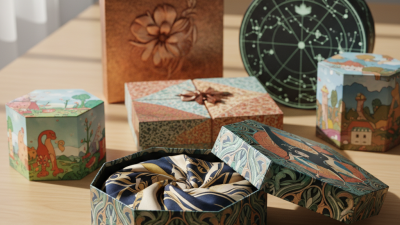
For instance, one brand revamped its packaging, focusing on minimalism. The sleek design not only reduced material usage but also caught consumer attention. Another brand utilized eye-catching graphics on their foldable boxes, reinforcing their identity while maintaining sustainability. Such approaches reflect the importance of creativity in packaging design.
Tips: Always consider the functionality of your box. Is it easy to assemble? Is it user-friendly? These features can make or break the unboxing experience. Test different designs and gather feedback. Consumers appreciate brands that listen to their needs. Embrace imperfections; they can lead to unique packaging solutions. Reflect on your designs regularly to ensure they resonate with your target audience.
Future Prospects: Growth Opportunities in the Foldable Packaging Market
The foldable packaging market is evolving rapidly. Businesses are looking for innovative designs that provide both functionality and aesthetic appeal. This shift opens up numerous opportunities for growth. Sustainability is becoming a major driving force in this industry. Eco-friendly materials and processes attract environmentally conscious consumers.
In addition, customization is gaining traction. Clients want unique foldable designs that match their brand identity. This demand for personalization can be a double-edged sword. While it drives creativity, it also challenges manufacturers to keep up with rapid changes in consumer preferences. Flexibility in production and design is key.
Companies in the foldable packaging sector need to innovate continuously. Emerging technologies, such as digital printing, can enhance the production process. However, relying solely on technology may lead to overlooking traditional craftsmanship. The balance between high-tech solutions and artisanal skills requires careful consideration. Remaining adaptable in a shifting market landscape is essential for success.