2026 Best Folded Packaging Solutions for Global Buyers?
The global packaging industry has undergone significant changes in recent years, particularly concerning Folded Packaging. According to a recent market report by Smithers, the demand for folded packaging is expected to grow by 4.5% annually, reaching $500 billion by 2026. This growth is driven by the rise in e-commerce and the increasing preference for sustainable packaging solutions.
Folded packaging offers versatility and design options that elevate product presentation. It allows brands to stand out on crowded shelves. However, challenges persist. Many manufacturers struggle to balance innovation with cost efficiency. Furthermore, sustainable materials often come with higher production costs. This creates a dilemma for companies trying to meet consumers' eco-friendly expectations while keeping prices competitive.
In light of these complexities, global buyers must navigate various options available in folded packaging solutions. The need for informed decisions is paramount. Buyers should focus on suppliers with a proven track record of quality and sustainability. Selecting partners who prioritize innovative technologies can enhance both product appeal and brand sustainability.
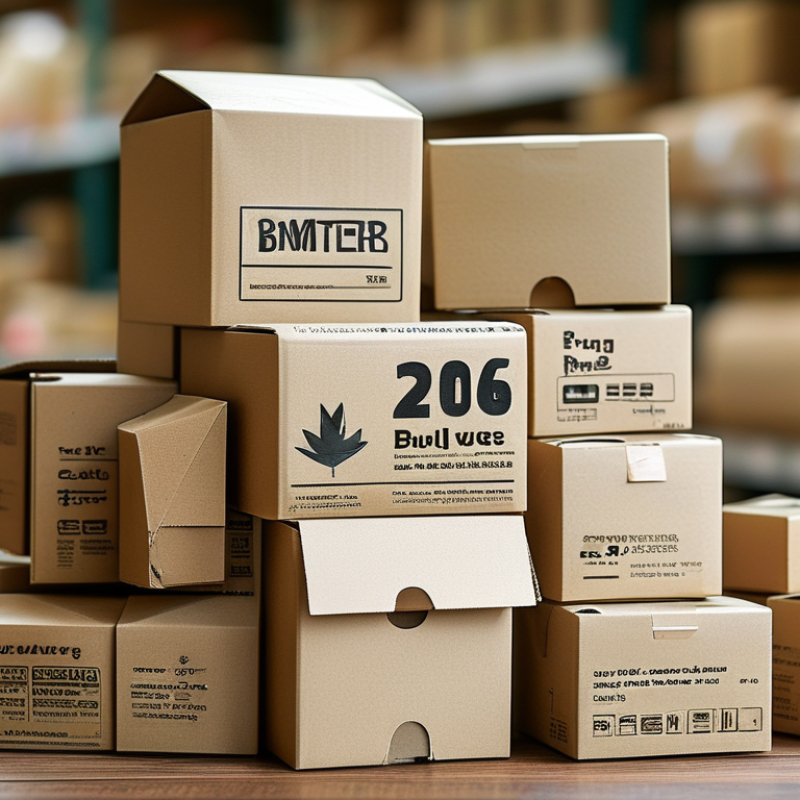
Overview of Folded Packaging Solutions in 2026
As we approach 2026, the landscape of folded packaging solutions is evolving rapidly. Sustainability remains a critical focus. More companies are prioritizing eco-friendly materials. This shift reflects a global demand for greener options. With challenges in sourcing sustainable materials, many businesses must re-evaluate their suppliers. Innovative designs are emerging to reduce waste and enhance protection.
Customization is key in today's market. Consumers increasingly seek personalized packaging solutions. This trend pushes manufacturers to develop versatile designs. Companies must balance efficiency with creativity. Yet, many struggle to meet these demands while controlling costs. Finding an optimal solution requires ongoing experimentation and feedback.
Increased automation is transforming the packaging process. It improves speed and precision but may create gaps in quality control. Some manufacturers report inconsistencies in production runs. Investing in technology can mitigate some issues, but a human touch remains essential. This blend of automation and artisanal methods is crucial in meeting consumer expectations.
2026 Best Folded Packaging Solutions Analysis
Key Trends Shaping Folded Packaging Innovations
The folded packaging sector is evolving rapidly. Innovations are being driven by consumer demands for sustainability and functionality. According to a recent industry report, 75% of consumers prefer brands that use eco-friendly packaging. This shift is compelling manufacturers to explore biodegradable materials and reduction in plastic use. Even small changes can make a significant impact.
Customization is another key trend. Brands are opting for tailored packaging solutions to enhance customer experience. The global market for customized packaging is projected to reach over $45 billion by 2026. This flexibility allows businesses to create packaging that resonates with their target audience. However, the challenge lies in balancing production costs with consumer preferences.
Moreover, aesthetics play a crucial role. Innovative designs can capture attention on crowded shelves. Research shows that 60% of purchase decisions are influenced by packaging appearance. Yet, companies must carefully assess their strategies. An overemphasis on graphics might overlook functional aspects. Evaluating these trade-offs is essential for successful packaging solutions in a competitive landscape.
Sustainable Materials in Folded Packaging Solutions
In the evolving landscape of folded packaging solutions, sustainability has become crucial. Global buyers increasingly seek alternatives to traditional materials. Sustainable materials not only reduce environmental impact but also enhance brand image. There are many options like recycled paper, biodegradable plastics, and plant-based materials. These alternatives are becoming popular due to their eco-friendly nature.
However, sourcing sustainable materials can be challenging. The availability and cost may vary significantly across regions. Not all manufacturers prioritize sustainable practices. This inconsistency raises questions about reliability. Additionally, some sustainable materials may not meet durability expectations. It's essential for buyers to conduct thorough research. Understanding the trade-offs will help in making informed decisions. Weighing the benefits against potential drawbacks is necessary.
Ultimately, the journey towards sustainable folded packaging isn't perfect. It requires constant evaluation and improvement. The industry is in a transition phase, and many practices are still evolving. Engaging with suppliers who prioritize sustainable practices can foster innovation. Collaborative efforts will pave the way for more reliable, eco-friendly solutions.
Comparative Analysis of Global Folded Packaging Providers
The global folded packaging market is witnessing significant growth, driven by the rising demand for sustainable packaging solutions. According to a recent report by Smithers Pira, the folded carton segment is projected to reach $300 billion by 2026, reflecting a CAGR of 4.5% from 2021. This trend highlights the importance of examining various providers that meet diverse buyer expectations worldwide.
In this rapidly evolving landscape, providers must adapt to changing consumer preferences. Many are turning to eco-friendly materials. The use of recycled content in folded packaging is projected to rise by 12% over the next decade. However, not all suppliers prioritize sustainability equally, leading to a need for careful assessment. The inconsistency in sustainability practices among various manufacturers can be concerning.
Another critical factor is innovation in design and functionality. Advanced printing technologies are reshaping the aesthetics of folded packaging. A report from the European Paper Industry revealed that 30% of consumers are influenced by packaging design when making purchasing decisions. Yet, while some providers excel in creativity, they may still lag in production efficiency. Addressing these challenges requires a comprehensive analysis of industry players, weighing their strengths and weaknesses against market demands.
Future Prospects: Emerging Technologies in Folded Packaging
Innovations in folded packaging are reshaping the industry. Emerging technologies are at the forefront of this transformation. According to a recent report by MarketsandMarkets, the global folded packaging market is expected to reach USD 445 billion by 2026. This rapid growth highlights the need for
sustainable and efficient solutions.
Adopting digital printing technology is one way to enhance folded packaging. This method allows for customization and flexibility, which cater to market demands. Moreover, the integration of augmented reality (AR) can elevate consumer engagement. Consumers appreciate interactive packaging, which adds a unique touch.
Tips: Always consider sustainable materials. Eco-friendly packaging minimizes the environmental impact. Furthermore, focus on consumer experience. Packaging should not only protect the product but also create an emotional bond.
Challenges remain in balancing cost and innovation. Many manufacturers struggle with integrating new technologies while maintaining profitability. However, the emerging trends suggest that investing in automation and sustainable practices can yield long-term benefits. Continuous improvement in folded packaging is essential for meeting evolving consumer expectations.