Top 10 Benefits of Folded Packaging for Global Buyers
Folded packaging has become increasingly important in global commerce. According to recent industry reports, the global folded packaging market is projected to reach $500 billion by 2025. This growth is driven by the demand for sustainable and innovative packaging solutions. Folded packaging offers various advantages for businesses seeking to adapt to changing consumer preferences.
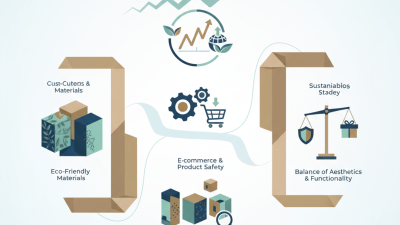
Environmental concerns are at the forefront today. Many consumers prefer products in eco-friendly packaging. Folded packaging uses less material, reducing waste. A study indicated that businesses adopting folded packaging could decrease their carbon footprint by up to 30%. This statistic highlights the positive impact of folded packaging on sustainability efforts.
The aesthetic appeal of folded packaging cannot be overlooked. Custom designs enhance brand visibility and attract consumers. Moreover, the packaging integrity ensures products remain protected during shipping. However, companies must balance innovation with cost-effectiveness. This necessitates careful consideration of production and design processes. In a rapidly evolving market, folded packaging represents both a challenge and an opportunity for brands aiming to stay competitive.

Advantages of Folded Packaging in Streamlining Supply Chains
Folded packaging offers a unique way to enhance supply chain efficiency. It simplifies logistics through its compact design, reducing transportation costs. The lightweight nature of folded packaging minimizes shipping fees, allowing global buyers to allocate resources more effectively. This design also optimizes storage space, making it easier to manage inventory.
Another benefit is the ease of handling. Folded packaging can be assembled quickly, saving time in warehouses. This speed fosters smoother operations and reduces labor costs, which is crucial in today’s fast-paced market. However, it's essential to consider the initial investment in machinery for folding processes. Buyers may need to assess whether the long-term savings justify this upfront cost.
Sustainability is another significant aspect of folded packaging. Its materials can often be recycled, addressing environmental concerns. However, not all folded packaging options are equally eco-friendly. Buyers must research and select options that align with their sustainability goals. A thoughtful approach can lead to both cost savings and a positive environmental impact. Understanding these nuances is vital for making informed choices in packaging solutions.
Cost-Effectiveness of Folded Packaging for International Trade
Folded packaging plays a significant role in international trade. Its cost-effectiveness helps global buyers optimize their logistics. By minimizing material use, businesses save money. The designs allow for efficient stacking and transportation. This can significantly reduce shipping costs. It's essential to evaluate these savings for your business.
Additionally, folded packaging often leads to reduced waste. Less material means lower disposal costs. As environmental concerns grow, this becomes increasingly important. Firms should consider the longevity of packaging too. Over time, folded packaging can prove more reliable. Consistent quality means fewer returns and complaints. However, it is crucial not to overlook potential damage during transit. Proper handling is vital.
Investing in folded packaging may come with upfront costs. Nonetheless, the benefits often outweigh these initial investments. Buyers might need to rethink traditional methods. The shift can be challenging but rewarding. By assessing long-term efficiency, companies can navigate these complexities. Folded packaging represents a smart choice for cost-conscious businesses in a global market.
Top 10 Benefits of Folded Packaging for Global Buyers
Sustainability and Eco-Friendliness of Folded Packaging Solutions
Folded packaging has gained recognition for its sustainability and eco-friendliness. This method uses less material than traditional packaging. It minimizes waste and reduces carbon footprints. Many global buyers are now prioritizing eco-conscious choices in their supply chains. By opting for folded packaging, companies can show their commitment to the environment and attract similar-minded consumers.
When considering folded packaging, think about the material used. Recyclable and biodegradable options are ideal. These materials not only protect products but also encourage responsible disposal. Additionally, folded packaging often requires less energy during production. This aspect reduces overall environmental impact.
Tips for implementation include assessing local recycling guidelines. Understand which materials can be recycled in your area. Also, engage your suppliers about sourcing sustainable materials. Establish clear sustainability goals for your packaging strategies. Ensure these goals align with your brand’s mission to foster trust and reliability. Engaging in these practices will help elevate your brand's reputation in an increasingly eco-focused market.
Flexibility and Customization Options in Folded Packaging Design
Folded packaging design offers exceptional flexibility and customization options, catering to diverse buyer needs. This adaptability allows businesses to create unique product presentations that resonate with their target audience. From size adjustments to distinctive shapes, folded packaging can enhance product visibility and appeal.
Customization doesn't end at design. Brands can choose printing techniques to tell their stories. Eco-friendly options are increasingly popular. This aligns with consumer preferences for sustainable practices. Furthermore, regional compliance is crucial; adapting the design helps navigate various markets seamlessly. However, the challenge remains in balancing aesthetics with functionality.
Flexibility also presents a dilemma. Too many options can overwhelm decision-makers. It's essential to focus on core elements that reinforce branding. Experimentation is necessary, but it should be coupled with strategic thinking. Understand your audience's preferences and test designs accordingly. This balance between creativity and practicality is vital for effective folded packaging.
Top 10 Benefits of Folded Packaging for Global Buyers - Flexibility and Customization Options in Folded Packaging Design
| Benefit |
Description |
Impact on Buyers |
| Cost Efficiency |
Reduced material costs and shipping expenses. |
Increased profit margins. |
| Customization |
Ability to create tailored designs for specific products. |
Enhanced brand visibility. |
| Sustainability |
Use of eco-friendly materials and reduced waste. |
Improved brand image among environmentally conscious consumers. |
| Lightweight |
Easier to handle and transport. |
Lower shipping costs and higher efficiency. |
| Enhanced Protection |
Robust design prevents damage during transit. |
Higher customer satisfaction due to product integrity. |
| Versatility |
Suitable for a wide range of products. |
Broader market reach. |
| Branding Opportunities |
Space for logos and marketing messages. |
Increased brand recognition. |
| Quick Turnaround |
Faster production and delivery times. |
Improved responsiveness to market demands. |
| Consumer Appeal |
Attractive packaging increases shelf appeal. |
Higher sales potential. |
| Inventory Management |
Easier to store and manage due to flat packing. |
Reduced storage costs. |
Enhanced Protection and Safety of Products with Folded Packaging
Folded packaging offers significant enhancements in product protection and safety. Its design allows products to be cushioned effectively, minimizing the risk of damage during transportation. This is particularly crucial for fragile items, which require additional care. A well-structured folded package can absorb shocks better than traditional packaging methods. This characteristic can reduce losses and claims related to damaged goods.
Safety is another essential aspect of folded packaging. It often includes features that prevent contamination and exposure to environmental elements. For food products, this is vital. The protective layers keep contaminants at bay, ensuring that the items reach consumers in optimal condition. Using folded packaging can also deter tampering, which is important for maintaining product integrity.
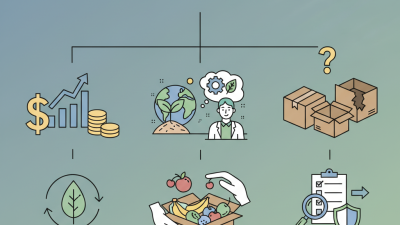
While folded packaging presents numerous benefits, there are challenges. Sourcing sustainable materials can be difficult. Some buyers may find the production process complex. Balancing cost-effectiveness with high-quality materials often requires careful negotiation. Exploring these aspects can lead to better decisions in packaging choices.