2026 Best Folded Packaging Solutions for Global Buyers?
The demand for folded packaging solutions is on the rise, driven by e-commerce and sustainability trends. According to a recent report by Smithers Pira, the global folded packaging market is expected to reach $200 billion by 2026. This growth reveals a significant shift in consumer preferences towards eco-friendly and versatile packaging options. Experts like Lisa Johnson, a leading figure in the folded packaging industry, emphasize its importance: "Folded packaging not only protects products but also enhances brand appeal."
The variety of materials and designs available makes folded packaging an attractive choice for brands aiming to stand out. However, not all solutions are equal in performance. Some may lack structural integrity or sustainability features. As brands navigate this competitive landscape, they must evaluate both aesthetics and functionality. There is room for improvement, as many companies still rely on traditional packaging that may not meet modern sustainability standards.
Focusing on innovative folded packaging can provide significant advantages. Yet, businesses must reflect on their current practices. Are they truly investing in solutions that align with consumer expectations? Identifying gaps in packaging strategies presents both challenges and opportunities.
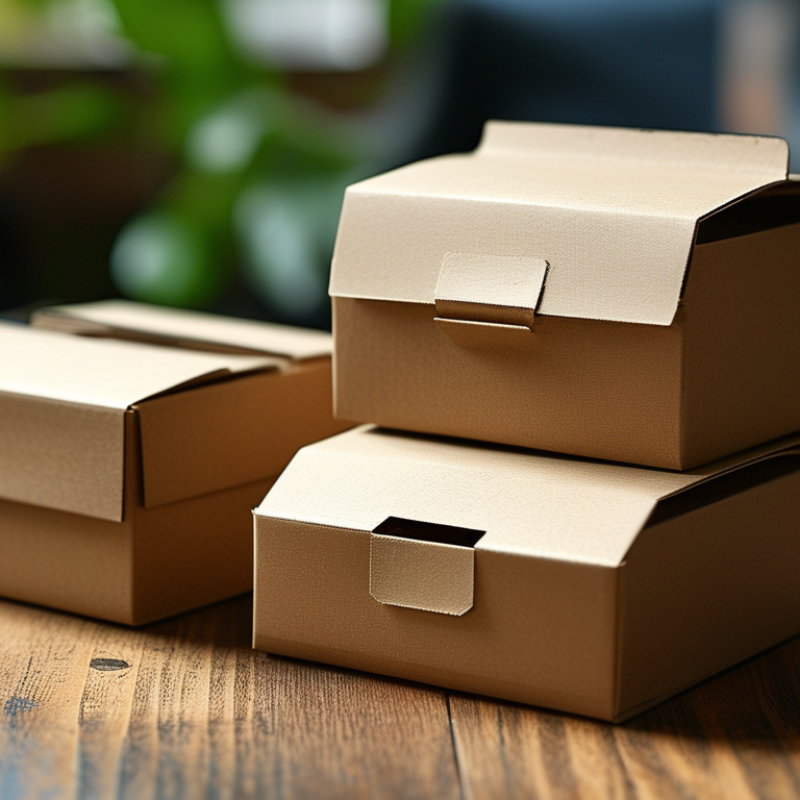
2026 Trends in Folded Packaging Solutions for Global Markets
As we look toward 2026, the world of folded packaging solutions is evolving. Sustainability will continue to be a key factor. Buyers are increasingly seeking materials that minimize environmental impact. Traditional plastics are being replaced with biodegradable options. This shift reflects a growing awareness among consumers about ecological footprints.
Adapting to current trends is essential. Efficiency in design is another focus. Companies must create packaging that uses fewer resources while maintaining functionality. Proper design can attract consumers and reduce waste. Here are some tips to consider:
- Evaluate your current packaging for waste.
- Consider lighter materials that offer strength.
- Explore designs that enhance consumer convenience.
Another trend on the horizon is personalization. Custom packaging creates a unique brand experience. However, it can be challenging to balance personalization with cost-effectiveness. Companies should carefully consider their target markets to gauge the impact of personalized designs.
Staying informed about market trends is crucial. Engaging with experts in folded packaging can provide valuable insights. Collaboration within the industry may lead to innovative solutions. It's important for companies to remain adaptable in this competitive landscape.
Key Materials Used in Folded Packaging for 2026
Folded packaging solutions are evolving rapidly, especially in response to global demands. In 2026, key materials stand out due to their sustainability and functionality. One of the primary materials is recycled paperboard. It is lightweight, sturdy, and eco-friendly. This option appeals to consumers who prioritize environmental impact.
Another trending material is bioplastics. These alternatives to traditional plastics come from renewable sources, reducing reliance on fossil fuels. They maintain strength and flexibility, making them ideal for various packaging applications. Brands are increasingly interested in these options, yet they must navigate challenges related to production costs and recycling processes.
Innovative designs are also crucial. Customization is becoming essential to meet diverse market needs. However, not all designs are efficient. There is still room for improvement in balancing aesthetics and practicality. As the industry grows, the focus should remain on creating packaging that serves its purpose without compromising the planet's health.
Top Innovations in Folded Packaging Technologies
The landscape of folded packaging technologies is evolving rapidly. Innovations focus on enhancing sustainability and efficiency. Many companies are exploring biodegradable materials to reduce waste. This shift reflects a growing demand for eco-friendly solutions. The integration of smart technologies is also becoming popular. Packaging with sensors can monitor conditions during transport. This ensures that products remain in optimal states, reducing spoilage.
Another trend is minimalistic design. Simple, functional packaging reduces material usage, yet maintains structural integrity. However, relying on simplicity has its challenges. Brands must balance aesthetics with practicality. Not every design will meet consumer expectations, which calls for continuous feedback and adjustments. Additionally, automation in package folding is gaining traction. Machines can produce folded packages at higher speeds and with consistent quality. Yet, the initial investment in such technology can be daunting for smaller businesses.
Folded packaging innovations present exciting opportunities. Designers and manufacturers must navigate changing consumer preferences and environmental standards. The road ahead requires flexible thinking and a willingness to adapt. Each advancement holds promise, but also poses questions that need addressing. As the industry moves forward, collaboration will be key to overcoming these challenges.
Sustainability Practices in Folded Packaging Design
Sustainability in folded packaging is increasingly critical. Reports indicate that, by 2025, 75% of global consumers will prioritize sustainable packaging options. This shift in consumer preference pressures manufacturers to rethink their designs. In 2021, the global folded carton market reached USD 230 billion, emphasizing the need for eco-friendly materials.
Recyclable materials, such as paperboard, play a vital role in sustainable packaging. About 56% of folded packaging is made from these renewable resources. Innovative designs that reduce material waste are essential for environmental impact. However, many companies struggle to balance aesthetics and sustainability.
The move towards biodegradable options is gaining momentum. Yet, only 20% of folded packaging solutions currently meet these criteria. As companies continue to innovate, the industry must address the challenge of production costs. Sustainable practices can be expensive, pushing some brands to opt for traditional materials. The path forward involves collaboration and sharing best practices across the industry.
2026 Best Folded Packaging Solutions for Global Buyers
This chart represents the percentage of global buyers focusing on sustainability practices in folded packaging design. The data reflects the increasing trend towards environmentally friendly materials and practices in the packaging industry.
Global Buyer Preferences for Folded Packaging in 2026
In 2026, global buyers are expected to prioritize sustainability in folded packaging solutions. Eco-friendly materials will play a crucial role. Buyers will look for options that minimize their carbon footprint and reduce waste. Recyclable and biodegradable materials often capture their attention. However, the challenge lies in balancing functionality and environmental concerns.
Buyers also desire innovative designs. Packaging must protect products while being visually appealing. Creative shapes can enhance consumer experience, making products stand out. Yet, many designs can sometimes increase material usage, which may contradict sustainability goals. Striking that balance is a point for reflection.
Price remains an essential factor. While many buyers seek quality, affordability cannot be overlooked. Finding cost-effective solutions without sacrificing sustainability is complex. As the market evolves, continuous learning will be vital for suppliers. This adaptive approach will ensure that buyers receive effective, eco-friendly, and attractive folded packaging. It’s a challenging landscape, and staying informed is necessary.