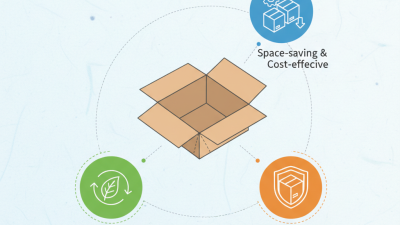
What Is a Foldable Paper Box and Why Use It?
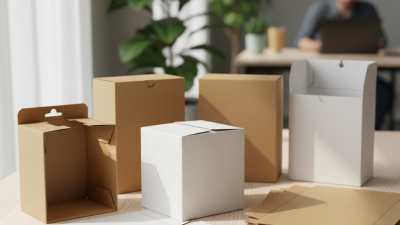
A Foldable Paper Box is a packaging container designed to be stored flat and assembled when needed. It usually comes from paperboard, recycled fiber, or coated kraft stock. Creased panels create the structure. Small locking tabs often replace glue.
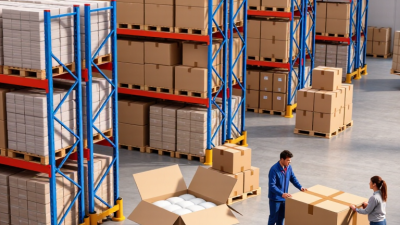
This design appears in retail, food service, shipping, cosmetics, and handmade products. A flat box can occupy far less warehouse space than a rigid container. That difference matters when thousands of units wait for seasonal demand. At a packing station, workers can open one box, fold the side panels, and secure the base in seconds. A printed surface can also display product details, handling guidance, brand colors, and recycling information.
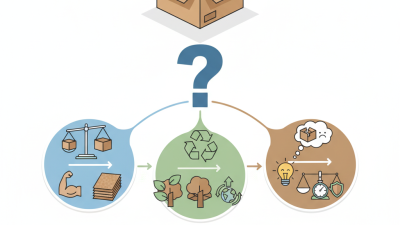
The benefits are practical, but they are not universal. A Foldable Paper Box can reduce storage volume and support efficient transport. Paper materials may also offer a more renewable alternative to some plastic packaging options. However, moisture, heavy contents, and rough handling can weaken ordinary paperboard. Material thickness, coating, closure style, and internal support must match the product.
Good packaging decisions come from testing, not appearance alone. A sample should hold the actual product during stacking, lifting, and delivery trials. Inspect crushed corners, loose tabs, and surface scuffing. The answer may be less obvious than expected. A cheaper box can create higher replacement costs if it fails in use. This guide examines how foldable paper boxes work, where they perform well, and which limitations deserve careful attention.
Definition and Basic Structure of a Foldable Paper Box
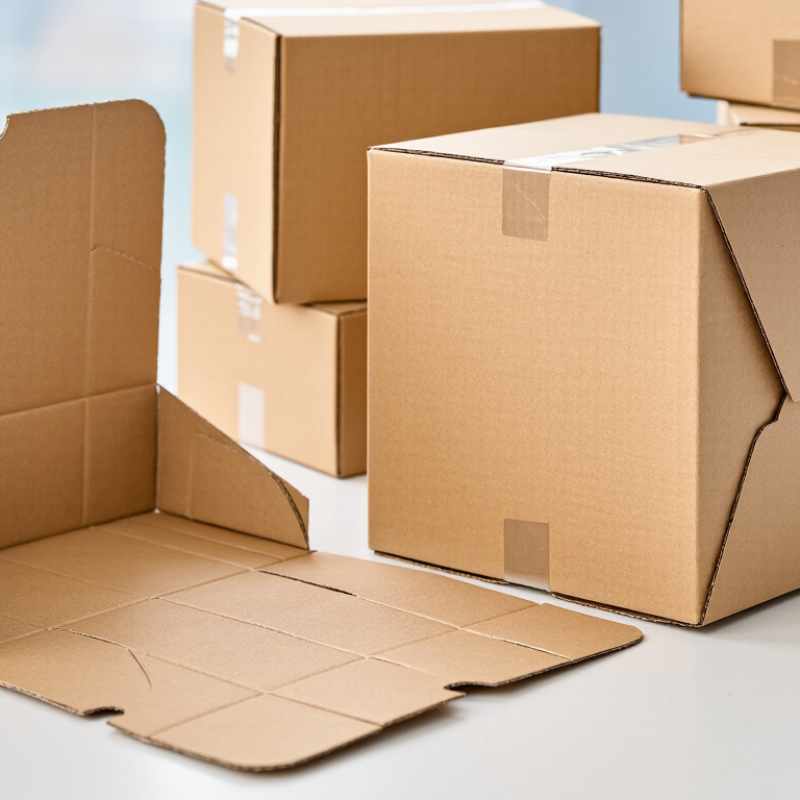
A foldable paper box is a container made from one flat sheet of paperboard. It becomes three-dimensional through scored folds, attached tabs, and locking points. Unlike a rigid box, it arrives flat and needs little storage space. The structure looks simple, but each line has a specific job.
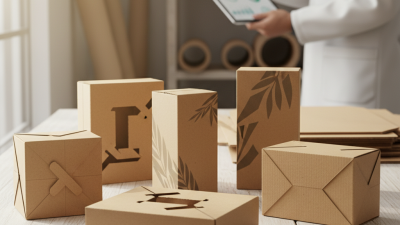
The main parts are the panels, crease lines, dust flaps, side tabs, base, and lid. The panels form the front, back, and side walls. Crease lines guide accurate folding without cutting through the board. Side tabs connect the walls, while dust flaps help close small gaps. The base carries the product’s weight. A tuck-in lid closes the top without extra hardware. Small details matter here.
In practical packaging work, I check the board thickness, fold direction, and tab width before assembly. A poor crease can crack the surface. A narrow tab may release during handling. The flat template must also match the product’s height and clearance. Too much space allows movement. Too little space causes pressure on the folds. It is easy to trust a clean drawing, but a sample can reveal problems that measurements miss. Humidity may soften paperboard, and repeated opening can weaken the locking area. For that reason, responsible development includes folding trials, load checks, and visual inspection under ordinary storage conditions. One design may look efficient, yet still feel awkward in use.
How a Foldable Paper Box Is Designed and Assembled
What Is a Foldable Paper Box and Why Use It?
A foldable paper box begins as a flat sheet, not a finished container. Its design uses a dieline, which shows panels, cutting edges, fold lines, and glue tabs. The designer measures the product carefully, allowing space for thickness and movement. A small error can make the lid too tight. That is why a paper prototype should be tested before production.
The assembly process follows the score lines. First, the cut sheet is folded gently to create clean edges. Side panels then meet the tabs, forming the box walls. A suitable adhesive secures the joints, while light pressure helps prevent lifting. The base usually needs accurate alignment because uneven corners can weaken the structure. In practice, the first sample may look acceptable but still collapse under weight. That result is useful. It shows where the design needs revision.
Tips: Test the empty box, then add the real product. Fold along scored lines, not random creases. Keep glue away from visible surfaces. Check the lid after the box fully dries. Slightly rounded corners may improve handling, although they can change the dieline. A simple template is easier to adjust than a decorative one. When the paper feels too thin, reinforce the base rather than adding unnecessary layers.
Common Applications Across Retail, Shipping, and Storage
A foldable paper box is a flat-packed container made from creased paperboard. It folds flat. It opens through scored panels, then closes with tuck flaps, tabs, or a simple locking fold. Its flat form saves shelf and warehouse space before assembly. In practical packaging work, that small difference can reduce handling time and storage volume. The material still needs matching to the product. Thin board suits light goods, while heavier items need stronger board and reinforced folds. Not every “eco-friendly” box performs well in damp conditions.
In retail, these boxes hold candles, stationery, cosmetics, small hardware, and gift items. A clean front panel can show product details without adding a separate display card. Retail staff can assemble units quickly during restocking. A tuck-top closure also makes the package easier to open without scissors. However, poor sizing leaves products rattling inside. That wastes material and can make a careful package look cheap. I would test the fit with real stock, not an empty sample. Fit matters.
For shipping, foldable boxes protect compact products while keeping unused cartons flat. Packers can add paper cushioning, seal the main seams, and apply a readable address label. The box should match the item’s weight, dimensions, and stacking conditions. A soft or overloaded carton may collapse during sorting or warehouse storage. In storage rooms, assembled boxes organize spare parts, documents, and seasonal inventory. Their uniform shape makes counting easier on metal shelving. Yet repeated opening can weaken paper tabs, especially when users pull them sharply. That limitation is easy to overlook. A small trial run often reveals more than a polished specification sheet.
What Is a Foldable Paper Box and Why Use It?
Example volume comparison across retail, shipping, and storage applications
Foldable paper boxes are supplied flat and assembled when needed. The example dimensions below show how flat-pack construction can reduce storage volume before use while providing practical packaging space after assembly. Values are calculated from the stated box dimensions; flat-pack volume uses an estimated 3 mm folded thickness.
Benefits and Limitations of Using Foldable Paper Boxes
A foldable paper box is a package made from scored paperboard that ships flat and forms into shape during packing. Its structure is simple, but its commercial value is practical. Flat-packed cartons reduce storage volume, freight space, and handling effort before assembly. They also offer a smooth surface for instructions, product information, and controlled visual design.
According to CEPI’s 2023 statistics, Europe’s paper recycling rate reached about 82.5%. Clean paperboard can therefore fit well within established recycling systems. Foldable boxes also use renewable fiber and usually weigh less than rigid alternatives. That can lower material use for lightweight products. Less bulk helps.
Limitations deserve equal attention.
Paperboard loses strength when exposed to moisture, oil, or condensation. Thin grades may crush under stacking pressure. Heavy products may need thicker board or internal supports. Coatings, laminations, and mixed materials can complicate recycling, despite the box appearing recyclable. The U.S. Environmental Protection Agency reported a 67.4% recycling rate for corrugated boxes in 2018, but that figure does not represent every paper package. Actual recovery depends on local collection systems and contamination levels. Assembly also needs labor or machinery, and rushed folding can leave weak corners. A small packaging trial is wise; attractive prototypes sometimes perform poorly after vibration, humidity, or repeated handling.