Top Tips for Choosing Paper Boxes for Packing Efficiently?
In the world of packaging, choosing the right materials is crucial. According to Mark Anderson, a leading expert in packaging solutions, "Efficient packing begins with understanding the qualities of your materials." This highlights the importance of selecting high-quality paper boxes for packing.
Paper boxes for packing come in various sizes and styles. Understanding your product’s dimensions is vital for efficiency. A well-fitted box can minimize movement during transit. This reduces the risk of damage. It's clear that not all paper boxes suit every product. That requires careful consideration.
Moreover, sustainability is a growing concern. Many brands now prioritize eco-friendly materials. Incorrect choices could lead to wasted resources. These decisions affect not only the bottom line but also the environment. Revisiting your approach to packaging can lead to improvements. Balancing aesthetics with functionality is key. Don't overlook the potential impact of your box choice.

Understanding the Purpose of Packaging in Product Safety and Presentation
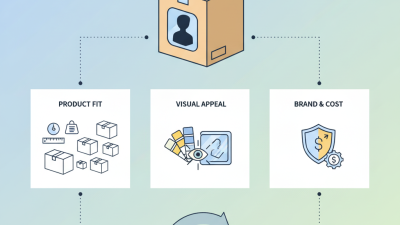
Packaging serves a critical role in product safety and presentation. Choosing the right paper box can protect items from damage during transit. It can also enhance the visual appeal of products. A sturdy box prevents breakage and ensures items are delivered in perfect condition. For instance, fragile items benefit greatly from strong, cushioned packaging.
In addition to safety, presentation is equally important. The design of the box can create a lasting impression on customers. A visually appealing package attracts attention on store shelves and online. Brands should consider the colors and graphics used on their boxes. Innovative packaging can communicate a brand's identity and values effectively. However, it is essential to balance aesthetics with functionality. Attractive boxes should not compromise the protective qualities of the packaging.
Reflecting on past experiences can help refine choices. Not all paper materials offer the same level of protection. Experimenting with different styles can lead to better results. Feedback from customers about packaging can guide improvements. Every detail matters, from the strength of the paper to the dimensions of the box. The goal is to create packaging that safeguards products while delighting customers visually.
Evaluating the Different Types of Paper Boxes for Various Packing Needs
When evaluating the different types of paper boxes, it's essential to consider your specific packing needs. According to a recent report by the Paper and Packaging Board, sustainable packaging is a growing trend, with 71% of consumers preferring companies that use eco-friendly materials. This highlights the importance of choosing paper boxes made from recycled materials. They not only support environmental responsibility but also provide adequate protection for your products.
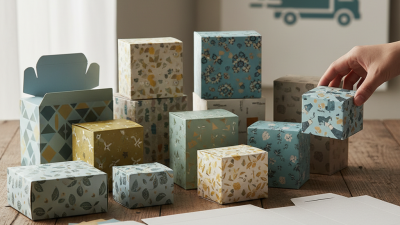
Different forms of paper boxes serve various purposes. For instance, corrugated boxes are ideal for shipping due to their strength and durability. They can withstand the rigors of transportation, reducing damage. On the other hand, folding cartons are better suited for retail packaging, offering aesthetic appeal and easy handling. Data from the Packaging Industry Association indicates that the right choice can enhance product visibility on the shelf, increasing sales by up to 20%.
However, the decision-making process can have its challenges. Not all paper boxes are created equal. Some may offer less durability than claimed, leading to potential issues in shipment. Additionally, cost considerations cannot be overlooked. Finding a balance between quality and budget is vital. Always seek reliable suppliers who adhere to industry standards for paper quality and box design. This ensures that your chosen packaging not only meets your needs but also supports your brand's values.
Factors to Consider When Selecting the Right Size for Paper Boxes
When selecting paper boxes for packing, size plays a crucial role. According to industry reports, about 30% of shipping damages result from improper packaging. Choosing the wrong box size can lead to product movement during transit. This movement increases the risk of damage. Ideally, your box should be snug but not overly tight. A snug fit minimizes shifting while providing adequate protection.
Consider the dimensions of your product carefully. It's important to measure length, width, and height. An industry survey shows that nearly 40% of businesses miscalculate dimensions, leading to wasted space and materials. For fragile items, a box with minimal extra space is necessary. In contrast, bulkier items may require additional cushioning to avoid damage.
Additionally, think about stacking and storage. A box that fits well on a pallet can save shipping costs. But if it's too small, you may need multiple boxes. This can complicate handling and increase packaging waste. Reflect on your packaging process. Regularly evaluate your choices to improve efficiency and reduce costs. The right box size not only protects your products but also enhances customer satisfaction.
Top Tips for Choosing Paper Boxes for Packing Efficiently
The Importance of Material Quality in Paper Box Durability
When selecting paper boxes for packing, material quality plays a crucial role in durability. Boxes made from high-quality material resist wear and tear better. They hold weight effectively and safeguard the contents from damage. Choosing the right paper thickness is key too. Thicker paper generally provides more support, but balancing strength with weight is essential.
Consider some tips when assessing paper boxes. Always check for certifications that indicate sustainability and strength. Recycled materials can be durable if processed correctly. Look for boxes with proper seam construction. A poorly sealed box may compromise content safety. Furthermore, test the box strength by applying slight pressure; this can reveal hidden flaws.
Durability is also affected by environmental conditions. Boxes exposed to humidity can weaken over time. If your products are sensitive to moisture, opt for moisture-resistant paper. Be mindful of storage conditions, ensuring that boxes are kept in dry areas. Reflect on past experiences; sometimes, a leftover box that seemed fine became a weak link during transport. Prioritize quality in your packaging choices for effective protection and reliability.
Tips for Eco-Friendly Choices in Paper Box Packaging Solutions
Choosing eco-friendly paper boxes for packaging is crucial in today’s sustainable landscape. Many businesses now prioritize materials that reduce environmental impact. It’s essential to analyze the source of the paper. Recycled paper boxes often use less energy and water compared to new paper. This choice not only benefits the planet but also adds to a brand’s credibility.
Moreover, consider the box design. Lightweight options minimize waste during transportation. Adding biodegradable materials can enhance the environmental friendliness of the packaging. Some companies even experiment with natural inks. These innovations reduce harmful chemicals, which is a step towards better sustainability.
However, there are pitfalls to avoid. Not all recycled materials are created equal. Sometimes, lower quality can compromise box strength. Assess the balance between durability and eco-friendliness. As we strive for perfection in sustainable choices, continuous reflection on our practices remains vital. Every decision impacts the environment, and that responsibility should guide us.
Top Tips for Choosing Paper Boxes for Packing Efficiently - Tips for Eco-Friendly Choices in Paper Box Packaging Solutions
| Dimensional (cm) |
Material Type |
Weight Capacity (kg) |
Eco-Friendliness Level |
Suitable for |
| 30 x 20 x 10 |
Recycled Kraft Paper |
5 |
High |
E-commerce |
| 40 x 30 x 15 |
Bamboo Paper |
8 |
Very High |
Gift Packing |
| 25 x 15 x 8 |
Sustainable Cardboard |
3 |
Moderate |
Food Items |
| 50 x 40 x 20 |
Biodegradable Paper |
10 |
High |
Clothing |
| 35 x 25 x 10 |
Recyclable Paperboard |
6 |
High |
Household Products |